Heatwaves graduate to macro risk as wildfires ravage France and Spain
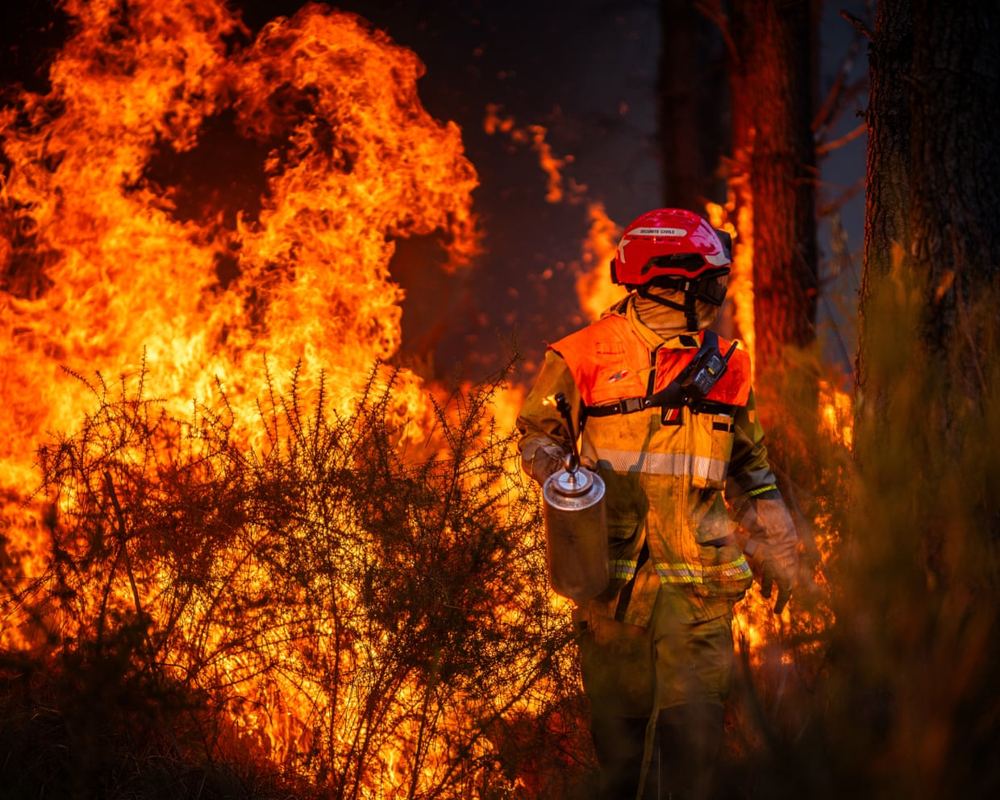
Raging wildfires in France and Spain are underscoring how extreme summer heat has shifted from a seasonal inconvenience to a persistent drag on European growth and public finances.
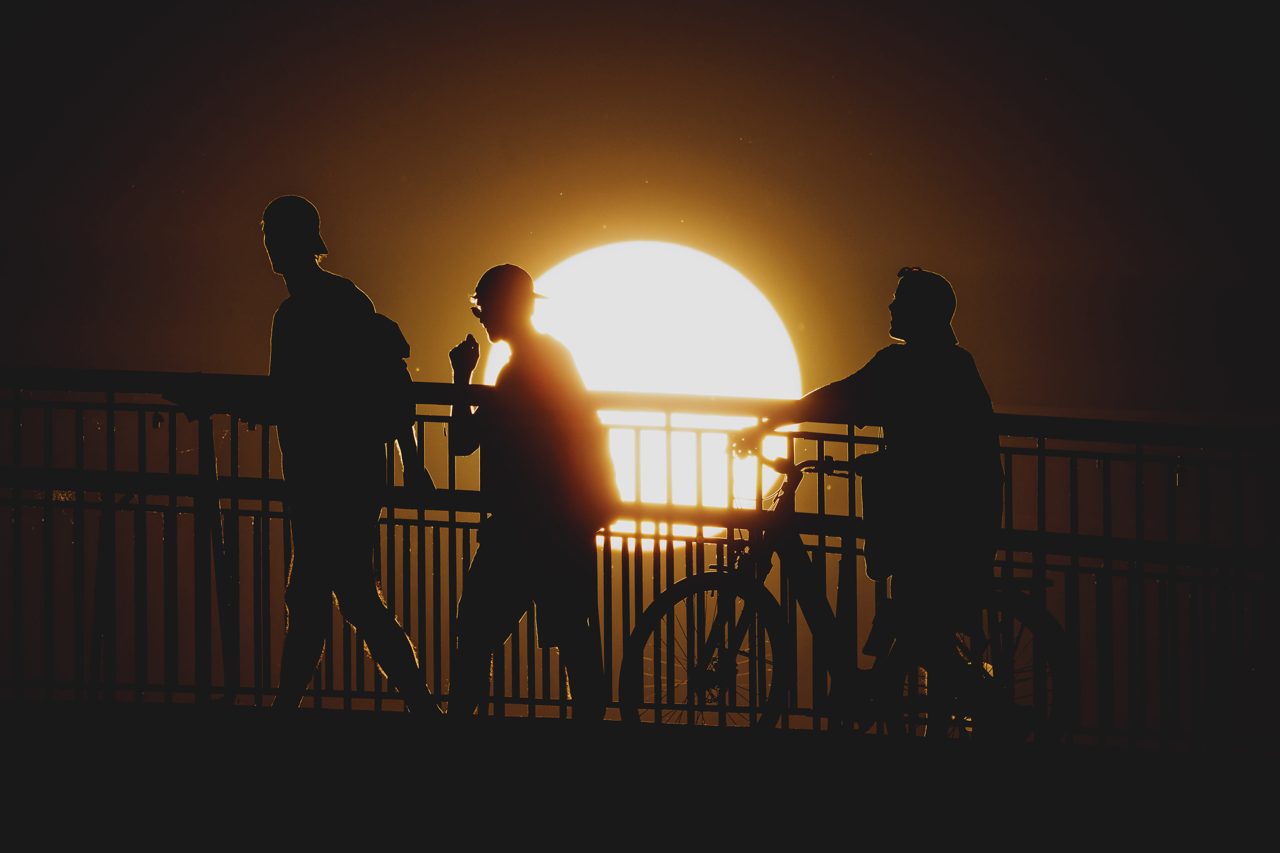
Blazes have consumed 300,000 acres and forced 300,000 people to flee across France and Spain. These fires arrive during Western Europe’s third heatwave in six weeks, capping off a June that the World Meteorological Organization confirmed as the region's hottest on record.
The immediate devastation carries severe local consequences. French Finance Minister Roland Lescure called the fires "like a clap of thunder" for the regional economy. However, economists warn the burning forests represent a much wider structural threat to the continent's financial stability.
A joint paper this year from the European Central Bank and the University of Mannheim found that heatwaves, droughts, and floods during the summer of 2025 stripped 0.3% from European economic output. If current trends hold, the researchers project accumulated damage could reach 0.8% by 2029 due to lost productivity, broken supply chains, and weaker tourism revenue.
"The uncomfortable truth is that heatwaves have quietly graduated from 'weather event' to 'macro variable,'" noted Carsten Brzeski, ING's global head of macro, in a recent report. The mounting costs now span healthcare, emergency infrastructure, transportation, and the massive energy demands of cooling.
Agricultural commodities like cocoa, coffee, and wheat are expected to take a heavy hit as volatile weather threatens crop yields and pushes up food prices. The insurance sector is already feeling the strain, with Allianz Commercial reporting that wildfire payouts jumped to $56.3 billion in the 2010s, a sixfold increase from the previous decade.
The fiscal burden on governments is also escalating. Georg Zachmann, a senior fellow at Bruegel, pointed out that random disasters cause inflation by driving up prices and increasing future risk premiums for rebuilding. "This is really a big economic challenge," Zachmann said.
The physical vulnerability of the continent is partly a product of historical land management. Stefan Doerr, a professor of wildland fire science at Swansea University, explained that decades of agricultural land abandonment have left southern Europe with dense, highly flammable vegetation. "This is man-made," he said. "It's not that the plants are not natural, but the way the landscape looks now is entirely artificial."
As temperatures continue to climb, the window for preventative action is narrowing. "We need really to do everything we can do to make sure that our systems are adapted early on, as much as possible, and the speed of climate change is slowed down as much as possible, so that we don't get into a situation where our absorptive capacity for such risks is not exceeded," Zachmann warned.