Gulf Med lands 77.5m euro Portuguese emergency helicopter deal
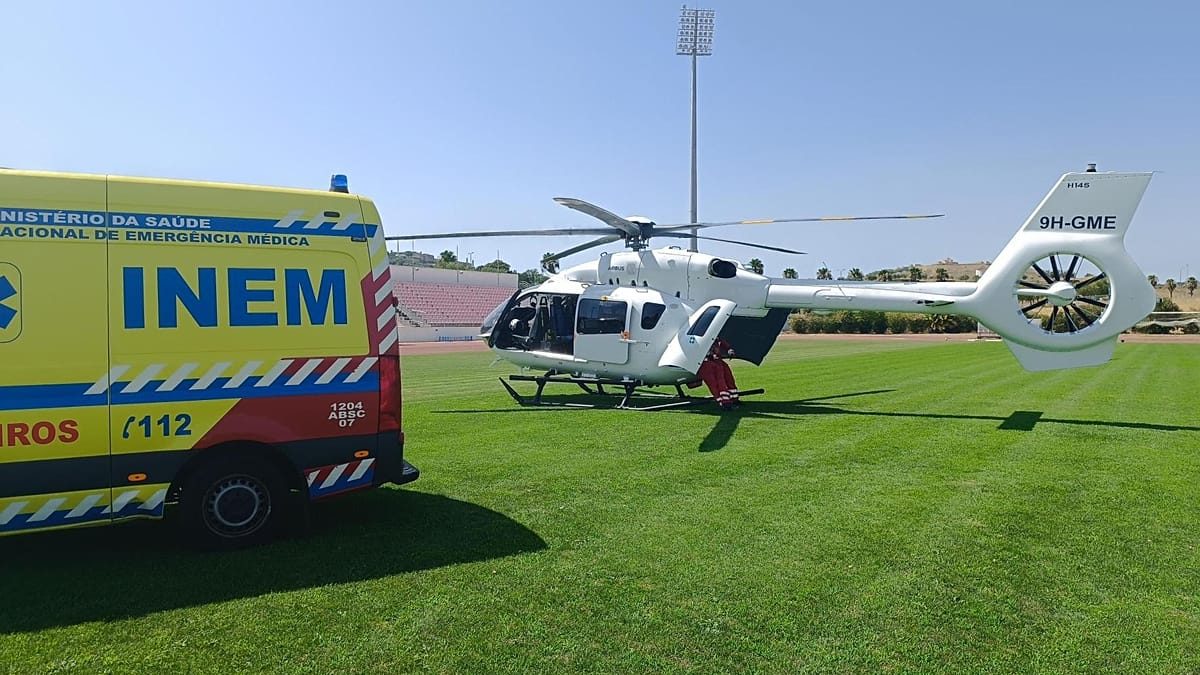
A Malta-based aviation firm has secured a five-year, 77.5 million euro contract to run Portugal's state emergency air ambulance network, shifting the costs of modernizing a critical public service to the private sector.
A subsidiary of Malta-based Medilink has taken over Portugal's emergency medical helicopter service under a five-year contract worth more than 77 million euros. Gulf Med Aviation Services began operating the network in July 2025, initially under a smaller four million euro direct award before winning the full 77.5 million euro international public tender that runs until mid-2030.
To meet the demands of the state-funded service, Gulf Med has invested around 50 million euros in its Portuguese fleet. The company operates four Airbus H145 D3 helicopters around the clock from permanent bases in Loulé, Évora, Viseu and Macedo de Cavaleiros. A fifth aircraft was added in April 2026 to serve as a backup during maintenance periods, ensuring the public system avoids operational downtime.
Outsourcing critical emergency infrastructure requires strict performance metrics. Gulf Med maintains an average response time of three minutes from alert to take-off. "Response time in medical emergencies is the critical factor for success. We are currently operating at an excellent level, within three minutes," explains Hugo Chambel, Gulf Med's director for the Iberian Peninsula.
The operator has also made changing the service's operational profile a priority, focusing resources on unpredictable primary incident responses rather than planned hospital transfers. "One of our first objectives was to change the mission profile. We now carry out more primary missions than secondary ones," notes Chambel. Data from the Évora base illustrates this shift, with 160 of its roughly 230 missions this year classified as primary incidents.
The choice of aircraft supports this pivot to rapid, unprompted deployments. The H145 D3 model is fitted with skis rather than wheels, allowing it to reach remote inland areas where ground ambulances face significant delays. "They are able to land practically anywhere: on a road, an estate or in places where there is very limited space for landing," Chambel says.
On board, INEM doctors and nurses operate specialized equipment to stabilize patients before flights to destination hospitals. The service handles advanced procedures, including ECMO transport for critically ill patients dependent on mechanical cardiopulmonary support. "We then assess, stabilise and decide, in contact with the control centre, where to transport the patient," says Leila Duarte, an INEM internal and emergency medicine doctor.
For Portugal's public health system, the arrangement shifts the heavy capital burden of maintaining a 24-hour airborne intensive care fleet to a private entity. Gulf Med assumes the financial and logistical risks of keeping the state-funded network operational across the country's most difficult terrain.