Serbia tops European road death rankings as safety progress stalls in tourist hubs
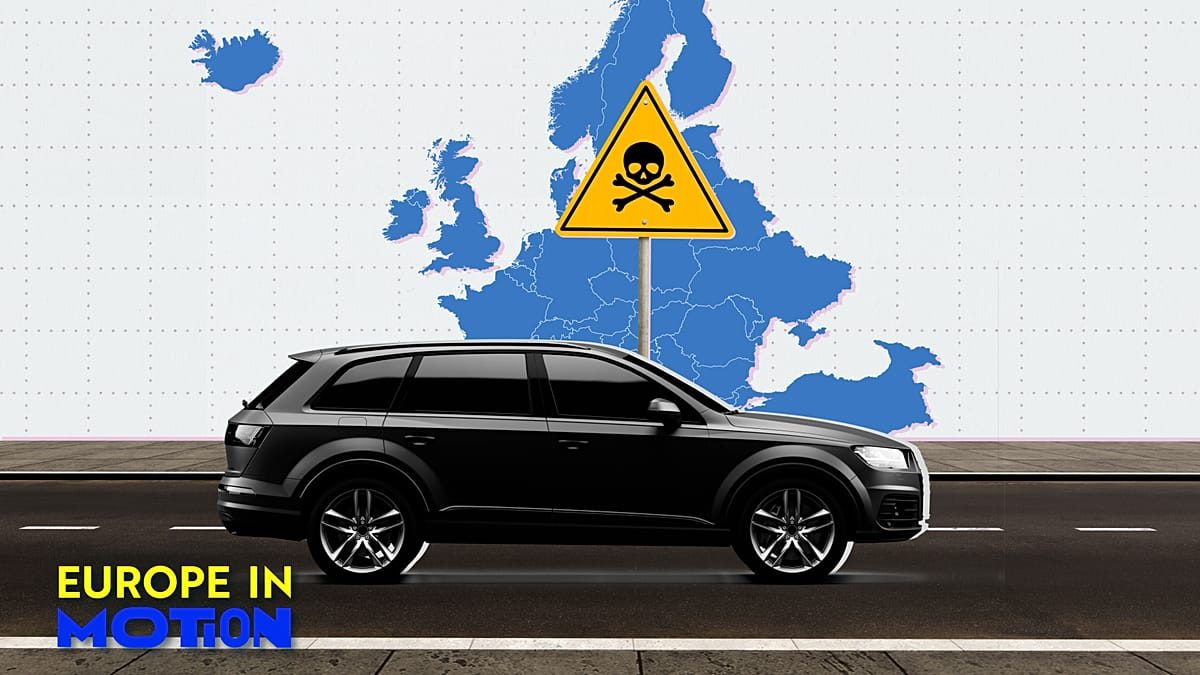
A new study reveals Serbia, Bulgaria and Romania as Europe's deadliest driving nations while safety improvements stall in key tourist economies, highlighting a persistent divide in continental infrastructure and public health outcomes.
Serbia remains the most dangerous European nation for motorists, recording 74 road deaths per million inhabitants. The figure places the country 72 percent above the bloc average for the second consecutive year, according to data published by Vignette Switzerland.
Bulgaria and Romania follow closely behind in the rankings, with 71 and 68 fatalities per million people respectively. Despite topping the list, Serbia's latest mortality figures represent a slight decrease from the previous year.
The safety deficit extends into several major holiday destinations, with Portugal, Greece, Italy and France all appearing in the top ten most lethal driving environments. This geographic spread of high mortality rates poses ongoing challenges for the continent's tourism and logistics sectors, which rely heavily on cross-border vehicular transit during the peak summer season.
At the opposite end of the spectrum, Nordic nations continue to set the standard for vehicular safety. Norway and Sweden share the top position for the lowest mortality rates, each recording just 19 deaths per million residents.
This nearly fourfold difference in fatality rates between the safest and most dangerous nations underscores a deep divergence in European infrastructure quality and regulatory enforcement. For investors and public authorities, the data highlights where capital allocation for transport networks and safety technology remains critically underdeveloped compared to the Nordic benchmark.
The research was compiled by Vignette Switzerland, an enterprise that sells digital road toll passes. The resulting dataset provides a clear metric for evaluating how national traffic safety standards fluctuate across borders, offering a vital benchmark for public health and infrastructure planning.
Long-term data shows that some nations are successfully closing this gap. Lithuania has driven a 43 percent reduction in road deaths over the past decade, while Latvia, Bulgaria, Greece and Hungary have also achieved significant declines ranging from 30 to 37 percent.
Conversely, momentum has largely flatlined in other prominent travel economies. Portugal has seen a mere 1 percent drop in fatalities since 2015, and France has managed only a 6 percent reduction over the same timeframe.
Analysts advise motorists planning summer itineraries to review regional traffic regulations and map out their journeys in advance. Maintaining high alertness on unfamiliar routes remains the primary recommendation for mitigating personal risk across the continent's varied road networks.