Suspected Russian Missile Crashes in Eastern Poland During Ukraine Attack
A suspected Russian cruise missile struck an empty field in eastern Poland overnight, underscoring the persistent strain on NATO’s eastern air defences and the escalating risks to regional security.
A suspected Russian Kh-101 cruise missile crashed in a field in eastern Poland’s Lublin province overnight during a massive Russian attack on western Ukraine. Prime Minister Donald Tusk confirmed the airspace violation, noting that the object landed approximately 100 kilometres from the Ukrainian border and caused no casualties.
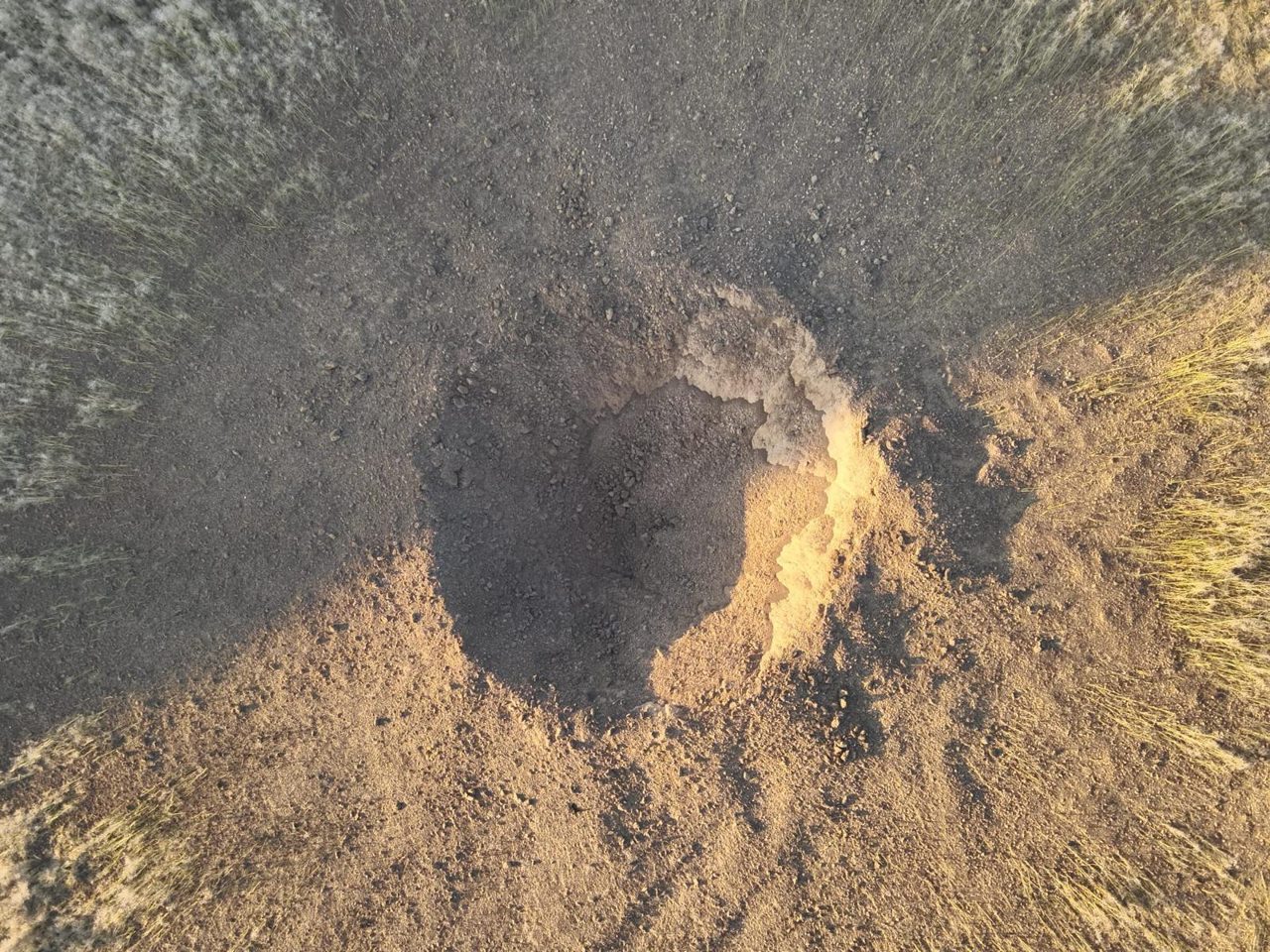
The impact left a crater roughly 10 metres wide and five metres deep, scattering fragments across a 200-metre area between Tarnawa-Kolonia and Tokary. Local police and counter-terrorism units secured the site, which was situated about two kilometres from the nearest buildings.
Poland’s Armed Forces Operational Command detected the object entering Polish airspace at 3:40 a.m. and dispatched an F-16 fighter jet to intercept it. The object disappeared from radar six minutes later, and an Mi-24 helicopter subsequently located the crash site.
Tusk praised the rapid response of Polish and allied forces, noting that military assets were prepared to shoot down the object had it posed a direct threat. He emphasised that investigators must establish absolute certainty regarding the incident. "We will want to be 100% certain: what kind of missile, who launched it, whether it was the explosion of the payload or the impact of the missile itself that caused this crater," he stated.
Defence Minister Władysław Kosiniak-Kamysz described the night as extremely difficult for surveillance and threat detection systems. He confirmed that Polish F-16s had been patrolling the border since 2 a.m., supported by reconnaissance and allied aerial refuelling aircraft deployed from Germany.
This incident reinforces the urgent demand for advanced air defence infrastructure across Europe’s eastern flank, directly impacting regional defence markets. Poland has already committed to a new anti-drone system designed to protect its borders, signaling sustained government defence spending. This trajectory offers growing, predictable revenue opportunities for European aerospace and security contractors as NATO allies accelerate capability upgrades.
Domestically, the event sparked debate over public communication protocols. An early warning alarm sounded for 13 minutes in Lublin, drawing criticism from opposition lawmakers over a lack of detailed public alerts or text messages.
Digital affairs minister Krzysztof Gawkowski defended the siren activation as a necessary precaution against potential civilian harm. The event echoes previous airspace violations, including a deadly 2022 missile strike in Przewodów and repeated drone incursions last year.