Danube drought forces nuclear shutdowns and threatens Central European power grids
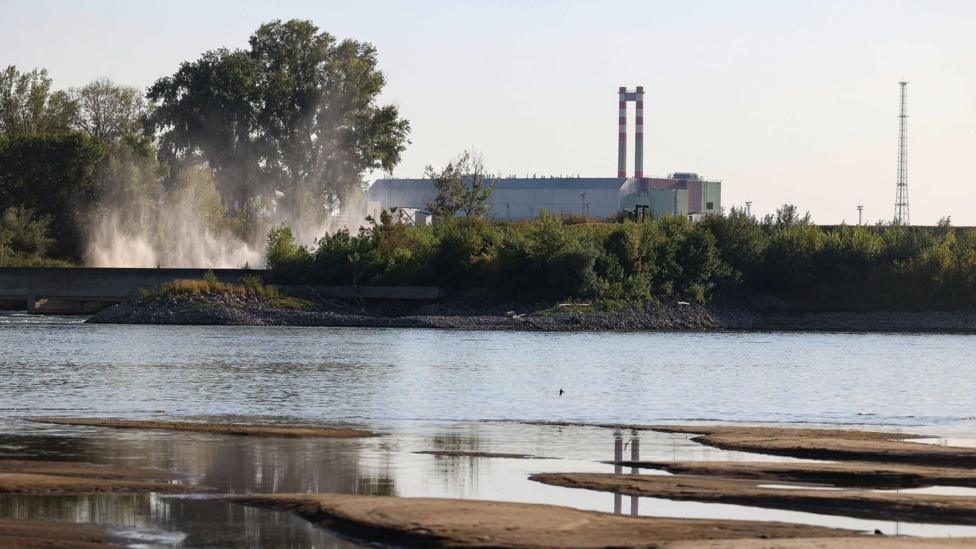
Record low water levels in the River Danube have triggered the unprecedented closure of nuclear reactors in Hungary and Romania, exposing the region's energy infrastructure to severe climate-driven vulnerabilities.
Hungary’s sole nuclear power plant at Paks is shutting down completely for the first time as record low Danube water levels prevent its cooling system from functioning. Prime Minister Péter Magyar warned that the country’s energy supply could become critical from Monday, compounded by a week-long heatwave with temperatures near 37C.
The energy shock extends to neighbouring Romania, where state-owned Nuclearelectrica has already halted one of the two 706-megawatt reactors at the Cernavoda plant. This facility supplies roughly 20 percent of the nation's electricity, and officials are scrambling to prevent the second reactor from closing on Thursday, which would leave the country temporarily without nuclear generation.
These simultaneous shutdowns highlight a growing vulnerability in Europe’s baseload power supply. Magyar has urged citizens to curb electricity use between 17:00 and 22:00, warning that a rotational shutdown regime may be implemented. The government is now compiling a list of major electricity and water consumers whose usage could be forcibly restricted to maintain grid balance.
The hydrological data underscores the severity of the crisis. Romania’s National Institute of Hydrology recorded the Danube’s flow at just 1,600 cubic metres per second this week, less than a third of the July average of 4,700 cubic metres per second, with further declines expected.
The drought is also paralyzing river commerce and transport across the 2,857-kilometre waterway. Shipping has ground to a halt in Bulgaria, where border police recently evacuated 186 passengers from the grounded Viking Ullur cruise ship near Vidin. While initial reports suggested the vessel lacked provisions, Viking stated that sufficient supplies remained available throughout the incident.
The receding waters have exposed historical artifacts, including a sunken Hungarian cargo ship in Croatia and mammoth remains in Bulgaria. Ivan Zhekov, head of river supervision at Bulgaria’s maritime administration, noted that there has certainly not been a similar situation since 1990.
Serbian hydrologist Dejan Vladiković attributes the 50- to 60-year low levels to a combination of high temperatures and deficient spring rainfall, with no improvement expected until mid-September. This aligns with data from the Copernicus climate service, which notes Europe is heating twice as fast as the global average, intensifying pressure on water resources across the continent.