French wildfires force 260,000 evacuations amid political climate deadlock
As severe blazes displace hundreds of thousands and strain emergency budgets, France’s political class remains focused on short-term electioneering rather than long-term climate adaptation, risking the country's economic resilience and EU green targets.
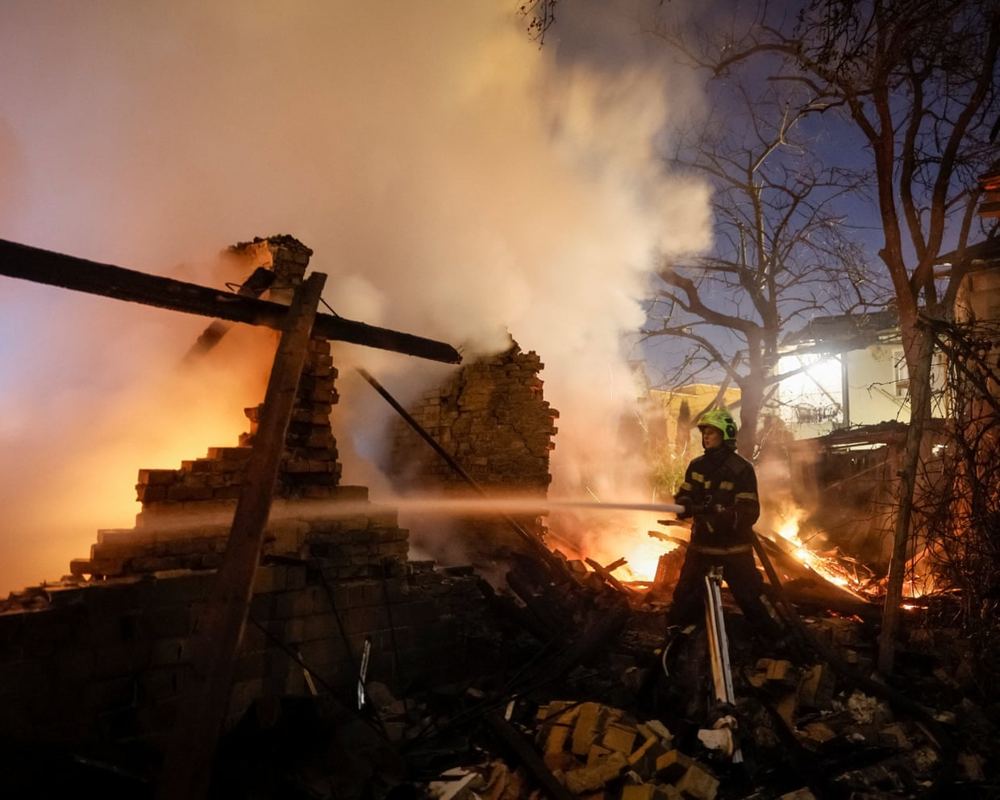
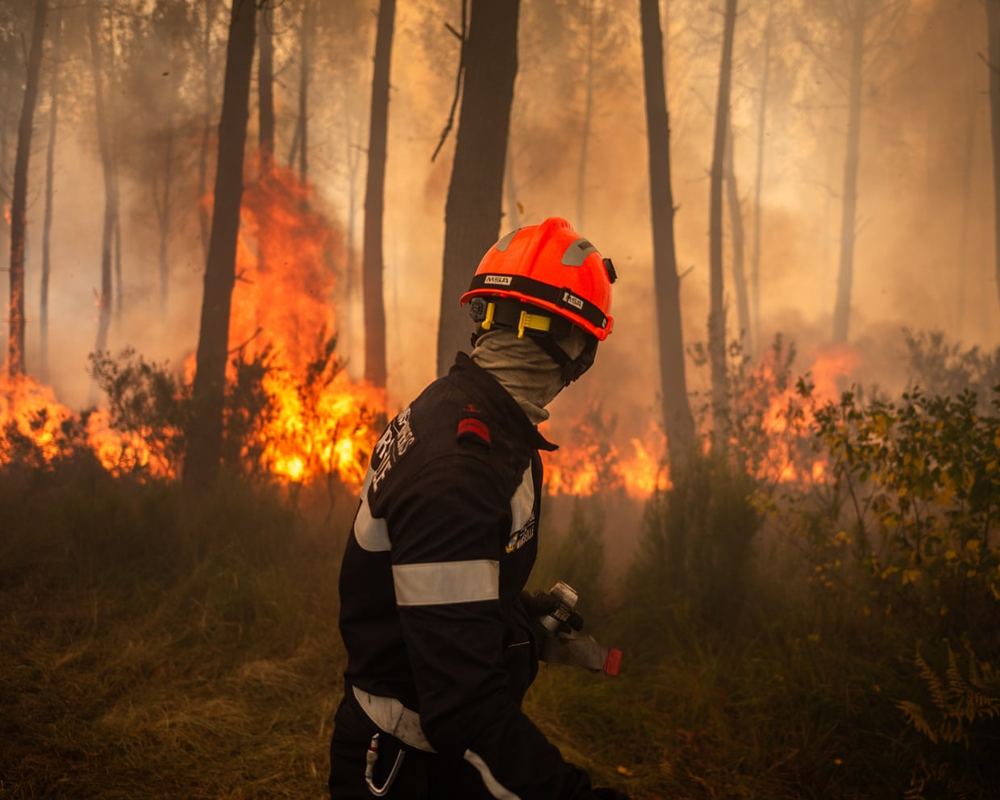
Dozens of forest wildfires are currently burning across France during the country’s fourth heatwave of the summer, forcing the evacuation of approximately 260,000 people. A massive blaze in the Gironde region alone has scorched an area four times the size of Paris, compounding severe air pollution.
The immediate economic toll is mounting as the state diverts funds toward crisis management and emergency services. Politicians are heavily debating budgets and the alleged underfunding of firefighting equipment, including water-bombing planes, rather than addressing the structural costs of climate change.
President Emmanuel Macron, whose decade in office ends next spring, described the blazes as the hardest situation since the second world war and a totally atypical event. However, he stated it is not the time to analyze lessons learned while the country remains in full battle, effectively dismissing immediate policy reviews.
Green party leader Marine Tondelier accused the government of ignoring her calls for cross-party crisis talks to declare a national climate state of emergency. Tondelier, who had to cut short a campaign tour on medical advice due to smoke inhalation risks at seven months pregnant, is demanding a new climate welfare state to support affected citizens.
The political deadlock carries significant implications for European investors and the EU’s green deal, which aims for carbon neutrality by 2050. Far-right leader Marine Le Pen, who has a strong chance of reaching the presidential final round, previously opposed the EU framework and called UN climate panels alarmist.
While her National Rally party focuses on the heroism of firefighters and state underfunding, key figures are now stressing they are not climate deniers. Le Pen stated in 2022 that she had "never been a climate sceptic", though some party politicians have previously questioned the role of human activity in climate heating.
On the radical left, Jean-Luc Mélenchon has proposed reorganizing French regions into eco-regions to secure water supplies and manage environmental risks. However, the majority of political factions will wait until the winter to clarify their complete election manifestos and environmental policies.
Campaigners fear the immediate media focus on the fires will fade before voters head to the polls. Rémi Lefebvre, a political science professor at the University of Lille, noted that French politics remains too short-termist to fundamentally change societal models, leaving the public feeling powerless in the face of predictable climate shifts.