Spanish authorities request military support after thousands cross into Ceuta
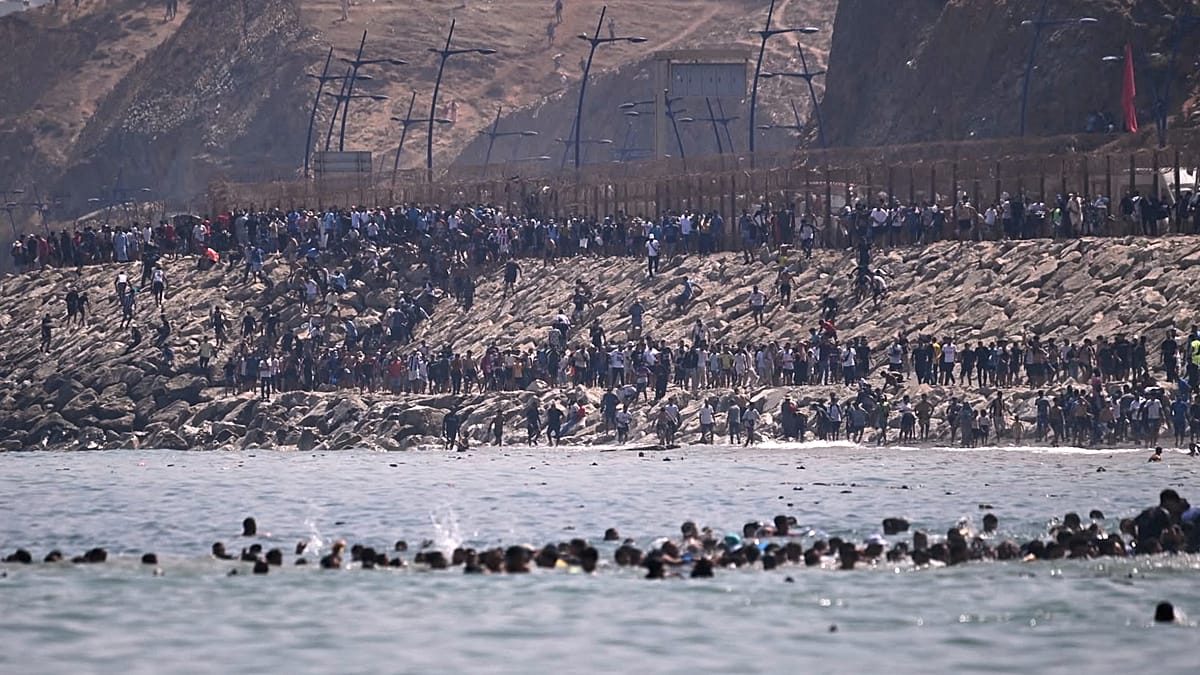
A massive border crossing into Spain’s North African enclave has triggered emergency measures, testing local capacities and prompting European action on migrant repatriation.
Thousands of migrants have crossed the border into the Spanish North African enclave of Ceuta from Morocco. The sudden mass movement has prompted local authorities to formally request a national emergency and military support to secure the area.
The immediate mobilization of military resources highlights the severe strain on local public order and border management infrastructure. Regional officials are relying on national intervention to manage reception capacities and restore operational control at the enclave's perimeter.
Strain on Public Resources
The deployment of military support represents a significant allocation of state resources during a crisis. When local authorities declare a need for national emergency measures, it signals that municipal capacities and civilian personnel are overwhelmed by the logistical demands of processing thousands of individuals. This escalation demonstrates the immediate pressure placed on domestic security apparatuses when border controls are breached on such a large scale.
For European public life and governance, incidents of this scale test the resilience of regional border frameworks. They inevitably draw scrutiny toward the adequacy of existing bilateral security arrangements and the speed of national crisis response mechanisms. Such events frequently influence broader political debates regarding migration policy and the distribution of responsibility among member states.
European Repatriation Policy
The European Union has indicated its policy direction regarding the demographics affected by such crossings. It explicitly supports the repatriation of unaccompanied migrant minors from Ceuta to Morocco.
This specific focus on minors reflects ongoing efforts to manage return mechanisms following sudden border surges. The European stance indicates a prioritization of structured repatriation protocols for vulnerable demographics in the region.
The reliance on military intervention underscores the operational limits of civilian border authorities during mass influx events. As the national emergency request is processed, the situation will remain a focal point for discussions on European border resilience and resource allocation.