Rail travel sustains regional craft economies across Europe
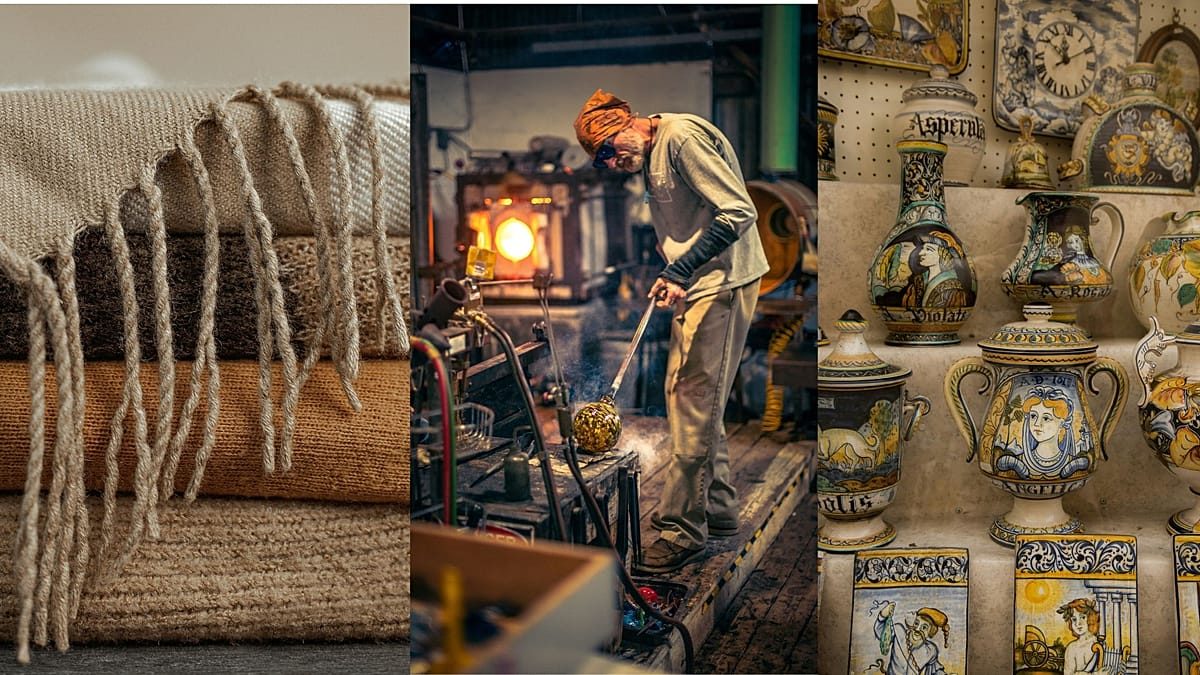
Europe’s extensive railway network is increasingly channeling tourism revenue into regional municipalities, helping sustain heritage manufacturing sectors from Italian ceramics to Czech glassmaking.
Europe’s rail network is expanding its economic footprint beyond major metropolitan hubs by connecting travellers directly to regional craft centres. According to the booking platform Rail Europe, ancient manufacturing skills in Italy, France, Czechia and Germany are being sustained in part by railway-linked tourism.
This trend highlights a shift in local economic development, where heritage industries leverage transport infrastructure to attract niche visitor spending. By bypassing saturated urban destinations, smaller towns are converting traditional workshops into viable contemporary creative industries.
Regional manufacturing hubs
In Italy’s Emilia-Romagna region, Faenza remains a major European ceramic centre. The city, which gave its name to the glazed earthenware known internationally as faience, hosts the International Museum of Ceramics alongside active studios and schools. Travellers can reach the city by rail via Bologna, offering an economic alternative to the standard Venice-Florence-Rome corridor.
Similarly, Thiers in the Auvergne-Rhône-Alpes region has relied on knife-making since the Middle Ages. Generations of artisans in its river valleys continue to forge, polish and assemble blades using traditional methods. The town is accessible by train via Clermont-Ferrand, which maintains direct links to Paris and Lyon, facilitating steady visitor flow to its Musée de la Coutellerie and local makers.
In northern Czechia, Nový Bor demonstrates how heritage glassmaking functions as both a cultural legacy and a modern industry. The town’s producers are recognised for technical precision in blowing, cutting and engraving molten glass. Direct rail access from Prague allows this delicate manufacturing sector to showcase its processes to an international audience.
Germany’s northern coast offers a contemporary variation on this model through natural fibre craftsmanship. In Tönning, Schleswig-Holstein, the workshop Friesenfaser transforms local Nordfriesland materials into wool blankets and household goods. Reached by train via Husum, with connections to Hamburg and Westerland, the project represents a slow production method tied directly to the regional landscape.
For regional economies, these rail connections provide a crucial buffer against the decline of traditional manufacturing. By integrating heritage skills with accessible public transport, these towns secure a sustainable market for artisanal goods in the modern European economy.