Bank of England holds rates at 3.75% as inflation risks prompt dissenting votes
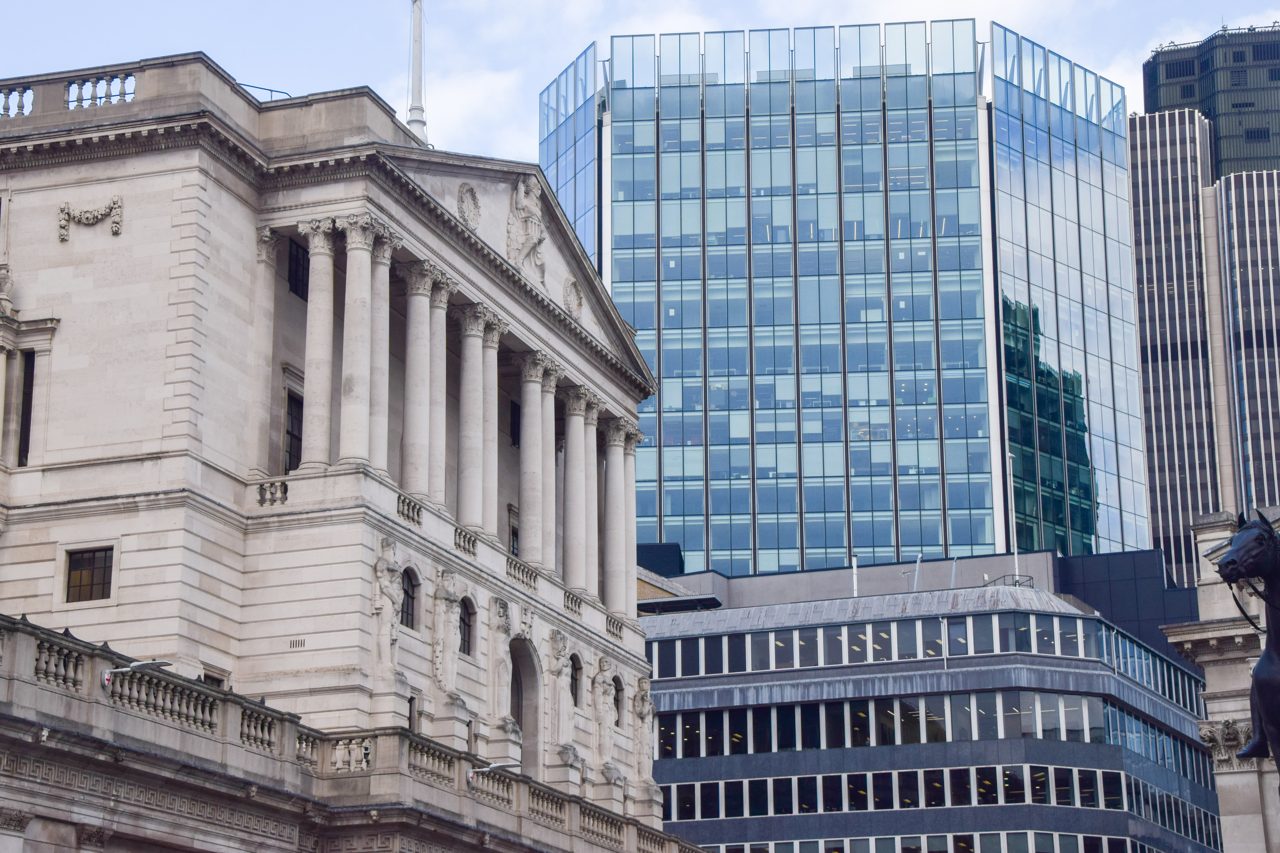
The Bank of England kept its benchmark interest rate unchanged, but a growing minority of policymakers pushing for a hike signals lingering concerns over energy and supply-driven inflation across the UK economy.
The Bank of England has kept its benchmark interest rate unchanged at 3.75%, aligning with market expectations. However, the decision revealed deepening divisions within the Monetary Policy Committee, which voted 6-3 to hold the rate steady.
Committee members Megan Greene, Huw Pill and Catherine Mann dissented, advocating for a 25 basis point increase. Their dissent highlights growing anxiety that inflationary pressures may not be fully contained despite recent improvements.
The decision to hold followed a drop in headline UK inflation to 2.6% in June, marking a 15-month low. Yet, all committee members agreed that risks to the trajectory of energy prices remain skewed to the upside.
Megan Greene pointed out that inflation has persisted above the target for approximately five years. She warned that new supply risks, including a second energy chokepoint in the Red Sea and AI-related hardware constraints, are now weighing on markets. "A proactive hike in Bank Rate may reduce the probability that second-round effects set in," Greene stated.
Huw Pill echoed these concerns, emphasizing the difficulty of managing the economy under current conditions. He warned that "profound uncertainty surrounding the energy price outlook is likely to be prolonged and of unknown duration, rendering efforts to fine-tune the economy with monetary policy hazardous."
Pill argued that raising the rate now would cut through commodity market noise. This would send a clear signal of the bank's willingness to address upside inflation risks stemming from events in the Gulf.
Following the announcement, the pound edged up 0.08% against the dollar to trade at $1.3376. The currency's modest gain reflects the market's digestion of a more cautious stance from the central bank.
Felix Feather, an economist at Aberdeen, noted that the rise in dissenting votes from two to three indicates spreading concern over inflation risks within the committee. He described the decision as a "slightly more hawkish Bank of England hold than expected," which raises the likelihood of rate hikes if inflation does not ease further.
Conversely, Simon Dangoor, deputy chief investment officer of fixed income at Goldman Sachs Asset Management, suggested the central bank is content to wait for now. He noted that encouraging inflation data currently lessens the need for immediate intervention.
However, Dangoor cautioned that external factors could quickly alter this stance. "A persistent Middle East shock could change the calculus, however, keeping a September meeting live," he said.