Record wildfires across Southern Europe force mass evacuations and disrupt economies
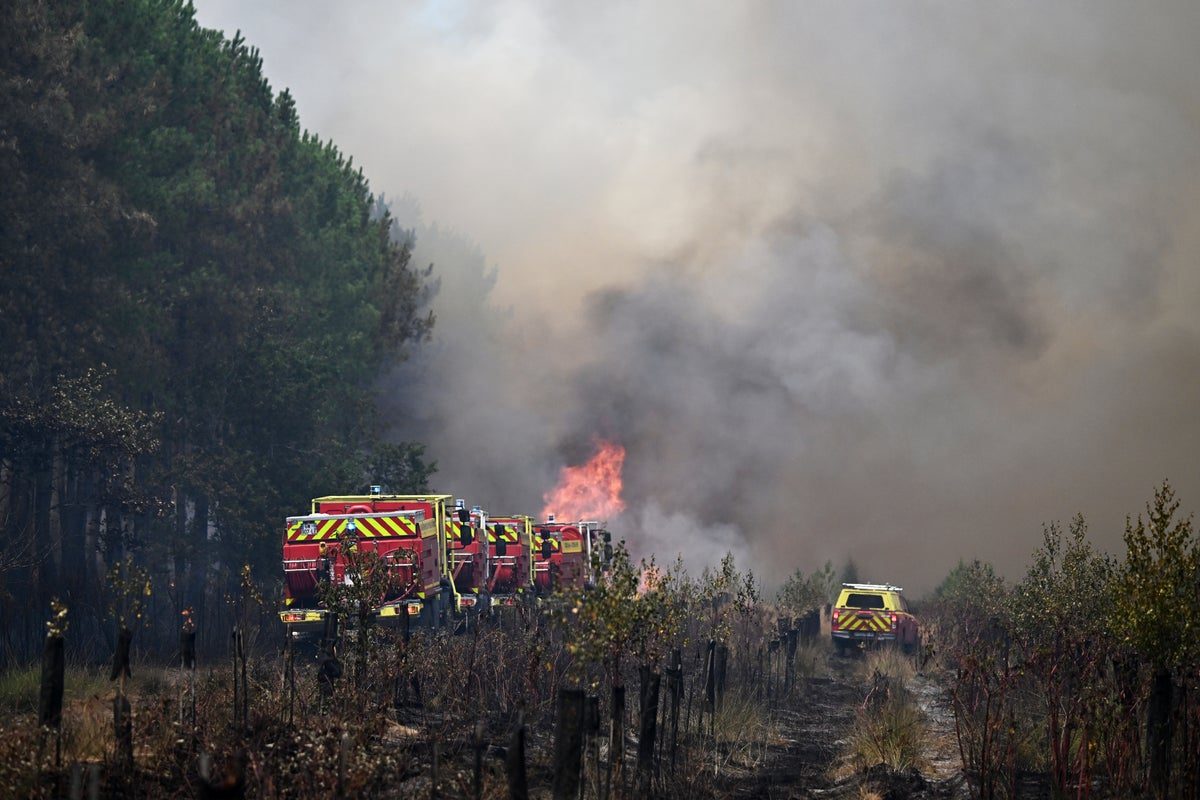
Unprecedented wildfires across Greece, France, and Spain have forced hundreds of thousands to flee, straining public resources and threatening regional tourism and business sectors.
A severe wave of wildfires has swept across Southern Europe, forcing the evacuation of hundreds of thousands of residents and holidaymakers. The blazes have claimed multiple lives, including three firefighters in Greece, and prompted emergency declarations across the continent.
In Greece, Prime Minister Kyriakos Mitsotakis warned of difficult days ahead as fires raged on multiple fronts. On the island of Paros, approximately ten villages were evacuated after a blaze erupted near a landfill and spread across the southern and southeastern areas.
The human cost has been severe, with two firefighters dying in Crete after being trapped between fire fronts, and a third pronounced dead near the Peloponnese port town of Gytheio. The crisis directly threatens the vital summer tourism sector, with seasonal worker Lia Galata describing a chaotic boat evacuation from a Crete resort, stating, "I didn't know if I was going to die from the fire or the ash, or from drowning in the sea."
France is confronting its worst wildfire disaster since the Second World War, according to President Emmanuel Macron. The burned area is already 40 per cent larger than the previous record year, surpassing any destruction seen in the country since 2006.
The economic disruption is substantial, though thousands of businesses that briefly suspended operations are now gradually reopening. A key motorway is scheduled to fully reopen, but officials note that air quality deterioration has necessitated the distribution of 1.5 million face masks.
Local resources remain stretched thin, forcing residents to step in where official capacities fall short. In Lanton, local pastry chef Jonathan Segalas-Talous highlighted the struggle, stating, "We try to help people however we can, with the little we have."
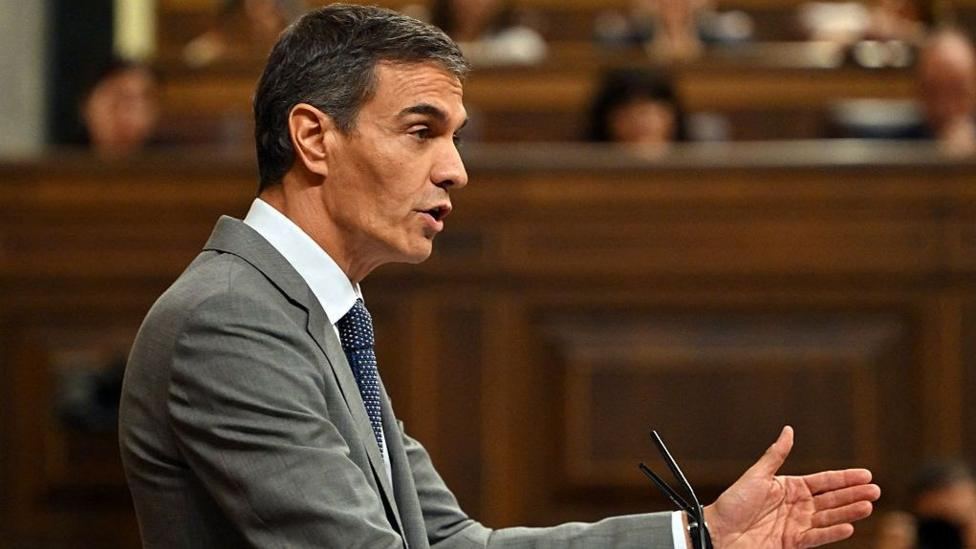
Spain has also declared a national emergency, with fires in eastern Castellon burning more than 10,000 hectares. While the emergency level has been downgraded in the area between Madrid and Castilla y Leon, Prime Minister Pedro Sanchez emphasized that the crisis is not over.
The health and environmental fallout is compounding the economic strain across the Iberian peninsula. Spain’s health minister advised Madrid residents to stay indoors due to poor air quality, while reports of charred wildlife in Avila underscore the long-term ecological damage to rural economies.
For European markets and policymakers, this unprecedented fire season represents an escalating financial burden. The repeated deployment of military assets, mass evacuations, and sustained disruption to tourism and transport networks will require significant fiscal intervention and long-term adaptation strategies.