Normandy rail workers launch surprise strike during peak summer travel
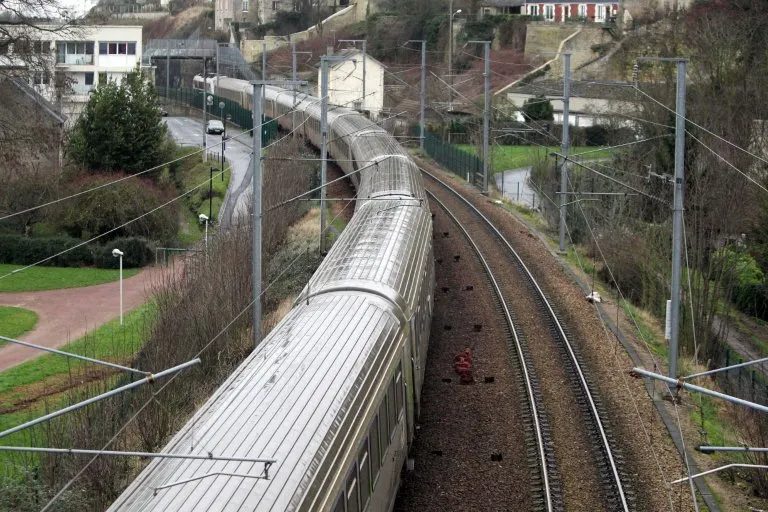
A surprise labor action by railway staff in Normandy will severely disrupt services across northern France during the busiest travel weekend of the summer, compounding existing transport crises in the south-west.
Railway staff in Normandy have initiated an unannounced labor stoppage that will severely disrupt local services and routes connecting Paris to Caen, Rouen, Le Havre, and Deauville. The action runs from Friday, July 31st through Sunday, August 2nd.
This disruption strikes during the chassé croissé, the peak crossover weekend when July holidaymakers return home and August vacationers begin their trips. With multiple road warnings already issued for heavy traffic, the sudden loss of rail capacity creates a significant logistical bottleneck. For the regional economy and the hospitality sector, this transport paralysis threatens to dampen consumer spending during a critical revenue period.
The national rail operator, SNCF, warned that almost all remaining trains are fully booked. Consequently, the company will struggle to reaccommodate passengers affected by the cancellations and has advised travelers to postpone their journeys if possible.
The state-owned operator will publish exact cancellation details on its website at 5pm each day. The suspended routes include the Le Havre to Paris line via Rouen, the Cherbourg to Paris route via Caen and Lisieux, and services connecting Trouville-Deauville, Vernon, and Bernay-Evreux to the capital. Commuters relying on these specific corridors face the highest risk of being stranded without alternative transit options.
While transport workers in vital industries typically must provide 48 hours of formal notice before walking off the job, unions are permitted to call a grève inopinée. This legal exception allows for last-minute action specifically when the strike concerns safety-related matters.
The northern disruptions compound existing transport failures in south-west France. SNCF announced separately that services running south of Bordeaux on the south-west axis remain halted due to severe wildfires and will not resume until at least Sunday. These environmental fires have already forced the cancellation of all regional and long-distance services in that corridor for the entire week.
These simultaneous transport failures highlight the vulnerability of the national transit network to both environmental disasters and sudden labor disputes. For businesses and investors, such widespread mobility restrictions during peak economic activity periods threaten regional commerce. The inability to seamlessly reroute passengers also exposes structural capacity limits within the broader transport market.