Iran war drains US Patriot missiles, exposing a multi-year defense production gap
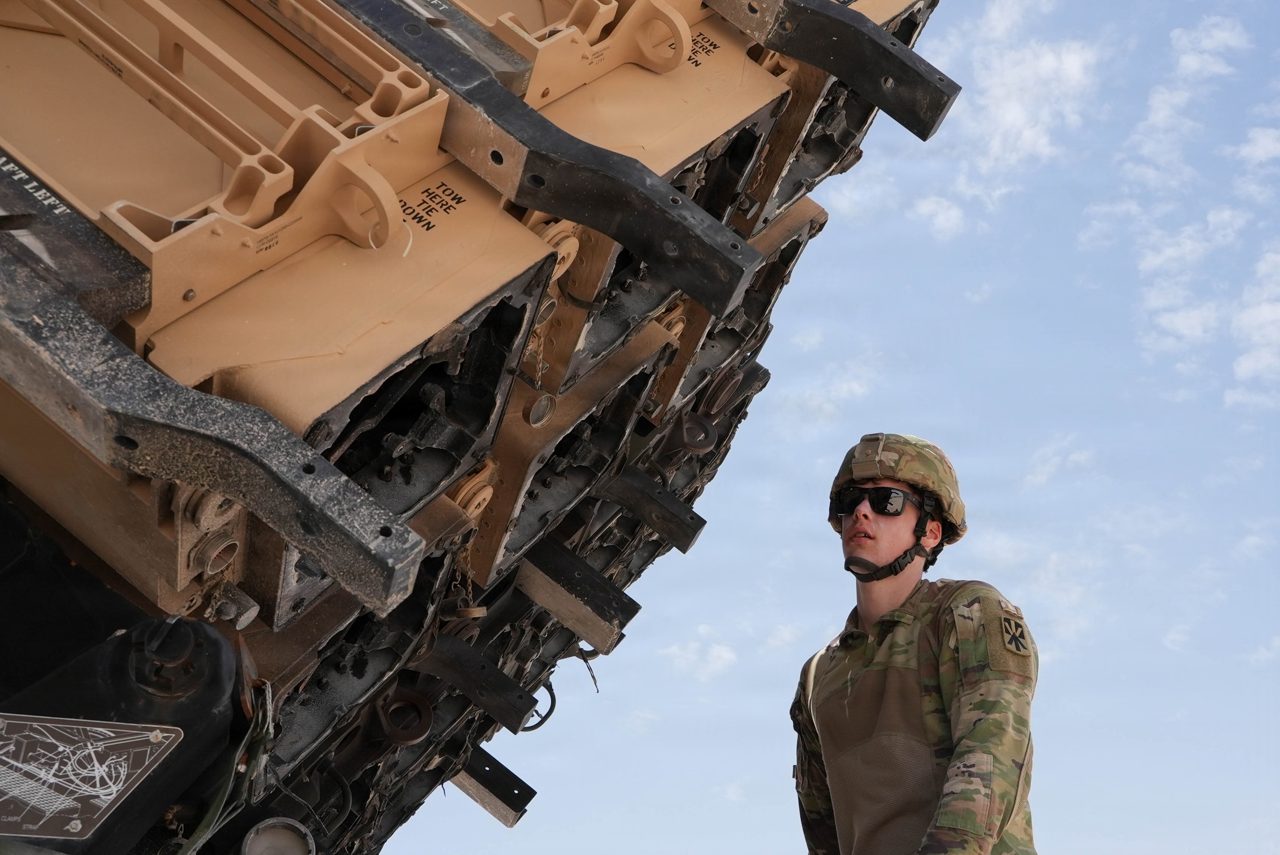
The United States has expended about 65 percent of its Patriot missile inventory during the conflict with Iran, exposing a multi-year production lag that leaves Western alliances vulnerable to simultaneous global crises.
The United States military has expended approximately 65 percent of its pre-war Patriot interceptor inventory during operations against Iran. A new analysis by the Center for Strategic and International Studies estimates that fewer than 1,000 of these critical air-defense missiles now remain in American stockpiles.
The drawdown extends to other advanced systems, with Terminal High Altitude Area Defense interceptors falling by an estimated 38 percent. This leaves the US with roughly 234 to 278 of these specific anti-missile weapons.
Analysts Mark Cancian and Chris Park note that massive quantities of these munitions were fired during the initial phase of Operation Epic Fury. While these systems successfully defended allied populations and military installations from incoming ballistic attacks, some enemy projectiles still penetrated the shield and caused casualties.
The primary concern for Washington and its European allies is not the current conflict, but the danger of a second high-intensity war breaking out elsewhere. Depleted inventories could force coalition commanders to conserve interceptors and prioritize only the absolute highest-value threats.
This lack of substitutes creates a near- to medium-term window of strategic vulnerability across multiple global theaters. As the researchers noted in their assessment, “There are no good alternatives to Patriot and THAAD for ballistic missile defense.”
Rebuilding these arsenals is a slow industrial process that will take multiple years to complete. “It takes several years to produce a missile,” Cancian told the BBC, warning that new funding would not yield hardware for three to five years.
Lockheed Martin secured a massive boost to its long-term order book this week after the US Army awarded a contract worth up to $58.6 billion. The multiyear agreement will fund the production of Patriot Advanced Capability-3 Missile Segment Enhancement interceptors through fiscal 2032.
This expansion is designed to meet surging global demand for air-defense systems amid heightened geopolitical tensions. However, investors and allied governments must recognize that current deliveries consist of missiles funded back in 2023, meaning today's spending will not yield physical hardware until the late 2020s.
I prefer this response