UK renters trade legal rights for cheap housing in idle commercial real estate
Soaring urban living costs are pushing thousands of UK residents into vacant commercial buildings in exchange for heavily discounted rent, exposing the growing financial precarity of Europe's younger workforce and the vast stock of idle real estate.
A growing number of people in the UK are moving into disused care homes, former banks, and empty schools to secure heavily discounted rent. In exchange for protecting these vacant properties from vandalism and disrepair, these so-called property guardians pay between 30 and 50 per cent below standard market rates.
The trend underscores the severe affordability crisis gripping major European capitals, where private rental costs have outpaced wage growth. For real estate investors and developers, guardianship offers a way to secure idle assets and prevent squatting without committing to long-term residential leases or immediate redevelopment.
The Property Guardian Providers Association estimates there are currently between 10,000 and 15,000 guardians in the UK, predominantly concentrated in major cities. Applications for these unconventional living arrangements have risen sharply as the broader cost of living continues to squeeze household budgets.
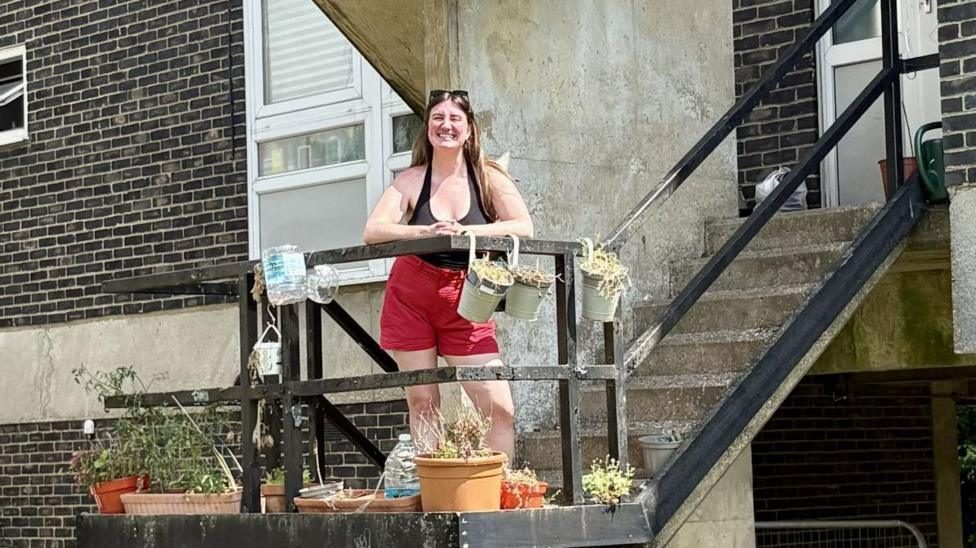
Katrina, a 29-year-old postgraduate student, pays £580 a month including bills to live in a former Edwardian care home in Hampstead, London. While the 1.7-acre estate features grand staircases and chandeliers, she acknowledges the building suffers from leaks, falling stonework, and mushrooms growing on the walls.
She describes the communal environment as a mix of student dormitories and an upscale squat, sharing facilities with lawyers and artists. However, the communal aspect also brings disputes over noise, and the managing company, Lowe, has previously evicted residents for antisocial behaviour.
This discounted accommodation comes at a strict legal cost, as guardians hold a licence to occupy rather than a formal tenancy agreement. Consequently, they possess significantly fewer rights than private renters, lack deposit protection, and can be evicted with just 28 days' notice without a stated reason.
David Hale, 32, has utilized the model for nearly a decade to save money, currently renting a large space in a former Brixton primary school for £1,500 a month. The arrangement saves him roughly £1,000 monthly compared to standard rents, though he and his wife are now saving to buy a permanent home to start a family.
Industry advocates argue the model provides a vital stopgap for the housing crisis, pointing to over a million empty homes and tens of millions of square feet of unused non-residential property across the country. They suggest that temporarily repurposing this idle commercial real estate could house thousands of people affordably.
Housing charities strongly dispute this framing, arguing that the proliferation of guardianships merely masks a systemic failure to build stable, affordable housing. Sarah Elliott, chief executive of the charity Shelter, noted that for most people, living in a precarious, temporary commercial space is not a viable alternative to a secure home.