US economic growth slows to 1.5% in second quarter despite resilient consumer demand

A sharper-than-expected deceleration in US growth highlights the economic drag of Middle East conflicts and tariffs, though robust household spending suggests transatlantic markets face limited immediate fallout.
The US economy expanded at an annual rate of 1.5 per cent in the second quarter, down from 2.1 per cent in the first three months of the year. This deceleration missed analyst expectations of roughly 2 per cent growth, according to official Commerce Department figures.
The slowdown was primarily driven by declines in government spending, business investment and exports. These headwinds reflect the ongoing financial impact of the war with Iran and the navigational challenges US businesses face amid prevailing tariffs.
However, this broader contraction was partially offset by a sharp rebound in household consumption. Consumer spending, which drives more than two-thirds of US economic activity, grew at a 3.2 per cent rate last quarter, a significant acceleration from the 0.5 per cent pace seen earlier in the year.
Despite prices rising 3.5 per cent in the year to June, American households continued to purchase motor vehicles, particularly light-duty trucks, alongside furniture and prescription drugs. This resilience indicates that domestic demand remains a reliable pillar of the world’s largest economy.
Michael Pearce, chief US economist at Oxford Economics, argued that the headline slowdown underplays the underlying strength of the US economy. He expects the growth pace to return above 2 per cent later this year, noting signs that investment in industries outside the artificial intelligence boom is reviving.
While Pearce acknowledged that surging AI-related investment remains the biggest game in town, he cautioned that its direct contribution to growth is modest. This is largely because the heavy imports of microchips required for AI development offset some of the domestic economic value.
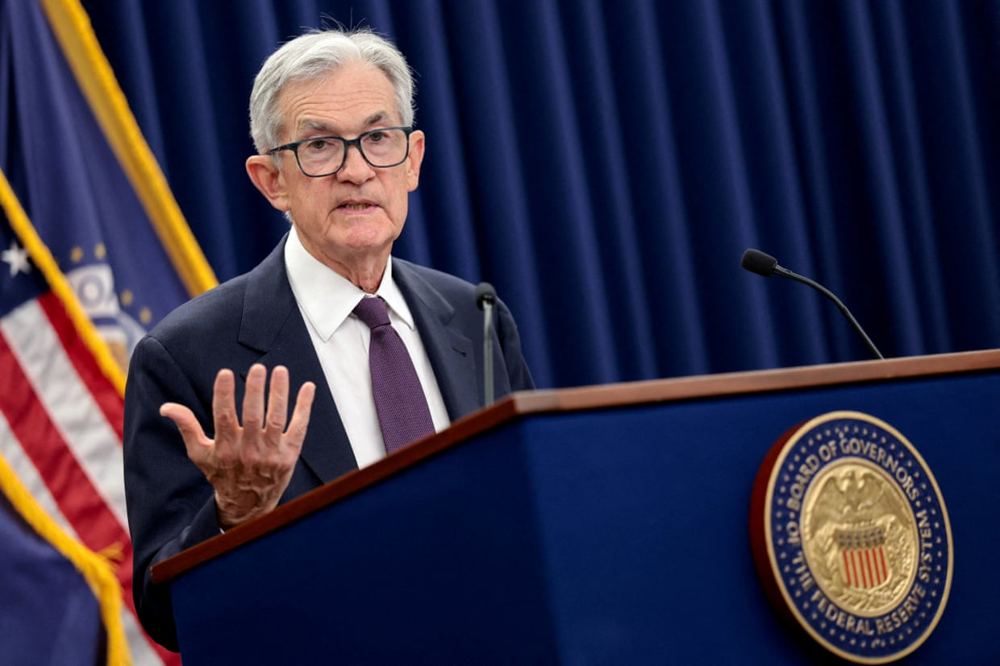
Monetary policy also reflects a cautious but steady approach. The Federal Reserve held interest rates for a fifth consecutive time on Wednesday. New Fed chairman Kevin Warsh warned that there is no magic wand to tackle rising prices, which have remained above the central bank’s 2 per cent target for more than five years.
Geopolitical friction continues to cast a shadow over global markets. The Fed noted that economic activity is expanding at a solid pace despite uncertainty caused by the conflict in the Middle East. The primary economic concern remains surging oil prices, with Brent crude trading around $90 a barrel on Thursday.
Higher crude costs have pushed average US gasoline prices back above $4 a gallon. Nevertheless, Bradley Saunders, a North America economist for Capital Economics, stated that the latest growth figures seriously undersell a healthy economy.
Saunders observed that households have effectively shrugged off the budgetary hit from elevated fuel costs. For European investors and policymakers, this underlying US consumer resilience suggests that global demand will remain intact, even as inflation pressures, measured by a 3.7 per cent rise in the Personal Consumption Expenditures Price Index, continue to complicate central bank strategies on both sides of the Atlantic.