Rolls-Royce raises profit guidance amid surging demand for AI and defence power
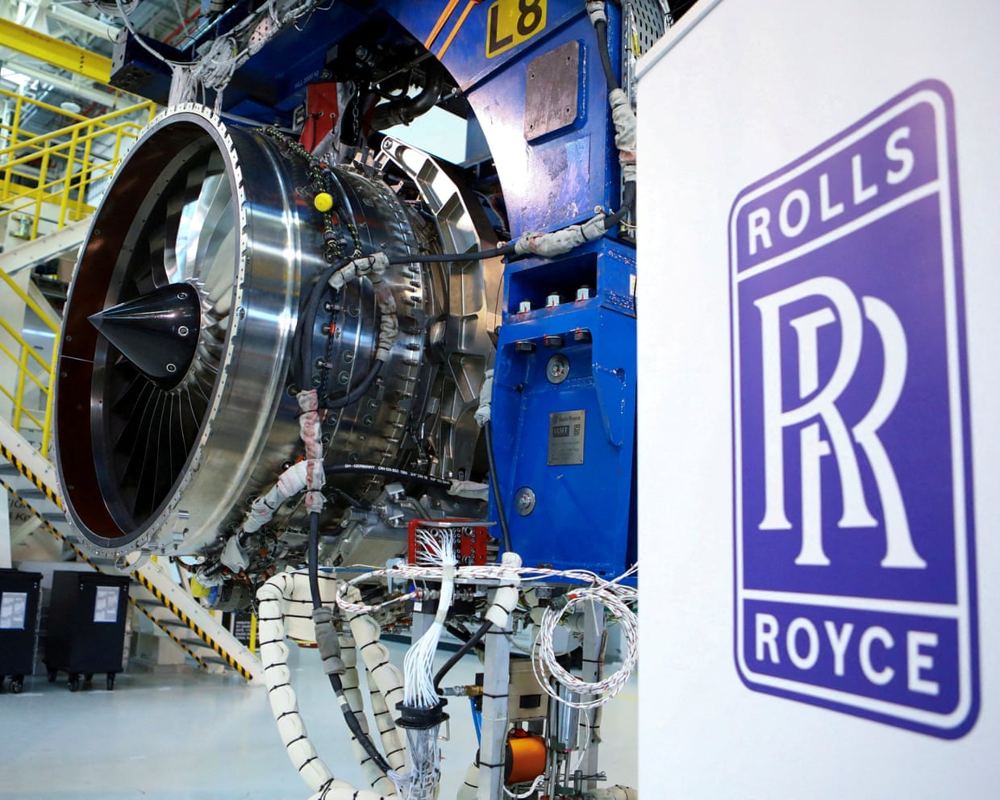
The UK engineering giant has upgraded its full-year profit and cashflow forecasts, driven by booming demand for datacentre power and defence contracts that position it at the centre of Europe's industrial future.
Rolls-Royce has upgraded its full-year financial guidance, raising operating profit forecasts by £700m to between £4.7bn and £4.9bn. The UK engineering group also expects full-year cashflow to be £200m higher than previously predicted, reaching between £3.8bn and £4bn.
These half-year results reinforce a remarkable corporate turnaround under chief executive Tufan Erginbilgiç, whose leadership has seen the company's share price increase tenfold. The firm now carries a valuation of £120bn, placing it roughly level with miner Rio Tinto as the fourth most valuable company on the London Stock Exchange.
A major driver of this momentum is the power systems division, which saw its order book jump 55 per cent over the last six months. US artificial intelligence datacentres are increasingly purchasing the group's diesel generators for backup and gas-fired turbines for primary power to bypass an under-invested American electricity grid.
The company is also positioning its small modular reactors, which generate 470 megawatts, to serve power-hungry hyper-scale datacentre projects in the United States. Originally designed for national grids, these reactors are expected to arrive in the 2030s and provide a low-carbon energy solution for the tech sector.
Defence remains a highly stable growth pillar for the business, bolstered by the UK government's broader investment plans. The prime minister visited the Barrow-in-Furness shipyard on Thursday to highlight the company's role in building nuclear propulsion systems for British submarines, alongside developing propulsion for uncrewed aircraft.
Looking ahead, the group plans to re-enter the narrowbody aircraft engine market, targeting a sector many times larger than its current widebody business. Securing this position will likely require financial support from the UK Treasury. While corporate welfare for a cash-rich firm might seem unusual, state subsidies are standard practice in the international aerospace industry.
The corporate pitch to the government emphasises the potential creation of 40,000 advanced manufacturing jobs across the UK. This aligns with the priorities of a reindustrialising prime minister, though it highlights a missed opportunity for the state in 2020. Had the Treasury insisted on convertible bonds rather than simple loan guarantees during the pandemic, the UK could have secured a highly profitable equity stake.
Erginbilgiç argues that the company is now positioned squarely at the centre of "major global trends" spanning defence, artificial intelligence, and nuclear energy transition. While a return to the narrowbody market remains a slower process dependent on formal commitments from Airbus and Boeing, the diversified portfolio makes the chief executive's long-term ambitions appear increasingly grounded.