Apple doubles inventory to $11bn as AI-fuelled memory crunch bites
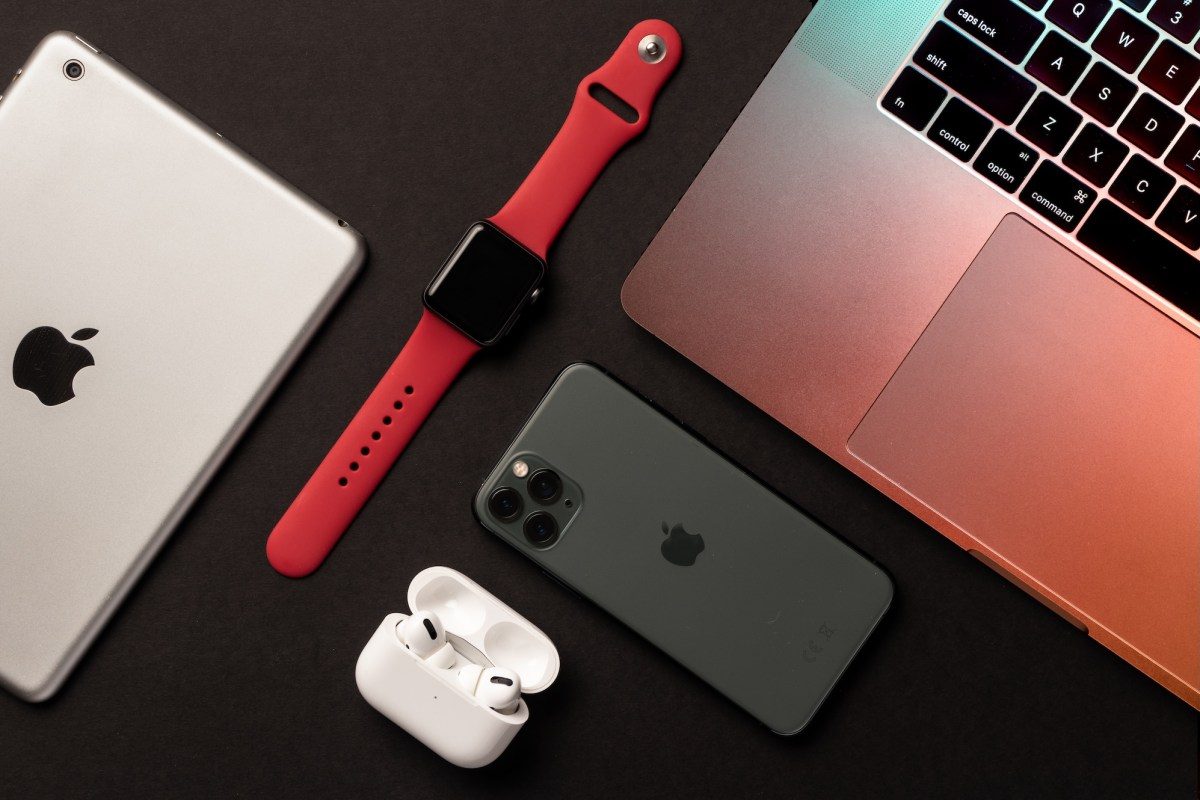
Apple has nearly doubled its component stockpile and warned of worsening memory shortages that are already pushing up device prices across the hardware industry.
Apple reported $11.1 billion in inventory, almost twice the $5.7 billion it held last September, as the company races to secure advanced memory chips before supply constraints tighten further. Outgoing chief executive Tim Cook described the situation as "a hundred-year flood [on] memory pricing," driven by the generative AI boom's voracious appetite for hardware components.
The stockpile marks a sharp departure from the lean, just-in-time supply chain philosophy Cook built over two decades at the helm. Yet the company sees little alternative. "We continue to expect high levels of demand. However, with less flexibility in supply chain, we expect the impact from the supply constraints to increase significantly sequentially," Cook told analysts on the quarterly earnings call.
The immediate pressure point is the advanced memory nodes required for Apple's in-house silicon, the A-Series and M-Series processors that run iPhones and Macs. Industry observers have dubbed the shortage "RAMageddon," and Apple expects conditions to deteriorate rather than stabilise.
"We're going to be scrambling on the supply side, essentially," Cook said.
Prices already climbing
The cost squeeze is no longer theoretical. Apple "reluctantly" raised prices on Macs and iPads last month, Cook confirmed, and the company is far from alone. Meta, Samsung, Microsoft and Sony have all lifted hardware prices in recent weeks, signalling that European consumers and businesses should expect costlier laptops, phones and tablets well into next year.
For a continent where device purchases underpin everything from small-business operations to public-sector IT procurement, the pricing pressure could feed into broader inflation in the technology category at precisely the moment the European Central Bank is watching services costs closely.
A record quarter shadowed by the next one
Paradoxically, Apple is stockpiling from a position of strength. The company posted what it called its "strongest June quarter ever," with iPhone revenue up 22 per cent year over year and Mac sales climbing 29 per cent. The AI-driven hardware cycle is clearly boosting demand for premium devices.
The problem is the forward view. Apple guided next-quarter revenue growth of 9 to 11 per cent, a notable deceleration from the roughly 16 per cent pace it has maintained over recent quarters. Investors reacted swiftly: shares fell 6 per cent in after-hours trading.
A new CEO inherits the crunch
The supply headache will land squarely on John Ternus, the senior vice-president of hardware engineering who assumes the chief executive role in September. He takes over a company posting record sales but facing constrained margins, a disrupted component pipeline and a market that has just begun pricing in slower growth.
Apple is not unique in its predicament, but its sheer purchasing power means the memory market's tightness will ripple through every tier of the supply chain. For European buyers, the practical takeaway is straightforward: the era of stable or falling device prices looks to be pausing, and the AI boom that promises productivity gains is, in the short term, making the hardware itself more expensive.