Record Andean Snowfall Draws European Ski Teams and Global Tourism Investment
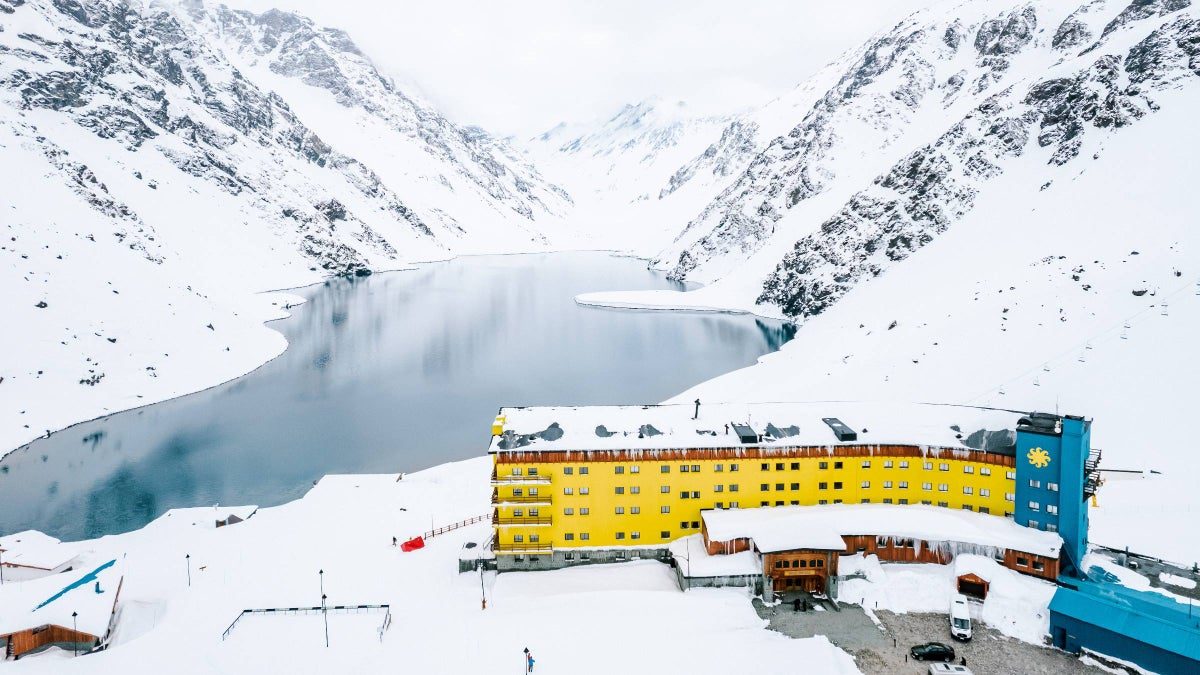
Unprecedented snowfall in Chile and Argentina is extending the Southern Hemisphere ski season, offering a strategic training haven for European Olympic teams and a lucrative alternative for global winter tourism markets.
Ski resorts across the Chilean and Argentine Andes are experiencing their heaviest snowfall in decades, with some bases receiving over 17 feet of snow in a matter of weeks. This sudden influx has transformed the region into a prime destination for winter sports, prompting an extension of the 2026 season well into October.
The exceptional conditions have immediate implications for European winter sports. Olympic teams from Norway and Austria have scheduled summer training camps at Chile’s Portillo resort starting late next month, seeking reliable snow ahead of the Northern Hemisphere winter.
For global ski operators and investors, the Andean boom highlights a shifting dynamic in winter tourism. Colorado-based Mountain Capital Partners recently acquired the Chilean resorts of Valle Nevado and La Parva, linking them to create the largest interconnected skiable terrain in the Southern Hemisphere.
This consolidation benefits international visitors, including Europeans holding Ikon Pass, Mountain Collective Pass, or Power Pass credentials, which now grant reciprocal access to these expanded slopes. With lift tickets priced up to 50 percent lower than major North American resorts, the region presents a competitive alternative for cost-conscious ski tourists.
The weather event is driven by a strong El Niño phenomenon and a category four atmospheric river, which dumped 102 inches of snow on Valle Nevado in a single week. However, such extreme volume introduces significant logistical hurdles, including prolonged road closures and complex avalanche control measures.
Meteorologist Luke Stone, who recently navigated the storms in Chile, highlighted these severe operational hurdles. He noted that the challenges regarding road closures and avalanche control are "more complicated than what you might deal with in North America, the Alps or Japan."
As climate volatility increasingly threatens traditional European ski seasons, the Andean market’s current abundance underscores a broader realignment in global winter sports infrastructure. Resorts that can guarantee deep snow bases are poised to capture a growing share of international training and tourism revenue.