Australian Hiker Found Dead in Wyoming Amid Reliance on Satellite Trackers

The death of a 28-year-old backpacker on the Continental Divide Trail underscores the limitations of consumer satellite technology in extreme terrain and the complex realities of international search operations.
A 28-year-old Australian hiker has been found dead in Wyoming after disappearing during a southbound thru-hike of the 3,028-mile Continental Divide Trail. Teton County Search and Rescue volunteers located the body on the morning of July 29, following a nearly week-long absence of communication.
The backpacker had been using a Garmin satellite messenger to track his progress and maintain contact with family in Australia since starting at the Canadian border earlier in the summer. His final substantive update occurred on July 19 near Old Faithful in Yellowstone, where he outlined a route covering the Tetons, Gros Ventre Wilderness, Wind River Range and Divide Basin.
Communication ceased abruptly a few days later. On July 23, relatives received an automated check-in devoid of text or geographical coordinates, alongside a separate Facebook video suggesting he had entered the Teton Range.
Concerned family members alerted national park authorities on July 27 after several days without a signal ping. On July 28, investigators traced the July 23 transmission to the Wigwams area.
Because this location sits just outside official park borders within the Jedediah Smith Wilderness, jurisdiction for the search shifted to the Teton County Search and Rescue team. This handoff is a standard procedural step given the region's complex geographical boundaries.
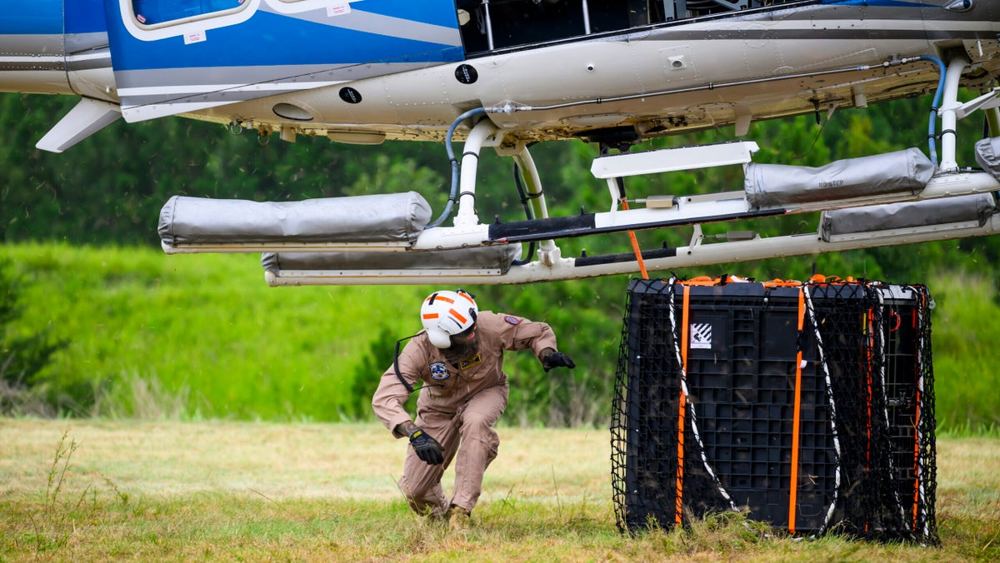
At first light on July 29, a specialised helicopter short-haul team was deployed to scout the last known coordinates. Rescuers spotted a bright orange pack from the air, discovering the hiker below a ridgeline south of North Wigwam Peak.
Preliminary evidence indicates the death resulted from a fatal fall off an exposed divide situated between Grand Teton National Park and the adjacent wilderness area. Flight crews recovered the body and transported it to the search and rescue headquarters in Jackson before transferring the case to the Teton County Coroner.
The incident highlights the stark limitations of consumer tracking technology when navigating technical, high-altitude environments. As local outdoor professionals note, weather and technical terrain can rapidly turn a dream trip sideways, with alternate routes over the Wigwams featuring sharp, exposed ridges that demand total focus.
For international adventure tourists and the outdoor recreation industry, the case serves as a sobering reminder. Satellite messengers provide a critical lifeline, but they cannot eliminate the inherent risks of remote mountaineering or the immense logistical burden placed on local rescue services.