Boy George exits London Jesus Christ Superstar run after releasing pro-Israel song
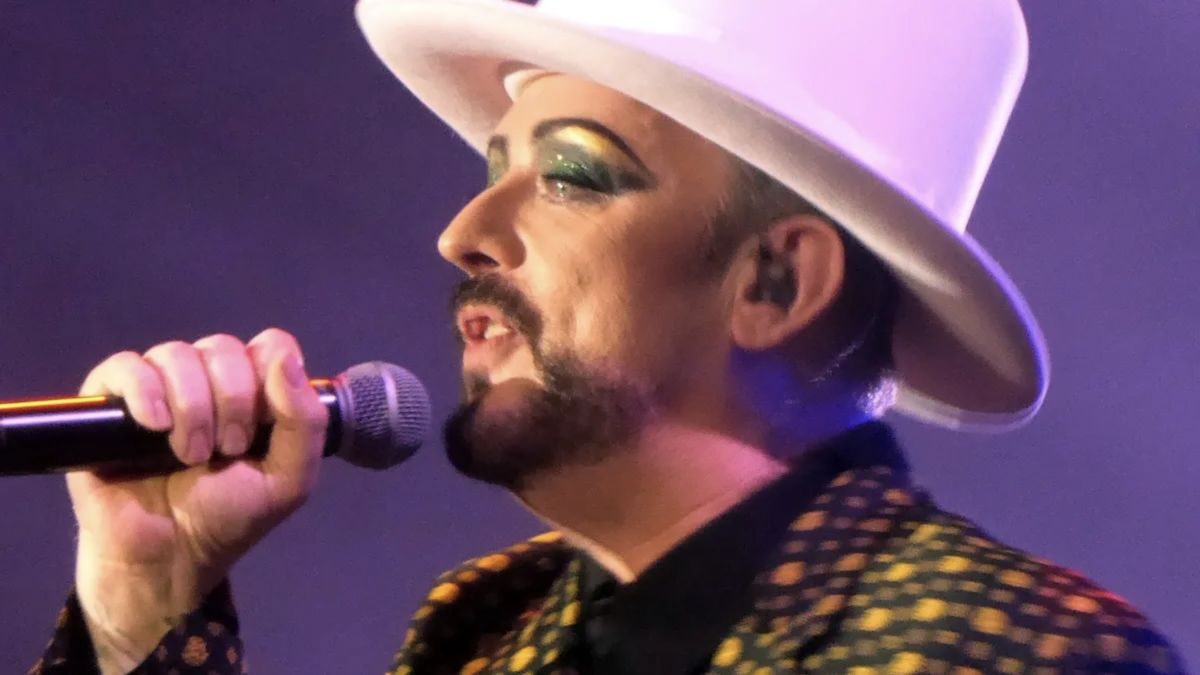
The Culture Club singer’s abrupt withdrawal from a major London theatrical production highlights the growing commercial risks for entertainment companies when artists wade into geopolitical controversies.
Boy George will not play King Herod in the upcoming London run of Jesus Christ Superstar. His manager, Paul Kemsley, confirmed on Thursday that the singer’s scheduled two-week appearance from August 3rd to 15th has been canceled just days before his debut.
The withdrawal follows intense public reaction to a reggae track the singer released on July 26th titled “We Will Dance Again.” The song contains explicitly pro-Israel lyrics, stating: “You say genocide/ I say war,” and “You condemn the Jews with selective memory/ Musicians holding flags mouthing like sheep/ Propaganda fuelled by the internet feels so weak.”
For theatrical producers, the sudden departure of a marquee name days before a run poses logistical and financial challenges regarding ticketing and marketing. Kemsley framed the exit as a strategic necessity to shield the show's commercial viability from potential public controversies.
“The decision has been made with the utmost respect for the producers, the creative team and the entire company,” Kemsley stated. He offered “our sincere apologies” to fans who had already purchased tickets, adding that the team is “deeply grateful for their continued loyalty and support.”
The manager emphasized the balance between an artist's personal brand and the financial health of a collaborative production. “George has never been afraid to stand by his personal convictions, and I have always respected him for that,” Kemsley said. He argued that stepping aside ensures the theatrical run remains the primary focus for audiences.
The controversy is further complicated by the singer’s admission that he utilized artificial intelligence to produce the track. He described the process as “AI for good,” adding: “Truthfully, I would struggle to write this with a human!”
The incident underscores a broader trend in the European entertainment sector, where productions and investors must increasingly weigh the reputational risks of hiring outspoken artists. When a performer's external political statements threaten to overshadow a theatrical investment, management teams are forced to make rapid commercial calculations. Protecting the box office revenue of a major rock opera ultimately takes precedence over accommodating an individual star's public controversies.