Italy calls for Schengen suspension with Spain as Madrid deploys army to Ceuta
Rome’s demand to suspend free travel with Madrid highlights growing political fractures within the European Union over border management following a deadly surge of migrant arrivals in the Spanish enclave of Ceuta.
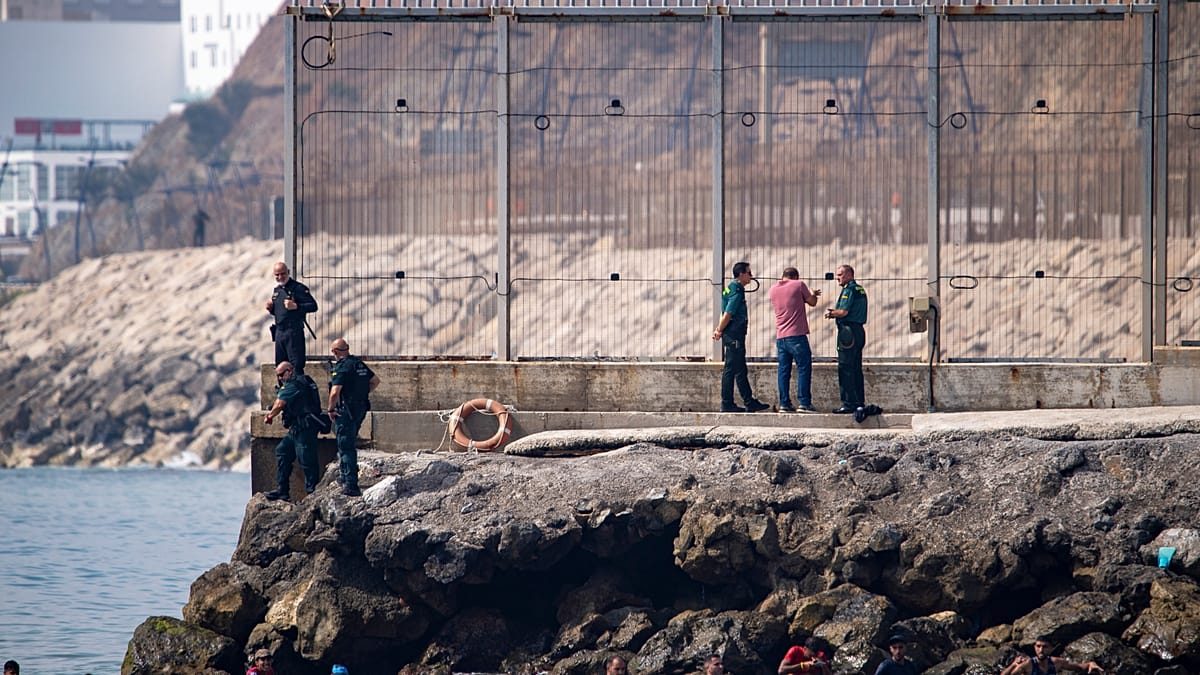
The Spanish government has deployed military troops to the North African enclave of Ceuta after thousands of migrants swam across the border from Morocco on Thursday. The surge in crossings has left local authorities overwhelmed, prompting regional leaders to initially demand a national emergency.
Nineteen people died during the recent attempts to reach the territory, adding to a toll of more than 60 fatalities over the past year. Prime Minister Pedro Sánchez and Interior Minister Fernando Grande-Marlaska are expected to visit the area as Madrid works to restore order.
Diplomatic Fallout
The crisis has triggered a sharp diplomatic backlash from Rome. Italian Foreign Minister Antonio Tajani publicly called for the suspension of the Schengen free travel area with Spain, arguing that uncontrolled immigration threatens national security.
Tajani also criticized Madrid’s previous move to grant citizenship to over 500,000 irregular migrants, claiming it encourages human trafficking. Prime Minister Giorgia Meloni reinforced this stance, stating Italy is prepared to take extraordinary measures to defend its borders.
Madrid has strongly rejected the Italian remarks. Spain’s foreign minister summoned the Italian ambassador to protest what it described as inappropriate comments, underscoring the political friction this border event has ignited within the bloc.
At the European level, officials are attempting to manage the fallout. Migration Commissioner Magnus Brunner emphasized that protecting the EU’s external borders remains crucial, and the European Commission has offered operational support through the border agency Frontex.
On the ground, Spain and Morocco have agreed to accelerate the return of irregular migrants, though no specific timeline or figures have been published. Both governments blame human trafficking networks for exploiting a recent court ruling to encourage the crossings.
Despite Moroccan diplomatic assurances that Rabat is not facilitating illegal migration, trust remains fragile. Spanish Civil Guard sources in Ceuta have questioned the actual level of support from the Moroccan Gendarmerie, describing it as insufficient to ease the intense pressure at the border.