Spain Deploys Troops to Ceuta as 49,000 Migrants Breach EU Border
A sudden influx of 49,000 migrants into the Spanish enclave of Ceuta has killed at least 18 people and overwhelmed local authorities, testing Spain's liberal migration policies and exposing the fragility of the European Union's southern border.
The death toll from a mass border crossing into the Spanish territory of Ceuta has reached at least 18, with tens of thousands more successfully entering the enclave. Spain's Interior Ministry estimates that 49,000 people breached the frontier in just 24 hours, forcing Madrid to deploy soldiers and police to the North African territory after local officials begged for a national emergency declaration.
The sudden arrival has created what Rachid Sbihi, who leads a local workers association representing Civil Guard officers, described as a "serious humanitarian crisis." Without adequate shelter, thousands of people, including unaccompanied children, have been left sleeping in parks and on sidewalks. "People are still entering," Sbihi said. "The reinforcements that have arrived are only helping the injured and other humanitarian efforts."
Many of those who died drowned or were crushed in a stampede while attempting to breach the breakwater fence at Tarajal beach. To reach Spanish soil, migrants swim for miles from Moroccan towns like Fnideq or navigate narrow coastal paths. "It was very tough. The police tried to stop us. But our will and determination allowed us to come here," said Jadid Zacaria, his clothes still wet from the ocean. Others, like 32-year-old Brahim, arrived from Tangier only to find the gates effectively shut. "I was late," he said.
A test for Spain's migration policy
The crisis presents an immediate political and logistical challenge for Spain's Socialist government, which has positioned itself as pro-migrant within the European bloc. Madrid recently launched a programme to legalise 500,000 undocumented migrants, an initiative that triggered a million applications and signaled a deliberate shift toward integrating informal labour. However, a sudden, uncontrolled influx of this magnitude paralyzes local commerce, overwhelms municipal services, and provides political ammunition to critics of open-border policies across the EU.
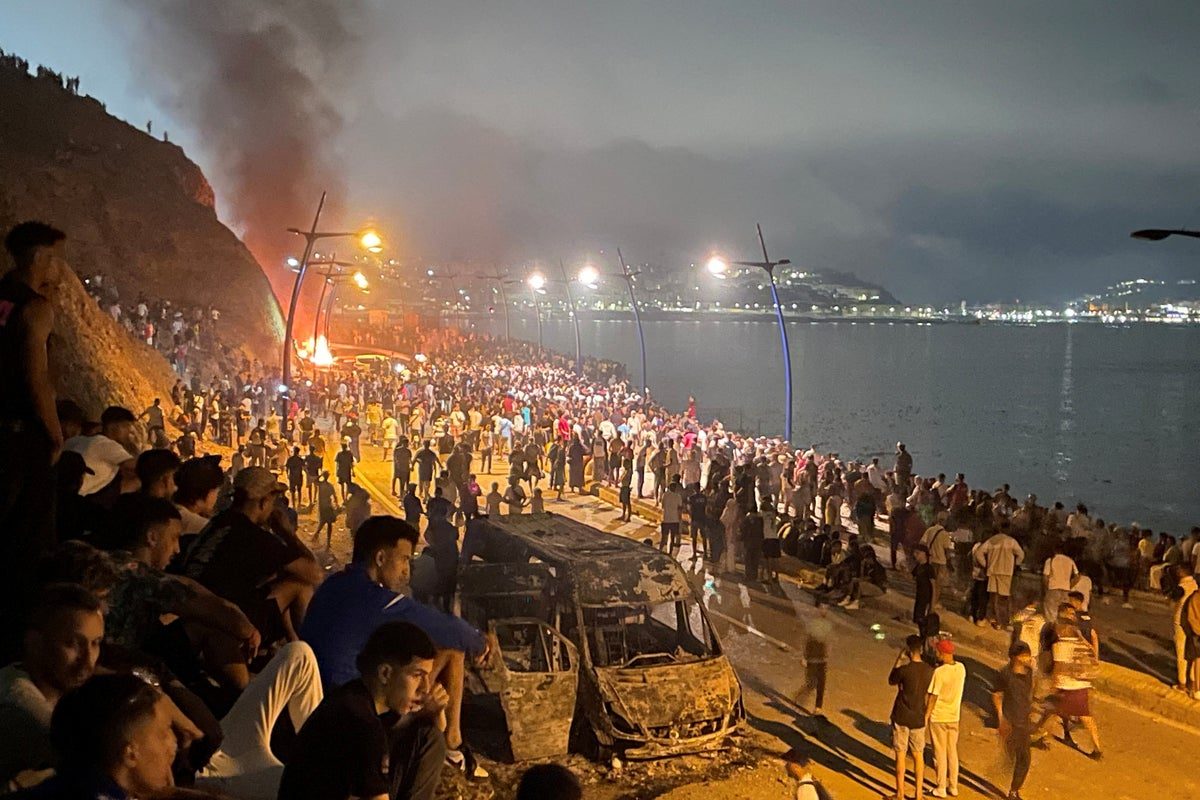
Public order in Ceuta is deteriorating as residents have begun protesting the influx. On the Moroccan side, authorities deployed water cannon trucks and pushed back crowds, resulting in clashes that left a bus and seven vehicles torched. "I feared for my life," said one man caught in a stampede along a coastal route, declining to give his name.
Ceuta and Melilla represent the European Union's only land borders with Africa, making them periodic flashpoints for continental migration policy. Traffic remains clogged on roads into Fnideq as people continue to arrive, while those stuck at the closed border face an uncertain wait. "I thought I could cross by foot through the border. But we are stuck here, unable to go back home," said 23-year-old Fatima Mahli. "I was hoping to cross as a family but my husband woke up early and went first, swimming."