Premier League clubs face operational and player welfare risks after late World Cup returns
A compressed football calendar has left top English clubs with minimal time to reintegrate key players before the season starts, heightening injury risks and labor tensions.
The Premier League season begins on 21 August, just 33 days after the World Cup final on 19 July. Under Fifa regulations, players are entitled to a mandatory three-week post-tournament break. This leaves top clubs with barely enough time to reintegrate key personnel before competitive fixtures commence.
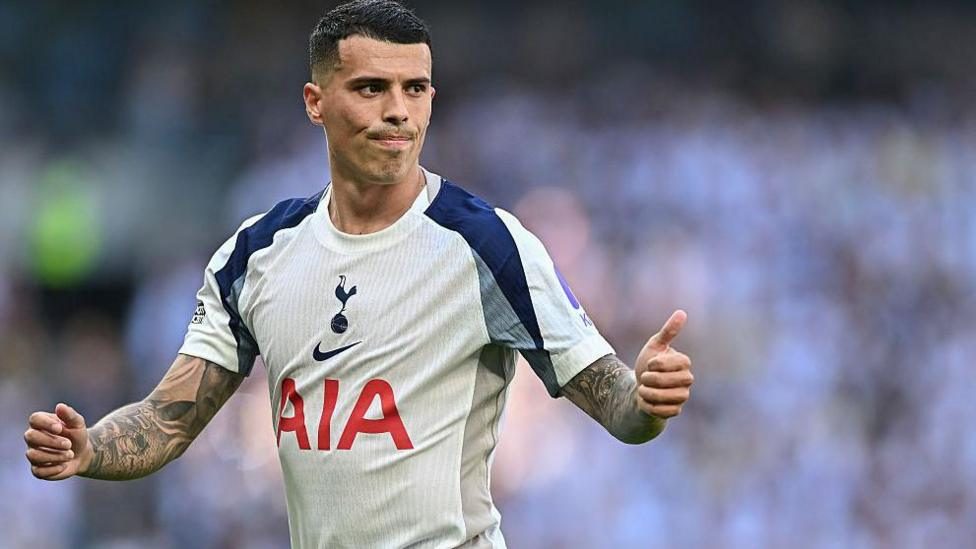
Tottenham Hotspur and Chelsea are among the most significantly impacted franchises. Tottenham’s Cristian Romero, Marcos Senesi and Pedro Porro would not return until 9 August at the earliest, while Djed Spence returns on 8 August. This grants managers roughly two weeks for tactical work and conditioning before the opening match at Brentford on 22 August.
Manchester City and Arsenal carried the heaviest burden, fielding the highest concentration of players who reached the tournament’s latter stages. City’s Rodri played 726 minutes for champion Spain, while Arsenal saw Declan Rice, Bukayo Saka, Martin Zubimendi and Mikel Merino feature in the final weekend.
The physical toll is already materializing as a tangible asset risk for these organizations. Rodri recently underwent back surgery and will miss a short period at the start of the season. Arsenal confirmed that William Saliba will be sidelined for an extended period due to a back issue, despite avoiding surgery.
Labor tensions and calendar congestion
The workload demands are unprecedented, with several players completing the equivalent of eight full matches. Aston Villa’s Emiliano Martinez played all 810 minutes for Argentina, while Liverpool’s Alexis Mac Allister logged 749 minutes.
This congestion follows three consecutive summers of major tournaments, including Euro 2024, Copa America and an expanded Club World Cup. Rodri warned in 2024 that footballers were close to striking over these compounding workload concerns.
Club executives and managers are increasingly vocal about this unsustainable trajectory. Arsenal’s Mikel Arteta and Chelsea’s Enzo Maresca have both highlighted the growing number of matches and the severe physical demands placed on elite players.
The World Cup injury list further underscores this operational vulnerability across the league. Aston Villa’s Amadou Onana suffered a serious knee injury for Belgium, and Manchester United’s Manuel Ugarte saw his tournament cut short.
For Premier League clubs, the immediate challenge is balancing mandatory recovery with competitive readiness. With key players returning with only 12 days to spare, the race to mitigate asset depreciation and ensure squad availability has only just begun.