Italy threatens Schengen exit for Spain after 49,000 migrants enter Ceuta
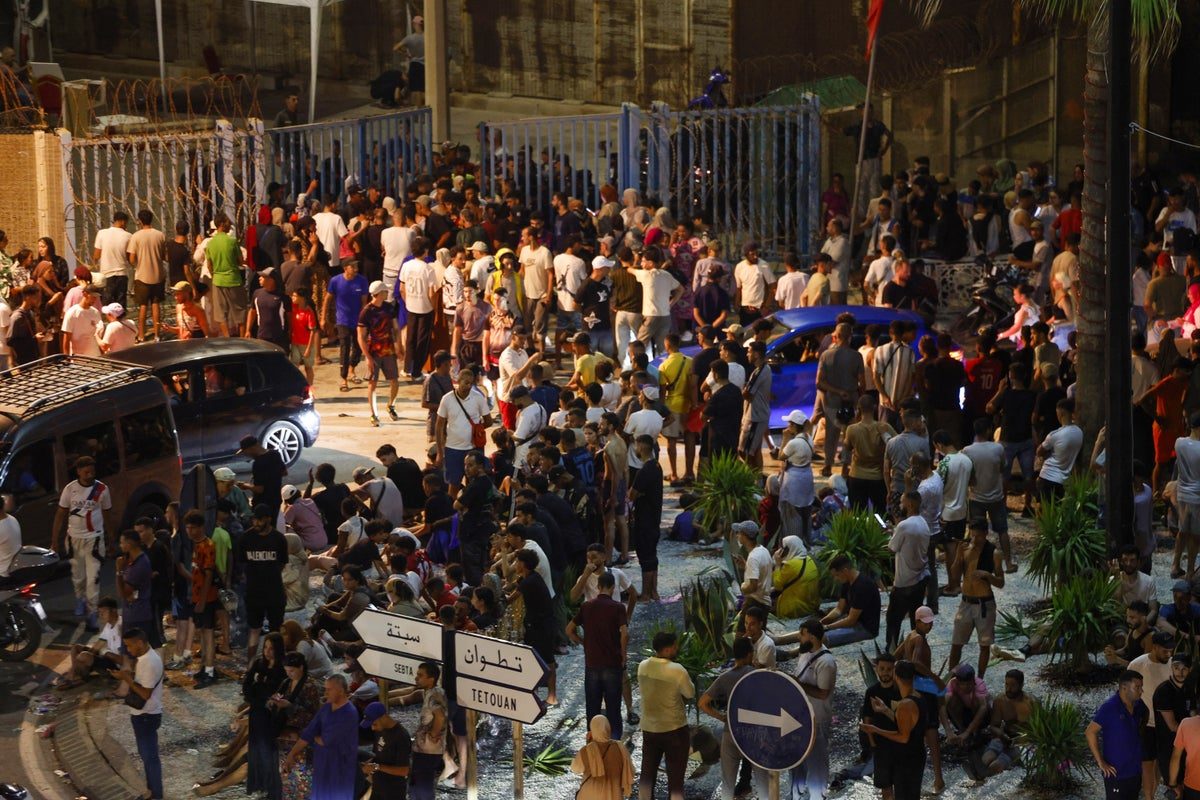
The unprecedented arrival of 49,000 migrants in the Spanish enclave of Ceuta has triggered a humanitarian emergency and prompted neighboring France and Italy to threaten the integrity of Europe’s border-free Schengen zone.
More than 49,000 migrants crossed from Morocco into the Spanish enclave of Ceuta in a single 24-hour period on Thursday. The unprecedented surge overwhelmed local border guards and resulted in at least 19 deaths, including drownings and fatalities from a stampede at the Tarajal breakwater fence.
The crisis has immediately fractured European political unity and threatened the economic foundations of the Schengen area. Reintroducing border checks threatens the free movement of goods and labor, creating friction for cross-border supply chains and regional commerce.
France is the first to enact physical countermeasures. Interior Minister Laurent Nuñez confirmed that Paris will implement extra measures to reinforce the Franco-Spanish border, noting that a mobile force is already permanently present to manage the crossings.
Italy has escalated the political response by demanding Spain's suspension from the visa-free travel zone. Prime Minister Giorgia Meloni described the scenes as shocking and stated that Rome is ready to act through exceptional measures. "We are in the process of bringing together the competent bodies and, once these meetings are over, we are ready to act, including through exceptional measures, such as suspending the Schengen agreement with Spain," Meloni wrote on X.
On the ground in Ceuta, the situation remains dire as thousands, including unaccompanied children, sleep in parks and sidewalks. Rachid Sbihi, who leads a local workers association representing Civil Guard officers, described a serious humanitarian crisis. "People are still entering," Sbihi said, adding that the new reinforcements are only helping the injured.
Madrid has deployed 60 military personnel to assist the police in restoring order at the totally collapsed border. Spanish Prime Minister Pedro Sánchez is scheduled to visit the enclave on Friday morning to assess the situation.
Local authorities previously attributed the spike to a recent Spanish Supreme Court ruling that prevents the immediate pushback of sea arrivals without due process. However, activists in Morocco dispute this, arguing that most migrants would have been entirely unaware of the legal distinction.
Moroccan authorities have also reacted to the mass movement. They deployed water cannon trucks and reinforced security at the crossing gates to manage the flow of people attempting to reach the European Union's only land border with Africa.