Swedish parties target expatriate voters despite limited electoral impact
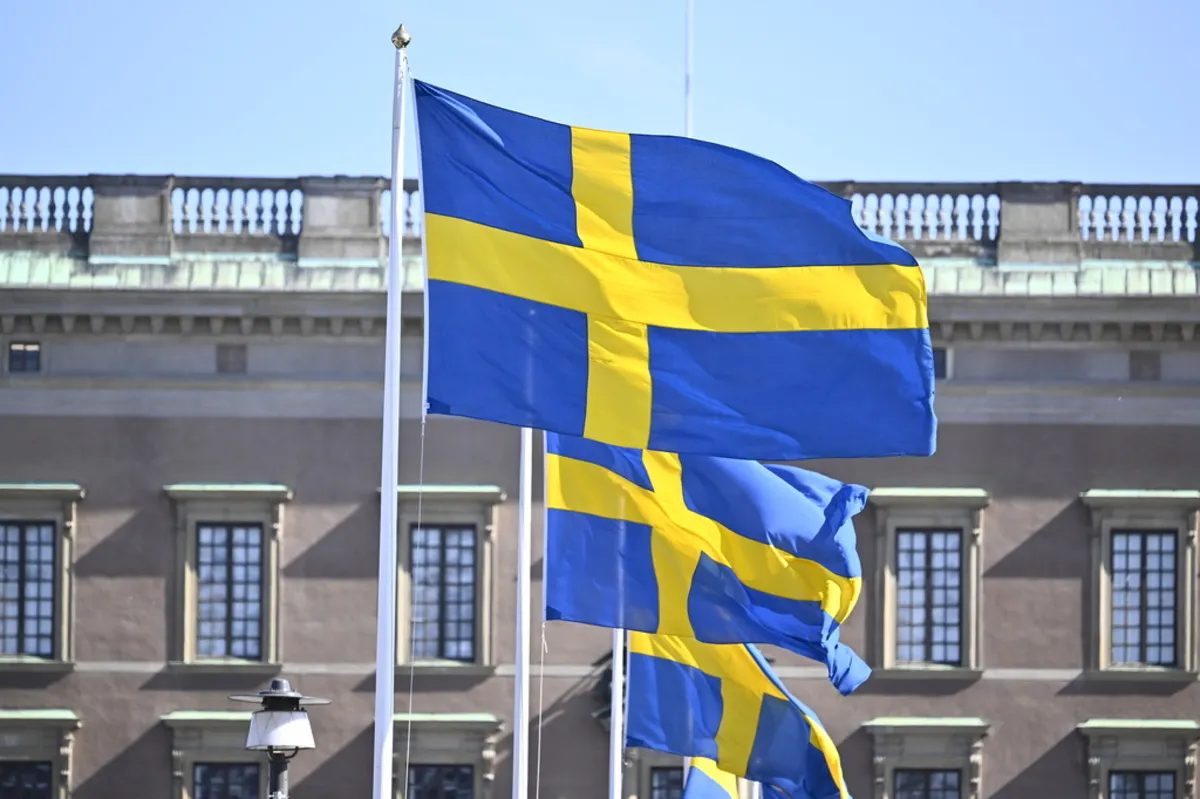
As Swedish political parties increase campaigning among expatriates, experts caution that the overseas vote remains too small and late-counted to regularly decide national elections.
Swedish political parties are intensifying their outreach to citizens living abroad ahead of the upcoming election, aiming to mobilize a demographic that has historically shown low participation. The Sweden Democrats have focused their efforts on the Spanish Costa del Sol, while the Moderates and the Green Party have directed campaigns toward London.
Approximately 220,000 Swedes currently reside outside the country. Despite frequent claims that this bloc could decide the election, political scientists note its actual size is insufficient to be routinely decisive.
Henrik Ekengren Oscarsson, a political science professor at the University of Gothenburg, estimates that only 70,000 to 80,000 overseas ballots will be cast this year. He notes that the demographic maintains a voter turnout of roughly 30 percent.
"It's a very diverse and special group. It's everything from tax refugees to students," Ekengren Oscarsson observed.
The perceived influence of expatriate voters stems largely from procedural timing rather than raw numbers. A portion of these ballots is processed after election night, merging with late-arriving domestic early votes.
"They are part of the mandate ping-pong that may occur after the election. But they go into a very large pile of votes that also includes late-arrived early votes from Sweden," he explained.
Current data on the political leanings of Swedes abroad is unavailable, as their results are not tabulated separately. A 2014 survey indicated a slight rightward tilt compared to the average domestic voter, though experts doubt this constitutes a massive majority.
The 2022 election stands as the third closest in Sweden’s democratic history, with the Tidö parties securing a narrow victory of roughly 46,000 votes over the red-greens. In such a tight race, overseas ballots could theoretically tip the balance.
"In such a very, very close situation, one could point out that it was the overseas votes that tipped the scales. But it is usually not that close," Ekengren Oscarsson said. He emphasized that domestic demographics, such as the more than 400,000 first-time voters, hold far greater electoral weight.