40,000 Migrants Swim Into Spanish Enclave of Ceuta From Morocco
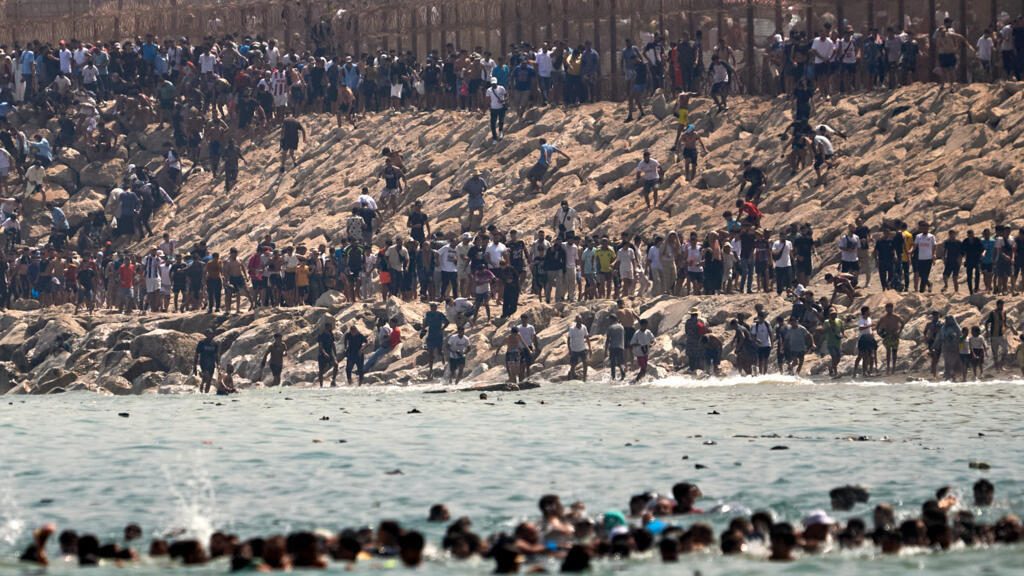
The unprecedented arrival of 40,000 migrants in the Spanish enclave of Ceuta has left nine dead and prompted urgent calls for a national emergency, testing European border policies and asylum systems.
An estimated 40,000 migrants have swum from the coast of Morocco into the Spanish enclave of Ceuta in recent days. The mass maritime crossing has already resulted in the deaths of nine people, according to Spanish authorities.
Individuals making the journey reported spending extensive periods in the water to reach the northern African territory. While one migrant noted that the swim took two hours, others stated they spent more than four hours at sea before reaching the shore.
Those undertaking the dangerous maritime route are primarily seeking to obtain asylum within the European Union. The sheer volume of arrivals represents a sudden and massive surge in migration attempts targeting Spanish territory from the neighboring North African nation.
The scale of the influx has overwhelmed local capacities, leading officials to urge the immediate declaration of a national emergency. Such a designation would mobilize broader state resources to manage the logistical crisis unfolding at the border.
For European policymakers, the crisis at Ceuta highlights the persistent vulnerability of the bloc's external frontiers. Managing sudden mass arrivals requires immediate financial interventions, straining local municipal budgets and diverting state security resources from other domestic priorities. The sudden absorption of tens of thousands of people places acute pressure on local housing, healthcare, and sanitation infrastructure.
The situation also places renewed pressure on the European Union's broader asylum and border management frameworks. A sustained influx of this magnitude forces member states to confront the logistical costs of processing asylum claims and the political friction that arises when frontier nations bear the initial burden of continental migration flows. It also raises questions for markets regarding regional stability and the fiscal capacity of peripheral states to manage ongoing border crises without sustained financial support from Brussels.
As Spain weighs the formal declaration of an emergency, the focus remains on stabilizing the enclave and addressing the immediate humanitarian toll. The nine confirmed fatalities underscore the severe human cost of the border routes that continue to challenge European governance. Ultimately, the event serves as a stark reminder of the logistical and economic realities facing the continent's southernmost borders.