Danube drought halts cargo shipping as water levels hit record lows in Hungary
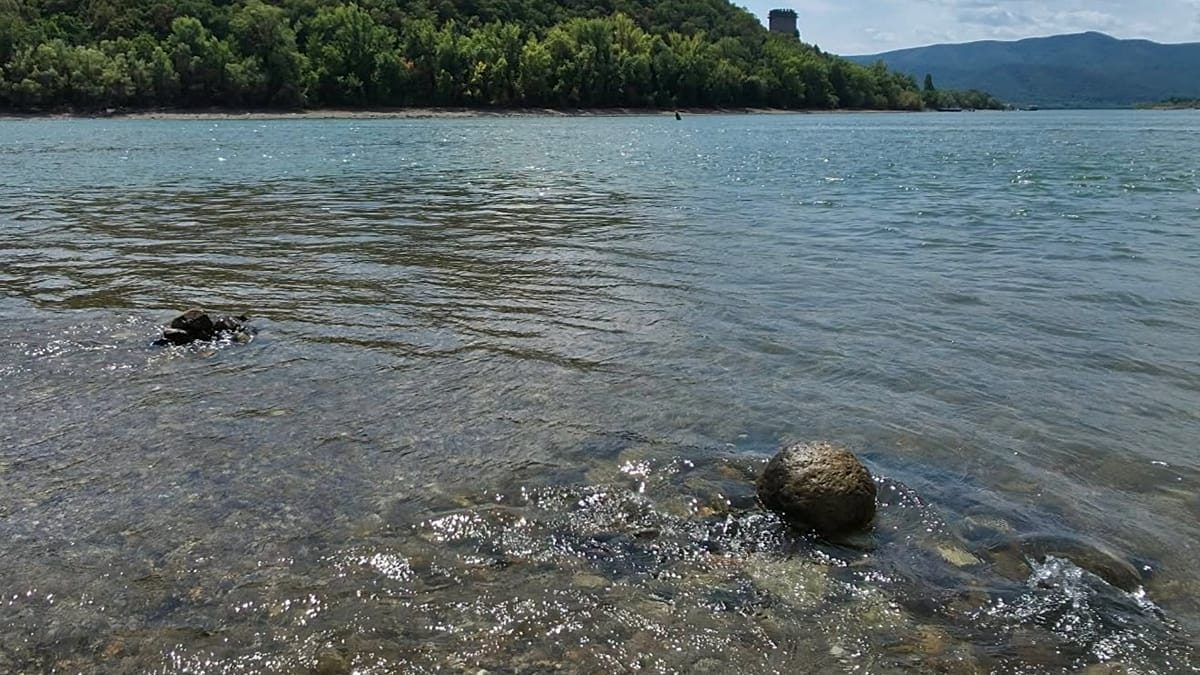
Record low water levels on the Danube have forced cargo shipping restrictions in Hungary, underscoring the severe economic and environmental toll of extreme heat on one of Europe's most vital inland waterways.
Water levels on the Danube in Budapest dropped to a record low of 23 centimetres on 29 July, shattering the previous 2018 record of 33 centimetres. Although levels rose slightly to 25 centimetres by lunchtime, authorities expect no significant improvement as a second major summer heatwave hits the country.
The severe recession of the river is heavily disrupting regional supply chains. Emerging sandbanks along the bends are creating severe navigation challenges and forcing restrictions on river traffic in Budapest. On several stretches, neither cargo nor passenger vessels can currently operate.
The shipping crisis reflects a wider environmental emergency across the nation. On Wednesday, László Gajdos from the Ministry Responsible for the Living Environment announced a state of heightened alert. He noted that 66 of the country's 84 water-shortage management districts now have a drought index above the legally mandated triple threshold value.
Forecasts offer no immediate relief for the logistics sector or local agriculture. No rain is expected over the next two weeks, with the current heatwave projected to peak in about a week at maximum temperatures around 39 degrees in the capital.
This crisis is not merely a result of poor rainfall. A World Weather Attribution analysis found that Europe's droughts this year are primarily driven by extreme heat pulling moisture from rivers and soil. Scientists estimate these intensely evaporative conditions are up to 80 times more likely due to fossil fuel emissions.
As the water recedes, the exposed riverbed is revealing centuries of hidden history. A reader recently discovered a perfectly shaped stone sphere near Visegrád, which experts at the Mátyás Király Museum suspect is a catapult projectile used up to the 16th century or even Roman times.
Museum director and archaeologist Gergely Buzás confirmed that experts will examine the sphere next week, noting that Visegrád Castle was historically bombarded with hundreds of similar stone balls. The unprecedented drought has also exposed other relics, including a Second World War shipwreck that emerged near Mohács last week.
Satellite imagery from the European Union’s Copernicus programme starkly illustrates the deterioration of the waterway. Comparing images of the Danube Bend from 14 July 2025 and 25 July 2026 reveals massive new sandbanks, turning a vital commercial artery into a dry path.