Po drought forces over 100 Italian municipalities to rely on water tankers
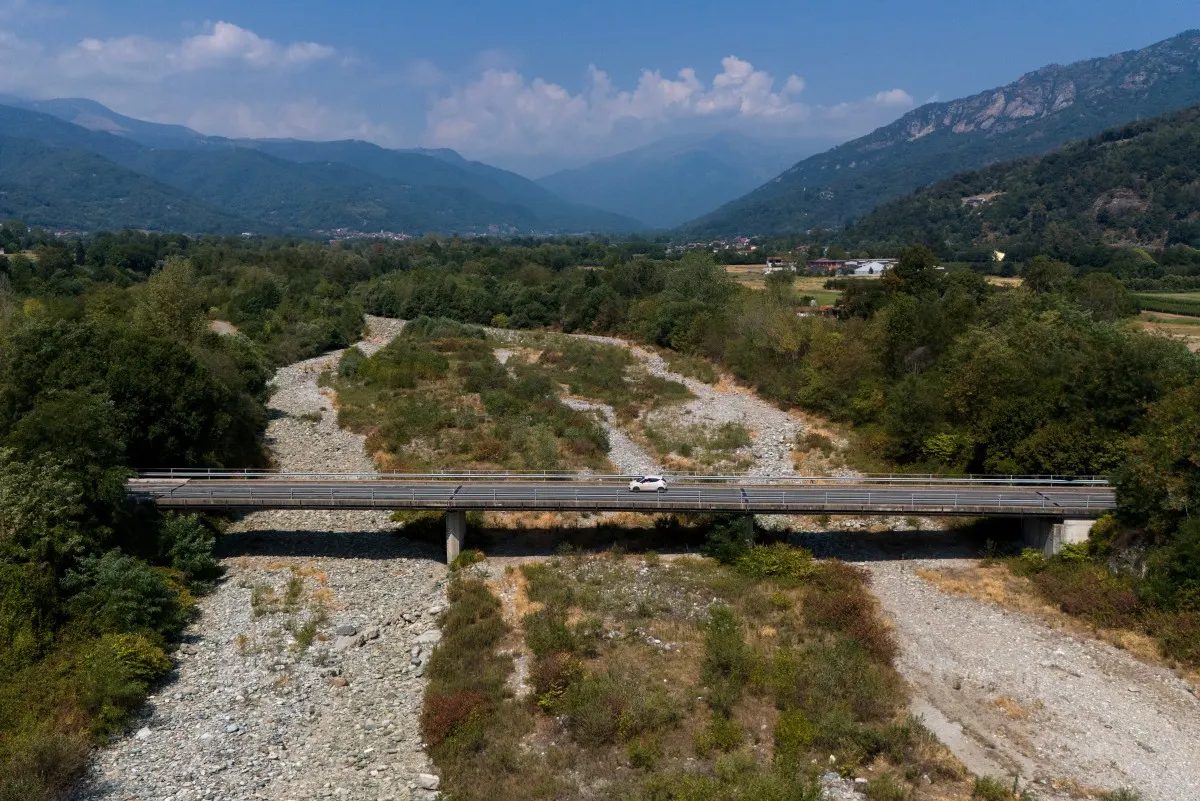
More than a hundred towns across Piedmont and Lombardy face drinking-water shortages as record heat and a dry spring push northern Italy's river system toward a repeat of the devastating 2022 drought.
More than 100 municipalities in Piedmont and Lombardy are experiencing water supply difficulties, the Po River Authority (ADBPO) said, with some communities already relying on tanker trucks to refill drinking-water reservoirs. The announcement marks a sharp escalation in what has become a season-long crisis across Italy's most economically vital northern regions.
The numbers behind the shortage are stark. In a single week, water levels in Lake Maggiore and Lake Como fell by seven percent and six percent respectively, according to the ADBPO, as stored winter reserves were diverted to irrigate parched farmland. Despite a brief spell of rain, the authority's Secretary General Alessandro Delpiano said the north now holds less water in its lakes and rivers than it did ten days ago.
"Let's not fool ourselves into thinking that summer storms can solve deep-rooted problems," Delpiano said.
Agriculture under threat
The farming consequences are already visible. In the rice paddies between Turin and Milan, farming union Confagricoltura warned that "the intense heat of recent days, on top of the severe water stress affecting the rice-growing area, risks compromising the entire season's production." Northwestern Veneto is also reporting shortages.
Around Turin, the Po itself has turned green, its surface choked with aquatic plants and algae whose growth has been accelerated by the heatwave, according to an AFP photographer on the scene.
Twenty river basins in northern Italy have been granted emergency permission to bypass minimum environmental flow requirements, a measure designed to keep farmland irrigated and to prevent a repeat of the destructive agricultural drought of 2022. A new heatwave is expected to arrive on Friday, compounding the strain.
A structural problem, not a one-off
The crisis follows a dry spring and record June and July temperatures that melted Alpine snow reserves earlier than normal. Summer, the ADBPO noted, arrived too early across the region.
Climatologists at the World Weather Attribution group have said the heatwave that parched Europe in June would have been almost impossible without human-driven climate change, lending weight to concerns that what Italy experienced in 2022 is becoming a recurring pattern rather than an anomaly.
For European markets and policymakers, the implications extend beyond one river valley. The Po basin underpins a significant share of Italian agricultural output, and repeated summer droughts threaten crop yields, food-supply costs and municipal infrastructure budgets across the continent's south. Northern Italy's current reliance on tankers to keep taps running is a signal that adaptation spending, not just emergency response, is moving up the policy agenda.