Sainsbury's sells Argos for £120m, writing off more than £1bn
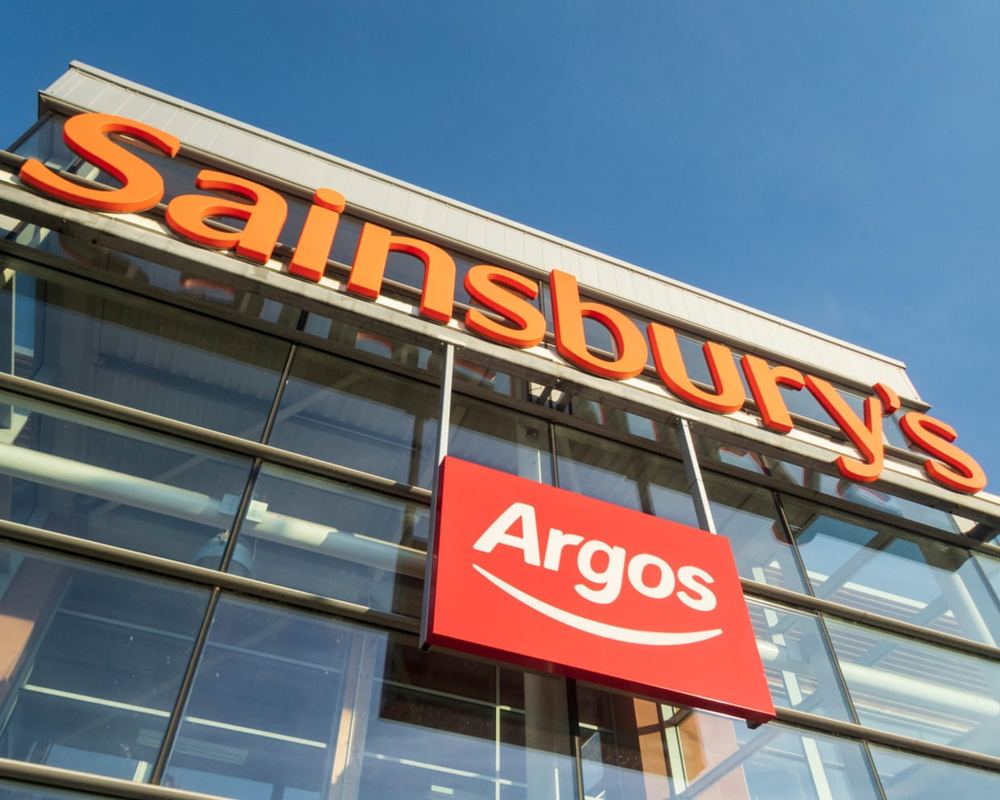
The UK's second-largest supermarket is offloading the catalogue retailer at roughly a tenth of its 2016 purchase price, retreating to a food-only strategy after a decade-long experiment in combined retail failed to pay off.
Sainsbury's confirmed on Friday that it will sell Argos to Swift Partners, a newly formed vehicle led by three retail veterans, for £120m. The price represents a fraction of the £1.3bn the supermarket paid in early 2016 when it acquired Home Retail Group, which included Argos and Habitat, in a bid to build a combined food and general-merchandise champion capable of competing with Amazon and John Lewis.
The buyers are Richard Pennycook, the former Co-operative Group chief executive who also steered Morrisons back from the brink after its disastrous Safeway integration; Trevor Strain, another ex-Morrisons executive; and Matt Truman. Pennycook said the group sees "real opportunities to invest and build" on Argos's mix of digital sales, standalone shops, stores-within-Sainsbury's and local fulfilment centres.
For Sainsbury's, the sale crystallises a strategic retreat. Chief executive Simon Roberts, who has pursued a "food first" agenda since taking the helm in 2020, said the deal allows the group to "focus all our resources and investment on the significant opportunities ahead" in groceries. He stressed it would be "business as usual" for Argos staff, customers and suppliers.
The transaction is expected to complete in early 2027, with the two businesses fully separated by early 2029. Argos will continue operating more than 660 UK shops, roughly two-thirds of them inside Sainsbury's stores, along with over 1,100 collection points. Long-term commercial agreements will govern the store-in-store format and the Nectar loyalty programme, while Habitat products will remain on sale under a brand licensing deal.
Investors welcomed the simplification. Sainsbury's shares rose more than 3% on the announcement. Clive Black, retail analyst at Shore Capital, noted that Argos had been a "suboptimal performer from a financial perspective" and questioned whether it was ever "wholly aligned" with the grocery business. He described the sale process as "challenging and prolonged," a characterization underscored by collapsed talks with a Chinese buyer last year.
The write-down reflects a broader reckoning in European retail. The cost-of-living squeeze has compressed already-thin non-food margins, making the cross-category model that Sainsbury's, and others, chased in the mid-2010s increasingly difficult to sustain. Shedding Argos removes a capital-hungry, low-margin operation from the group's balance sheet at a time when grocery rivals are investing heavily in price, logistics and own-label ranges.
Roberts told reporters he had been in discussions with Swift for months and called the outcome "a win-win," adding: "Each business will be able to build on its strengths."
Usdaw, the shopworkers' union, welcomed commitments to preserve Argos's multi-format model but urged that any future changes be "handled fairly, transparently and in consultation with employees and their union representatives."
For Pennycook, the deal is a return to operational turnaround work after years of stabilising troubled institutions. Whether Argos can thrive as an independent, digitally anchored retailer outside the shelter of a supermarket balance sheet will be one of the more closely watched experiments in British retail over the coming years.