Massive Attack's Mezzanine forged through band fractures and near-death ordeals
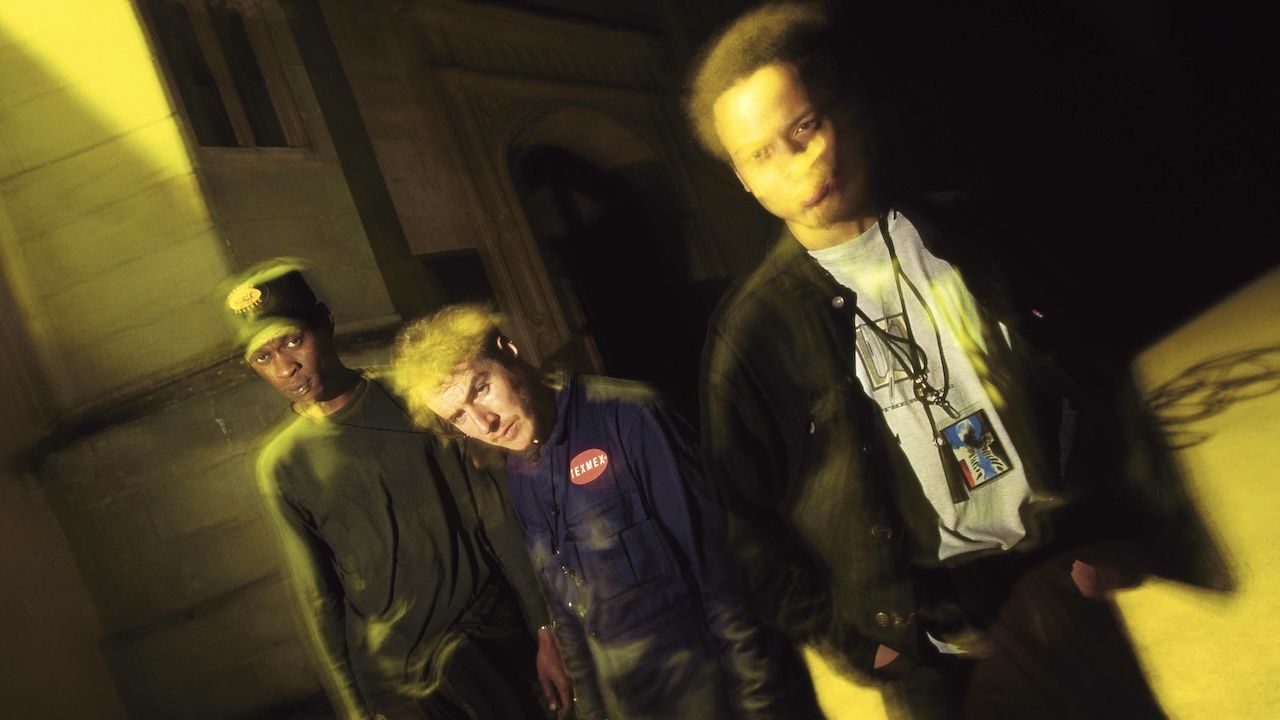
Newly detailed accounts reveal that Massive Attack’s landmark 1998 album Mezzanine was shaped by extreme internal conflict, isolated recording sessions, and life-threatening incidents.
New insights from co-producer Neil Davidge and frontman Robert Del Naja detail the severe internal fractures that defined the creation of Massive Attack’s 1998 album, Mezzanine. The Bristol trio nearly imploded while trying to escape the trip-hop label and establish a darker, post-punk identity.
The core members, Del Naja, Andrew Vowles, and Grant Marshall, could barely stand to be in the same room by the end of the process. To avoid direct confrontations, the musicians recorded their individual parts in isolation at Christchurch Studios. Manager Marc Picken even coordinated studio schedules via text message to guarantee the members would not cross paths.
Davidge noted that the intense arguments ultimately fueled the album's momentum and emotional connection. The tension peaked when Vowles pushed for Madonna to sing on the track Teardrop, a move Marshall later condemned as treachery that ultimately drove Vowles out of the group.
Management secured a secondary recording space in a Cornwall holiday cottage to diffuse the mounting tensions. During a break, Del Naja and guitarist Angelo Bruschini nearly drowned when the rising tide trapped them inside a local cave.
The album's bleak atmosphere was also shaped by profound external tragedies. Cocteau Twins vocalist Liz Fraser recorded her iconic vocals for Teardrop on the exact day she learned of her former partner Jeff Buckley’s death, imbuing the track with raw grief.
Despite the severe dysfunction, Mezzanine reached number one on the UK album chart and sold two million copies globally, proving the commercial viability of experimental electronic music. It successfully redefined the group's sound, trading the accessible trip-hop of their earlier work for an abrasive aesthetic that finally broke them in the lucrative US market. The record's pioneering sense of invention set a new benchmark, demonstrating that alternative acts could achieve mainstream financial success without compromising their artistic integrity.
The band continued to push musical boundaries after Vowles departed, though they rarely matched the commercial heights of their third record. Del Naja maintains that the album's enduring legacy lies in its exploration of liminal spaces, rather than serving as a nostalgic relic. He insists that performing the record today avoids 1990s nostalgia, focusing instead on the conceptual space between reality and illusion.