Germany's voluntary army push draws 530 recruits against 80,000 goal
Seven months into its new voluntary military service, the Bundeswehr has signed up fewer than 600 troops, reviving pressure on Berlin to reintroduce conscription and raising fresh doubts about Europe's largest economy delivering on its defence promises.
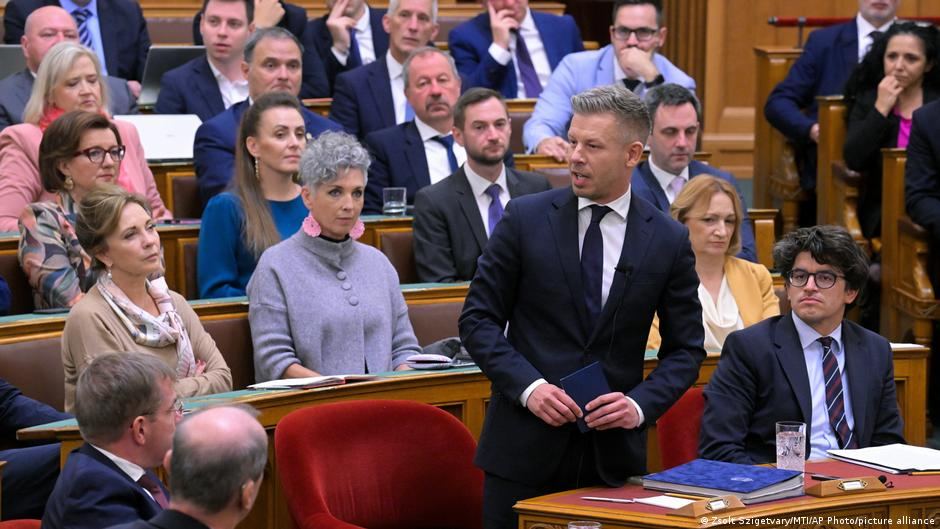
Germany's attempt to rebuild its armed forces through voluntary recruitment has stalled. Since January, when the Bundeswehr began mailing questionnaires to 18-year-olds under the Military Service Modernisation Act, only 530 young men and women have committed to military service, according to recent media reports. The official target is 80,000 new active-duty personnel, bringing the force to 260,000, plus 200,000 reservists.
The gap is stark. More than 300,000 questionnaires have gone out so far, part of a plan to reach roughly 650,000 young people this year. The 530 sign-ups represent about 0.7 percent of the recruitment goal. Meanwhile, at least 5,862 respondents told the army they would refuse service outright, a figure ten times the number who volunteered, according to Süddeutsche Zeitung.
A political fault line reopens
Defence Minister Boris Pistorius designed the voluntary model as a first step, but warned from the outset that if volunteer numbers fell short, there would be "no choice but to introduce partial conscription." The law passed in December 2025 already mandates medical examinations for 18-year-old men starting in July 2027 and contains a mechanism to restore compulsory service if recruitment continues to lag.
Some politicians now argue that moment is approaching. Klaus Naumann, the Bundeswehr's former Inspector General, said in a recent statement that he expects the current voluntary rules to be replaced by conscription. A senior MP has suggested Germany could revive the draft by mid-2027.
The stakes extend beyond Germany. Berlin's military build-up is central to Europe's broader push for defence sovereignty, driven by heightened concern over Russian aggression and questions about the reliability of American security guarantees. If the continent's largest economy cannot staff its own army, the credibility of European-led deterrence suffers.
A generation pushes back
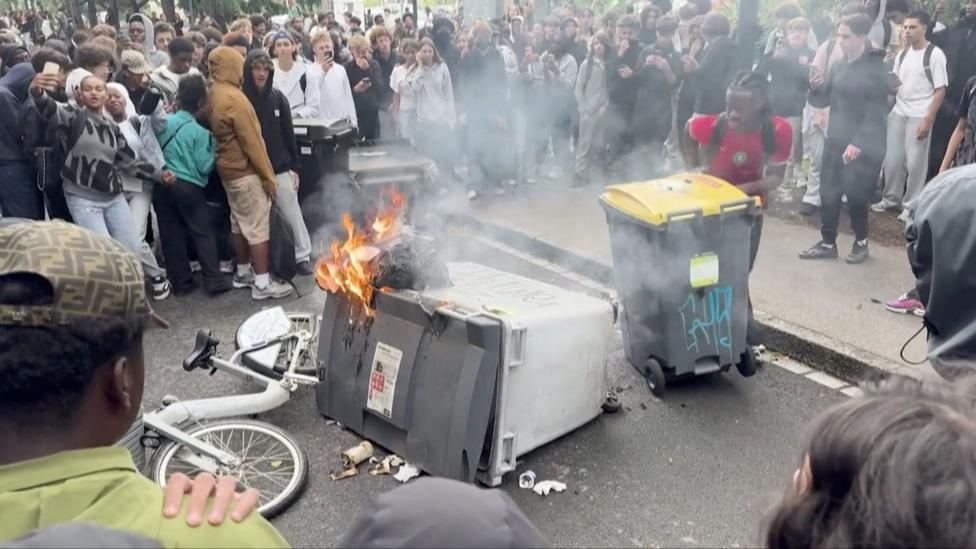
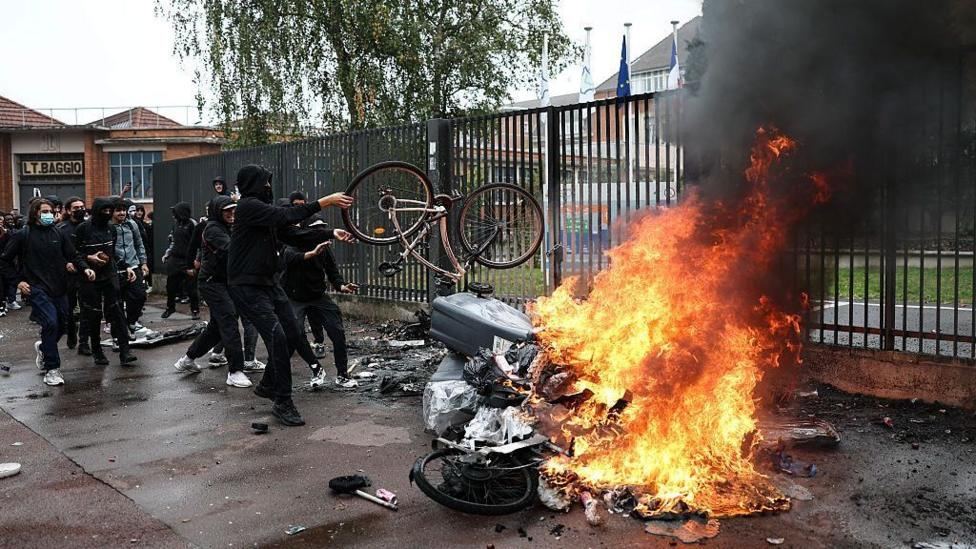
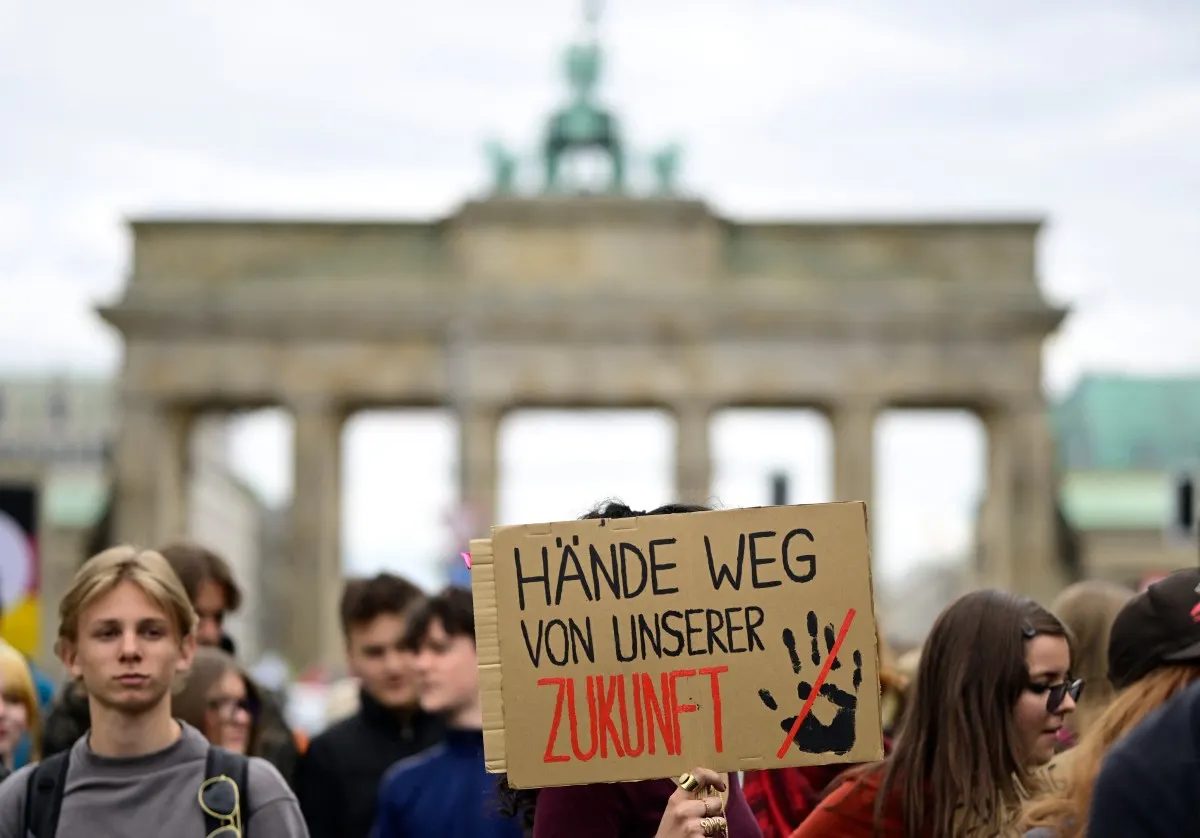
The debate has spilled into the streets. Tens of thousands of students have joined repeated "School strike against conscription" rallies, carrying slogans such as "We are not dying for your war." The protests also produced the crude chant directed at Chancellor Friedrich Merz, "Merz leck Eier," which has become shorthand for youth resistance to the government's defence agenda.
Not every young German is rejecting the call. An 18-year-old recruit told Süddeutsche Zeitung he did not join to serve Merz, but to serve his family, freedom, democracy and "everything that makes us German." Another 20,000 men born in 2008 indicated they would consider military service without yet committing, a pool the Bundeswehr may still reach.
Whether that pool is deep enough to avoid a return to the draft is now the defining question. For European partners watching Berlin's numbers, the answer will shape how much of the continent's security architecture rests on German soldiers rather than German budgets alone.