Swedish Court Convicts Military Consultant of Espionage for Russia
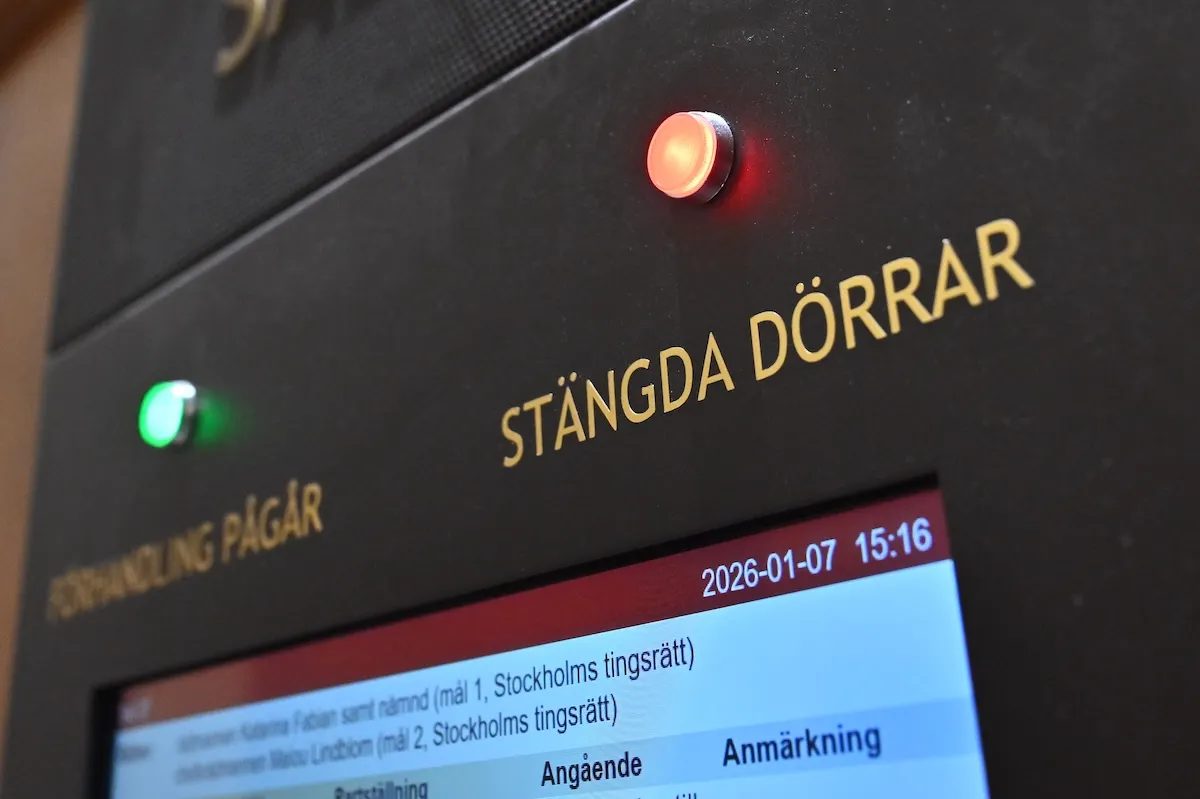
A former army computer consultant has been convicted of attempting to sell state secrets to Russian intelligence, underscoring the persistent insider threats facing European defense networks.
A Swedish court has convicted a former military computer consultant of espionage after he attempted to trade state secrets to Russian intelligence agencies. The 34-year-old defendant traveled to Moscow in November of last year to deliver classified information obtained during his work for the Swedish army.
Prosecutors established that the man, identified in court documents only as R.T., directly contacted both the FSB and the GRU. He offered to hand over military secrets in return for Russian nationality and special protection from the state.
To facilitate his defection, the consultant used artificial intelligence to generate a formal request. The AI-assisted document was explicitly titled "Petition for Military Protection via GRU Pathway" and detailed his reasons for seeking asylum.
The court acknowledged that R.T. is suffering from a serious mental disorder. The three-day trial was held mostly behind closed doors to protect sensitive information. Throughout the proceedings, the defendant consistently denied the espionage charges against him.
The verdict arrives as Swedish authorities maintain a high state of alert regarding foreign infiltration. SAPO, the national intelligence service, has formally identified Russia as the main military and intelligence threat to Sweden.
Beyond the espionage conviction, the former consultant faces severe additional legal jeopardy. He is currently under active investigation for conspiracy to commit murder, adding another layer of complexity to his criminal profile.
For European defense networks, the incident highlights the vulnerabilities inherent in utilizing external computer consultants. Protecting military data from insider threats remains a critical operational challenge as geopolitical friction continues to escalate across the continent.
The intersection of automated technology and state-sponsored espionage introduces new variables for security agencies. Monitoring how individuals leverage artificial intelligence to communicate with hostile entities like the GRU will likely shape future counterintelligence strategies in Sweden.