FIFA fast-tracks 64-team World Cup study despite UEFA opposition
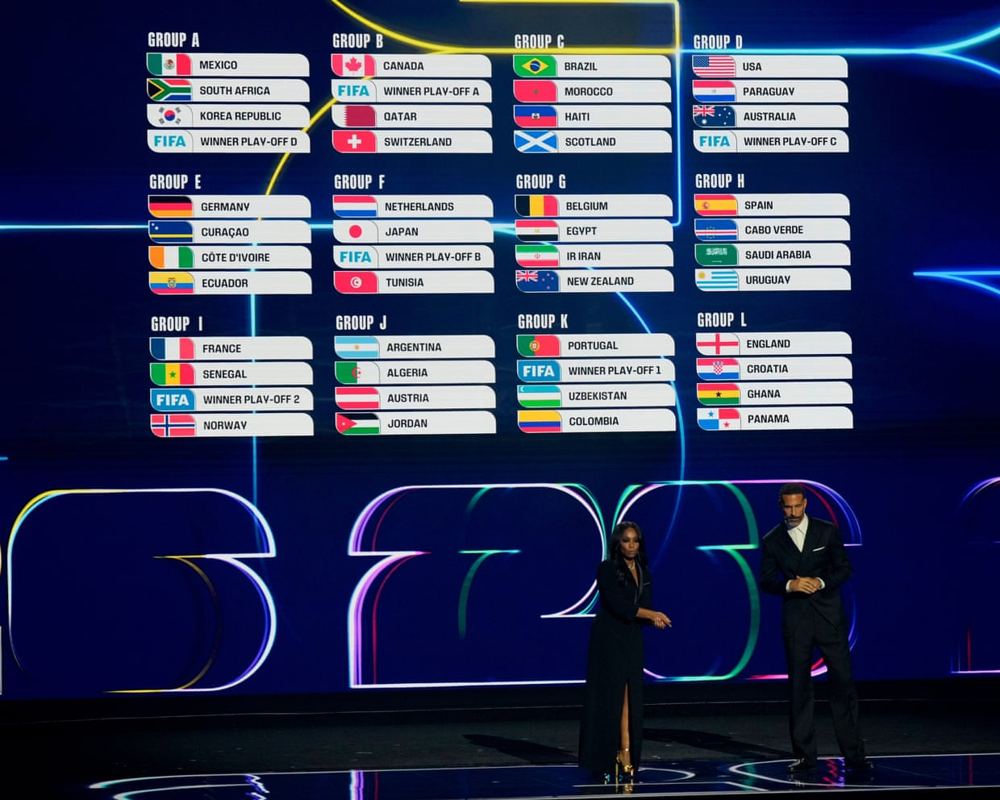
FIFA has launched a four-week research tender to assess expanding the World Cup to 64 teams by 2030, bypassing its own member associations and defying vocal opposition from UEFA, whose members Portugal and Spain are set to co-host the tournament.
FIFA has opened a tender to commission an economic impact study on expanding the World Cup from 48 to 64 teams, with a compressed timeline that suggests a decision could be taken before the end of this year. The governing body requires the successful research agency, to be selected on 14 August, to deliver its full analysis by 11 September.
The speed of the process is striking. Agencies had until 7 August to submit proposals, and just four weeks will be allocated for the actual research. Member associations were not informed about the tender before it was issued, a governance gap likely to sharpen existing criticism of FIFA's decision-making under Gianni Infantino.
A European tournament caught in the crossfire
The 2030 World Cup is primarily hosted by Morocco, Portugal and Spain, with anniversary fixtures scheduled in Argentina, Paraguay and Uruguay. An expansion to 64 teams would almost certainly guarantee each of the six nations at least an entire group stage, fundamentally reshaping the logistics of a tournament already spread across two continents.
For UEFA, the move lands in the middle of a wider confrontation with FIFA. The European confederation has already pledged to boycott future tournaments if Infantino proceeds with separate plans to sell portions of World Cup commercial rights to private investors, details of which emerged this week. The 64-team push is expected to deepen that rift.
UEFA and the North American body Concacaf have been vocal in opposing any further enlargement. FIFA's decision to press ahead regardless signals a willingness to overrule its two wealthiest confederations.
The commercial logic
The tender document makes the financial motivation explicit. It instructs the chosen agency to calculate "the estimated revenue the ticketing, sponsorship and media rights revenues that would be generated in total and specifically by the 64-team format," and to assess the change "through the eyes of the football ecosystem."
The brief also asks for analysis of player welfare, product quality, the international calendar, and which stakeholders might resist or support the expansion. That last requirement reads less like genuine consultation and more like preparation for a lobbying campaign.
A format barely tested
The 48-team format debuted only this summer, at the 2026 finals. Between 1998 and 2022, 32 teams competed. Moving to 64 teams would make the current structure the shortest-lived format in the tournament's modern history.
Infantino said on 12 July that expansion was "an issue that will be looked at and discussed in the relevant committees after this World Cup." The push has been driven most publicly by Conmebol and its president, Alejandro Domínguez, who raised the idea again after the 2026 finals ended.
The four-week window for a study of this magnitude will do little to reassure those who already question whether FIFA's governance serves football or its balance sheet. FIFA was approached for comment but had not responded at the time of writing.