Ceuta mass crossing fractures EU unity as Italy suspends Schengen with Spain
After roughly 60,000 people entered the Spanish enclave from Morocco in days, the political fallout has exposed deep divisions over Schengen, border control and migration governance across the bloc.
An estimated 60,000 people, almost all young Moroccan nationals, crossed into Spain's North African enclave of Ceuta over a few days around 30 July, breaching border barriers or swimming along the coast. At least 72 died from drownings and a stampede near the breakwater fence, according to local authorities.
The flow overwhelmed a city of 83,500 residents. Ceuta's leader Juan Jesús Vivas described "absolute chaos" and called for a national state of emergency. A spokesperson for the humanitarian group No Name Kitchen said border forces were simply "outnumbered" and that arrivals showed no sign of slowing.
Spain responded by deploying troops and accelerating returns. Prime Minister Pedro Sánchez called the episode "an attack and a violation" of Spain's territorial integrity. By Friday evening, the interior ministry said 48,300 people had voluntarily gone back to Morocco, with fewer than 2,000 remaining in the enclave.
Schengen under strain
The crisis was contained in Ceuta within days, but its political shockwave travelled fast. Italian Prime Minister Giorgia Meloni suspended Italy's Schengen agreement with Spain on Friday evening, reinstating border controls for a month. Leaders in Denmark, Finland and the Czech Republic joined calls for Spain's removal from the free-movement zone.
French Interior Minister Laurent Nuñez activated France's Rapid Intervention Border Force for in-depth checks at the Spanish border. Swedish Prime Minister Ulf Kristersson urged Madrid "to regain control of the situation and fulfil its commitments within Schengen cooperation," warning Stockholm stood ready to act if its own security were affected.
In a joint letter on Sunday, 22 of the 27 EU member states demanded "coordinated action and the strengthening of external borders," insisting that uncontrolled crossings and "the instrumentalisation of migration" must not create the perception that illegal entry can lead to legal residence.
Sánchez pushes back
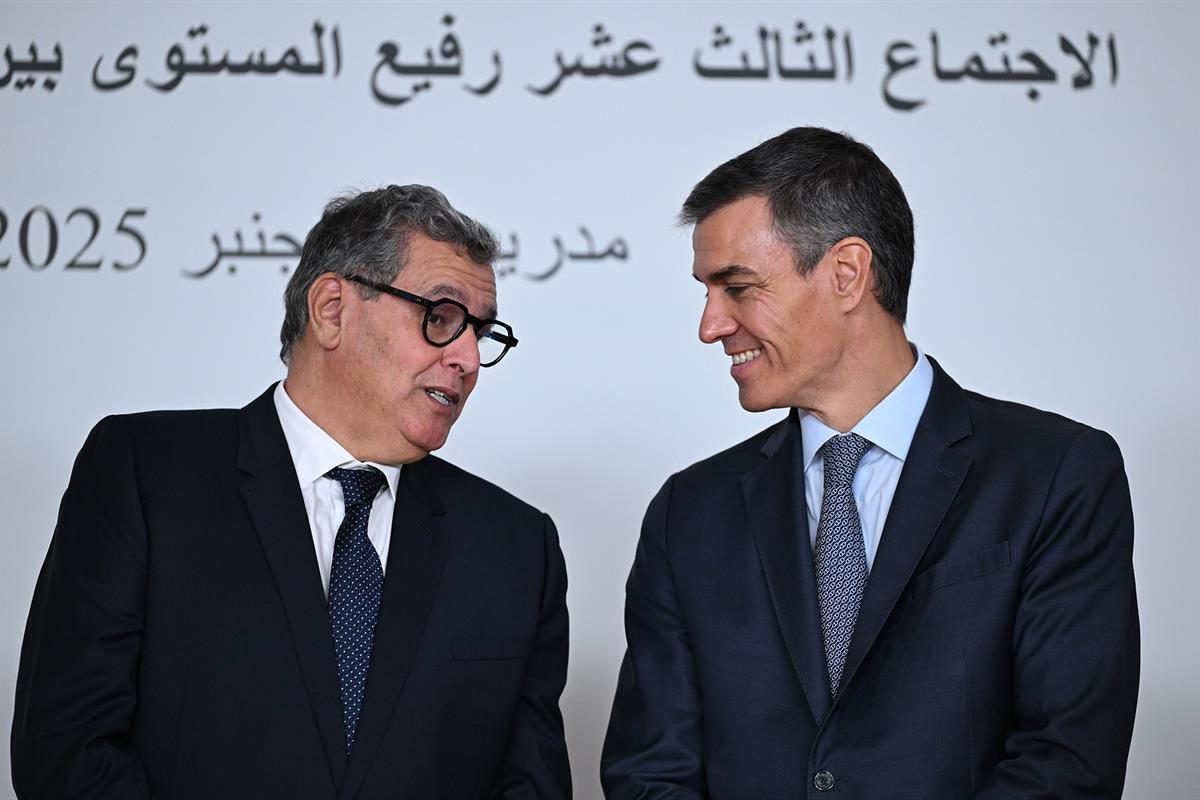
Sánchez struck a combative tone toward his European counterparts. In a letter on Saturday, he accused several governments of acting on the basis of "prejudice and fake news or for their own political interests."
EU Commission President Ursula von der Leyen called the images from Ceuta "unacceptable" and said dangerous crossings "must stop immediately." But the Commission sought to limit the political damage, noting there had been no onward movement from Ceuta into mainland Spain or the wider EU and describing the enclave's border as "Spain's responsibility."
Brussels also pointed to its relationship with Rabat, calling Morocco "a key and trusted partner" and noting intensified cooperation on migration and anti-smuggling. Morocco features on the EU's safe-countries list, meaning Moroccan nationals have limited grounds for asylum claims in Ceuta. The Commission said it is working to upgrade the bilateral relationship into a comprehensive strategic partnership.
What comes next
EU interior ministers are scheduled to hold extraordinary talks online on Tuesday. The Commission said it remains in close contact with both Spanish and Moroccan authorities to prevent a repeat.
For European policymakers, the episode is less about the 2,000 people still in Ceuta than about what the crisis revealed: how quickly a localised border event can trigger unilateral Schengen suspensions, recriminations between capitals, and demands to redraw the rules of free movement. The question heading into Tuesday's meeting is whether the bloc can agree on a common response before the next surge.