Sweden to fund free chickenpox vaccines for children from 2027
Sweden is adding a free chickenpox vaccine to its national child immunisation programme, a 43 million kronor annual investment aimed at reducing parental work disruptions and curbing antibiotic resistance.
The Swedish government decided on Thursday to introduce a free chickenpox vaccine for children, committing 43 million kronor per year to the programme starting in 2027. The policy change, made via an update to the infectious disease control ordinance, will administer the vaccine in two separate doses.
Children will receive the first dose at 18 months of age through the country's network of child health centres. The second dose will be given when they are between seven and eight years old, administered through school student health programmes.
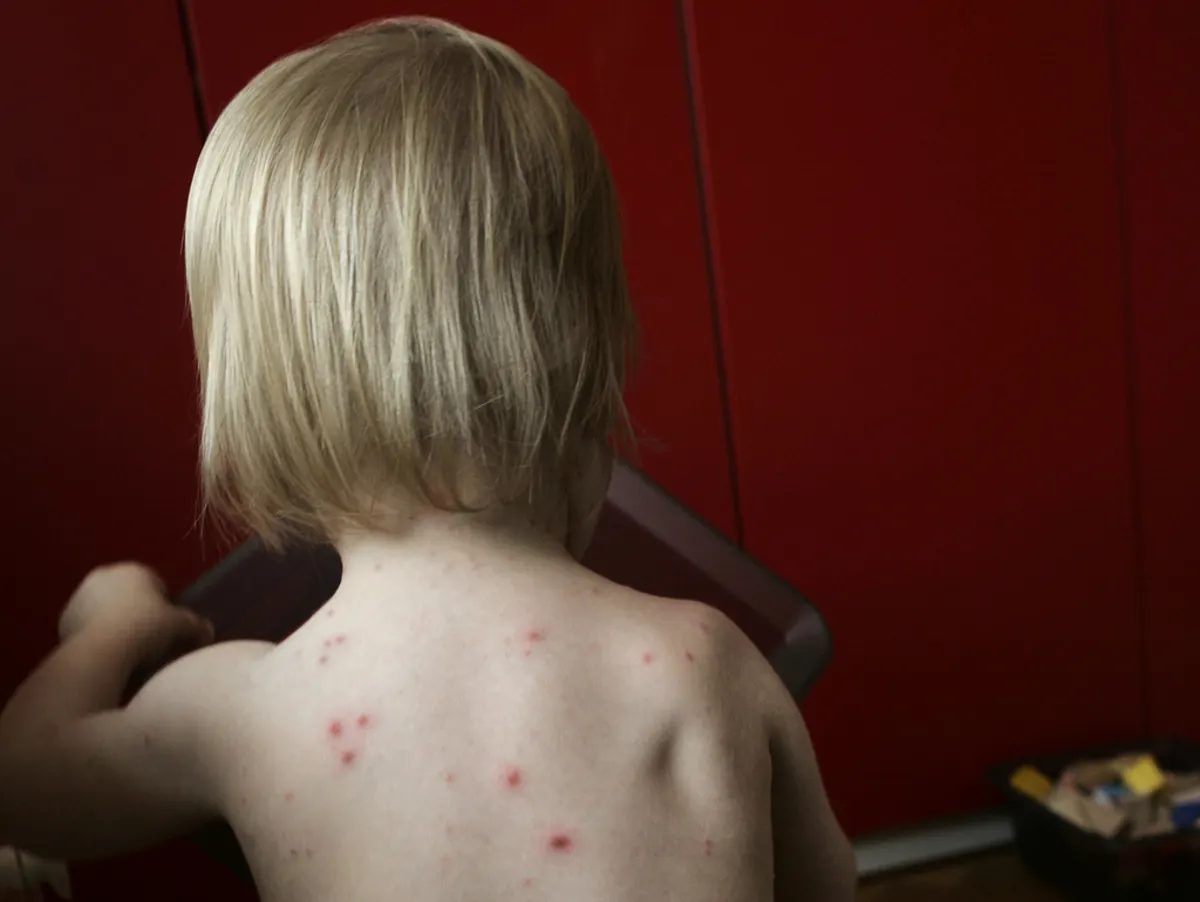
Beyond the direct health benefits, the initiative targets economic and public health efficiencies. Chickenpox is a highly contagious disease that typically strikes preschool children, beginning with fever and body aches before progressing to itchy blisters on the trunk, face and scalp. "For the parents it means a lot of trouble," said Minister of Social Affairs Jakob Forssmed of the Christian Democrats, highlighting the often-overlooked workforce disruptions caused by childhood illness.
The decision also addresses the broader European push to combat antibiotic resistance. Skin blisters caused by the disease can become infected, which may require antibiotic treatment. "If we can avoid it, then we can also reduce antibiotic resistance. So this is positive in many ways," Forssmed said.
To prevent older children from contracting the illness later in life, the state is financing a temporary catch-up effort. This will offer vaccinations to children aged five to 17 who do not yet have immunity. Children who are older than 18 months when the permanent programme begins are otherwise not covered by the standard rollout.
This temporary catch-up measure carries a separate price tag: 49 million kronor in 2027, rising to 51 million kronor annually from 2028 through 2032.
The government has structured the rollout through an initial three-year agreement with the Swedish Association of Local Authorities and Regions (SKR). "We have signed an agreement with the Swedish Association of Local Authorities and Regions (SKR) that runs for three years. After that, we have probably come a long way in terms of eradicating the disease," Forssmed said.
He noted that while routine vaccinations will run permanently, the catch-up programme will continue for several years beyond the initial agreement. Eradicating the disease would also eliminate the long-term risk of shingles, a painful condition caused when the dormant virus reactivates in nerve cells later in life.
"All children should receive this protection. It feels urgent, because it is a rather prolonged, painful disease," Forssmed added.