Tesla weighs China spinoff to clear path for SpaceX merger
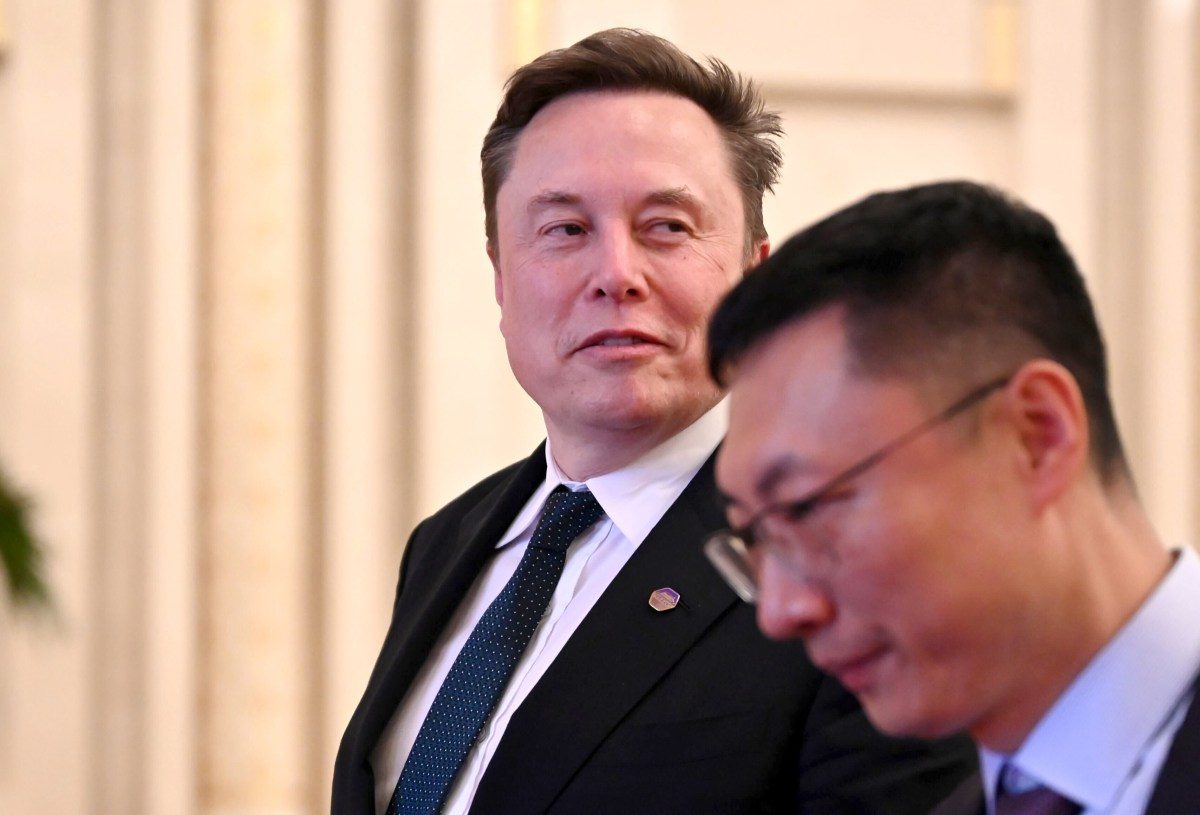
Tesla is reportedly preparing to spin off or sell its dominant Chinese operations to facilitate a merger with defense contractor SpaceX, risking a crucial production hub that supplies vehicles to Europe.
Tesla is reportedly considering a complete separation of its Chinese business to clear the regulatory path for a potential merger with SpaceX. Executives have allegedly been instructed to prepare for a spinoff, sale, or outright closure of the company's operations in the country.
This corporate restructuring could happen relatively quickly because the operational groundwork is already in place. Chief Executive Elon Musk previously ordered his leadership team to draft detailed contingency plans for a separation in the event that Beijing invades Taiwan.
The primary driver for this drastic move is the status of SpaceX as a defense contractor. Merging the automaker with the rocket company would require strict adherence to national security regulations and citizenship rules, which are heavily complicated by deep corporate ties to Beijing.
Divesting from the region would represent a massive strategic and financial concession for the electric vehicle pioneer. The country has evolved into the absolute backbone of the company's global operations, functioning simultaneously as a massive consumer market and a vital production hub.
These local production facilities do not just supply domestic buyers; they serve as a primary export hub for the rest of Asia and Europe. Severing this link would force the automaker to radically restructure its international supply chain and rapidly find alternative capacity on other continents.
For European consumers and automotive markets, the potential split introduces significant supply chain uncertainty. Vehicles destined for the European market rely heavily on the efficiency and scale of the Chinese production lines, meaning any disruption could delay deliveries and inflate prices.
For global investors, the prospect of carving out the company's most prolific manufacturing base creates immense valuation risk. Losing direct control over these critical production facilities could severely squeeze overall profitability and complicate the brand's ability to meet international delivery targets.
Ultimately, aligning the automaker with a defense contractor might require sacrificing its most important industrial asset. The situation highlights the growing friction between globalized commercial supply chains and the strict national security demands of modern military contracting.