AI art floods metal scene as Fear Factory's 1998 warning rings true

Generative tools like Suno are saturating the music industry with synthetic art and audio, lending new urgency to a 28-year-old concept album about resisting machine rule.
AI-generated album covers, gig flyers and lyric videos are proliferating across the metal scene, with bands including Bay Area thrash act Forbidden and power metal newcomers the Scepter recently releasing AI-generated visuals alongside new music. Suno-made tracks and prompt-written artwork have become a daily presence on genre platforms, prompting vocal backlash from fans and musicians who see the tools as a shortcut that devalues human craft.
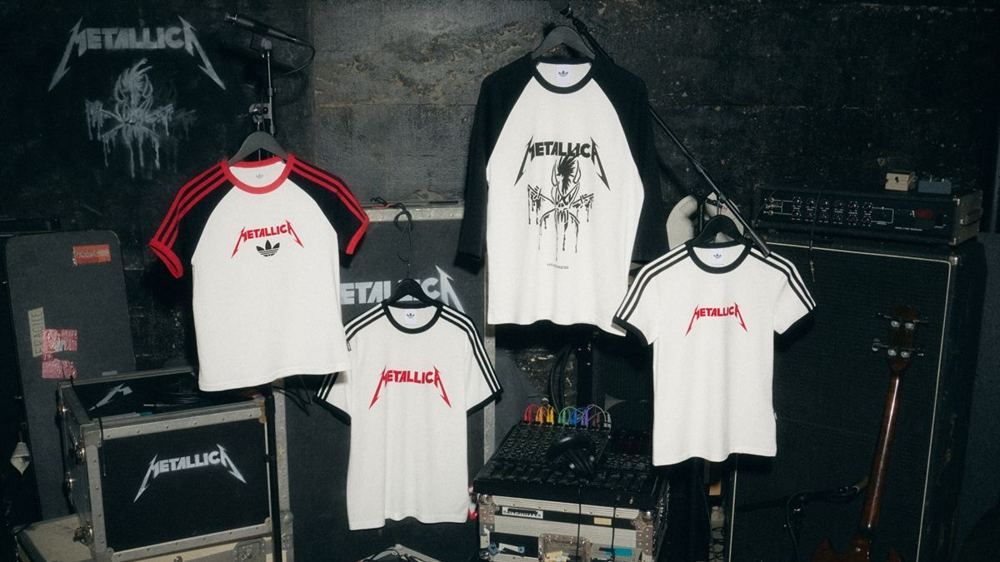
The backlash has not slowed adoption. AI imagery now appears on merchandise and stage backdrops at live shows, and defenders of the technology argue it is simply another tool that cannot be ignored. The result is a polarised creative community in which neither side appears to be changing the other's mind.
The economic stakes extend well beyond one genre. The global economy is increasingly wagering on the commercial success of generative AI, an industry whose stated aim is to automate tasks previously performed by human workers. Creative fields, illustration, copywriting, music production, are among the first to feel the pressure, and the profits, should they materialise, are expected to concentrate at the top of the value chain.
It is against this backdrop that Fear Factory's 1998 concept album Obsolete has found a new resonance. Set in 2076 under an AI-led police state, the record follows a human resistor called the Edgecrusher as he evades the Securitron force and its enforcer bot, the Smasher/Devourer. New wave icon Gary Numan delivers the album's defining spoken-word line, declaring "Man is obsolete, erased, extinct."
The Los Angeles band, founded in 1990 by guitarist Dino Cazares and drummer Raymond Herrera with vocalist Burton C. Bell, had been building toward that thesis from the start. Their 1992 debut, Soul Of A New Machine, took its name from Tracy Kidder's Pulitzer-winning book about the race to build a next-generation computer. Three years later, Demanufacture married death-metal aggression to industrial precision, with a Dave McKean cover depicting a human spine split between barcode and bone.
Obsolete remains the clearest articulation of the band's argument. Bell's lyrics insist on compassion and free thought as the only defences against technological subjugation, closing with the plea: "Without compassion, man will certainly become obsolete." Christian Olde Wolbers' bass work on the record freed Cazares to focus on guitar, and the album is widely regarded as the group's creative peak.
A genre in combat with its own tools
Metal has a long history of interrogating technology, from Voivod's "Killing Technology" and Judas Priest's "Electric Eye" in the 1980s to industrial acts like Godflesh, Ministry and Anaal Nathrakh, who used samples and machines to sound like humans fighting their own instruments. Fear Factory distinguished themselves by making that combat the explicit subject of every record.
The irony is not lost on observers that the genre's most celebrated techno-sceptics emerged from the same city now synonymous with AI capital. As data centres multiply, straining water supplies and generating noise complaints from surrounding communities, the questions Obsolete posed in 1998 have become the questions of the present quarter.