Chilean mummy DNA confirms Europe brought smallpox to Americas
Genetic evidence recovered from Chilean remains provides the first definitive proof that European colonisation introduced smallpox to the Americas, a demographic catastrophe that reshaped the continent's economic and political trajectory.
Analysis of DNA extracted from mummified remains in northern Chile has yielded the oldest confirmed smallpox genome in the Americas, offering molecular proof that European colonisers introduced the virus to the continent.
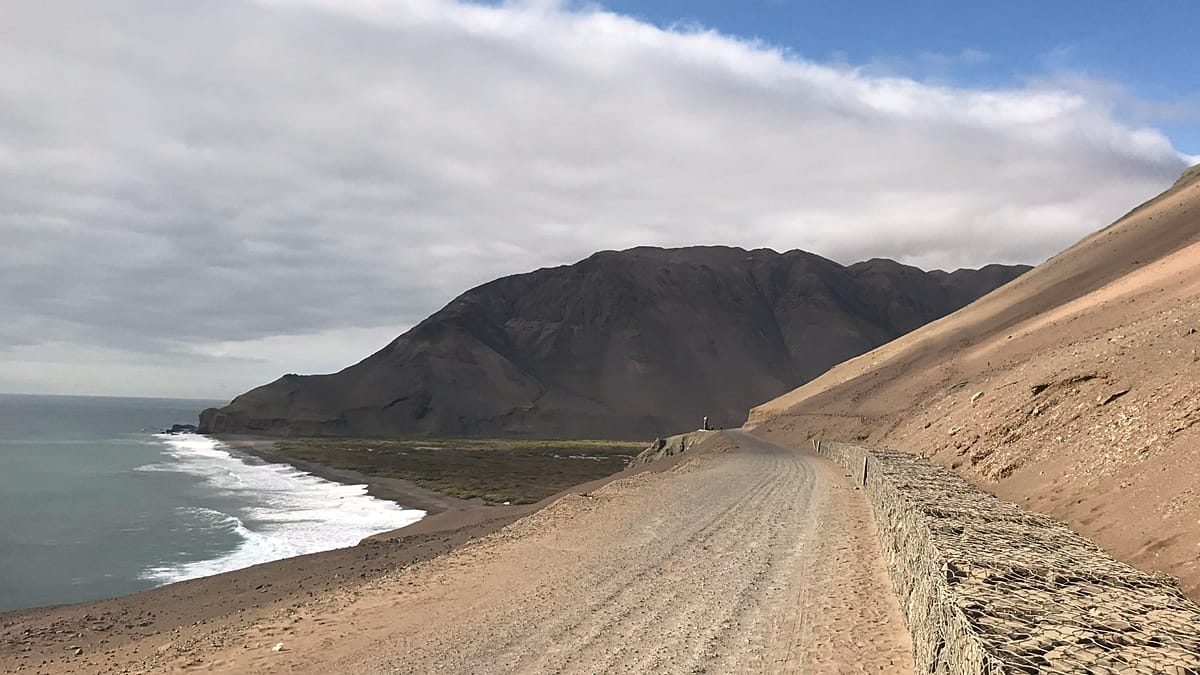
Researchers from Trinity College Dublin examined 13 bone samples from an archaeological site in Camarones. They identified the virus in the leg bones of a man and a woman, both aged between 18 and 35, who likely died from the disease between 1492 and 1631.
The significance of the discovery lies in its genetic timeline. The viral strain recovered from the Chilean remains sits precisely between medieval European smallpox variants and later global strains. This confirms that the infections devastating Indigenous populations descended directly from European pathogens rather than emerging independently.
Smallpox killed roughly a third of those it infected before its eradication in 1980. When it arrived in the Americas, starting with the historically documented 1518 outbreak in the Caribbean during the Spanish conquest, the lack of prior immunity caused millions of deaths. This massive demographic collapse created an economic and political vacuum that European powers were quick to exploit, permanently altering the trajectory of the modern global economy.
The study, published in the journal Science, does not pinpoint the exact European population responsible for carrying the virus across the Atlantic. The infection may have arrived with early settlers following the 1492 voyages of Christopher Columbus. Alternatively, it could have been transported via the transatlantic slave trade from Africa.
The presence of the virus in a remote part of South America with no prior historical record of smallpox also raises questions about its overland transmission. Scientists suggest the pathogen may have exploited pre-existing Indigenous trading networks to reach populations far from initial coastal contact points.
“Nobody would ever question that smallpox came to this hemisphere from colonisation, but this proves it,” said Patricia Foster, an Indiana University biologist uninvolved in the study. Coauthor Constanza de la Fuente Castro, a biological anthropologist at the University of Chile, emphasized the physical legacy of this devastation. “It wasn't just cultural or demographic. It's literally written into biological evidence that we can still recover and read today,” she said.