Shell kept Niger Delta pipeline running despite staff warnings, court papers show
Internal documents disclosed in a UK lawsuit reveal Shell exempted its Nigerian subsidiary from global safety standards to keep oil flowing through theft-damaged pipelines, prompting calls for Dutch and UK regulatory probes.
Internal Shell documents disclosed in an ongoing UK court case show the company continued operating a major Nigerian pipeline for years after its own engineers warned that widespread illegal oil theft was causing extensive spills across the Niger Delta. The papers, analysed in a report published this week by Amnesty International and seven partner organisations, were filed as evidence in a 2015 lawsuit brought by the Nigerian communities of Bille and Ogale.
For European investors and regulators, the disclosures raise uncomfortable questions about a company listed in London and long headquartered in The Hague. Campaigners are now calling on both the Dutch and UK governments to investigate whether Shell breached financial market rules by publicly claiming adherence to global environmental and safety standards while simultaneously exempting its Nigerian subsidiary from them between 2013 and 2016.
Warnings overruled
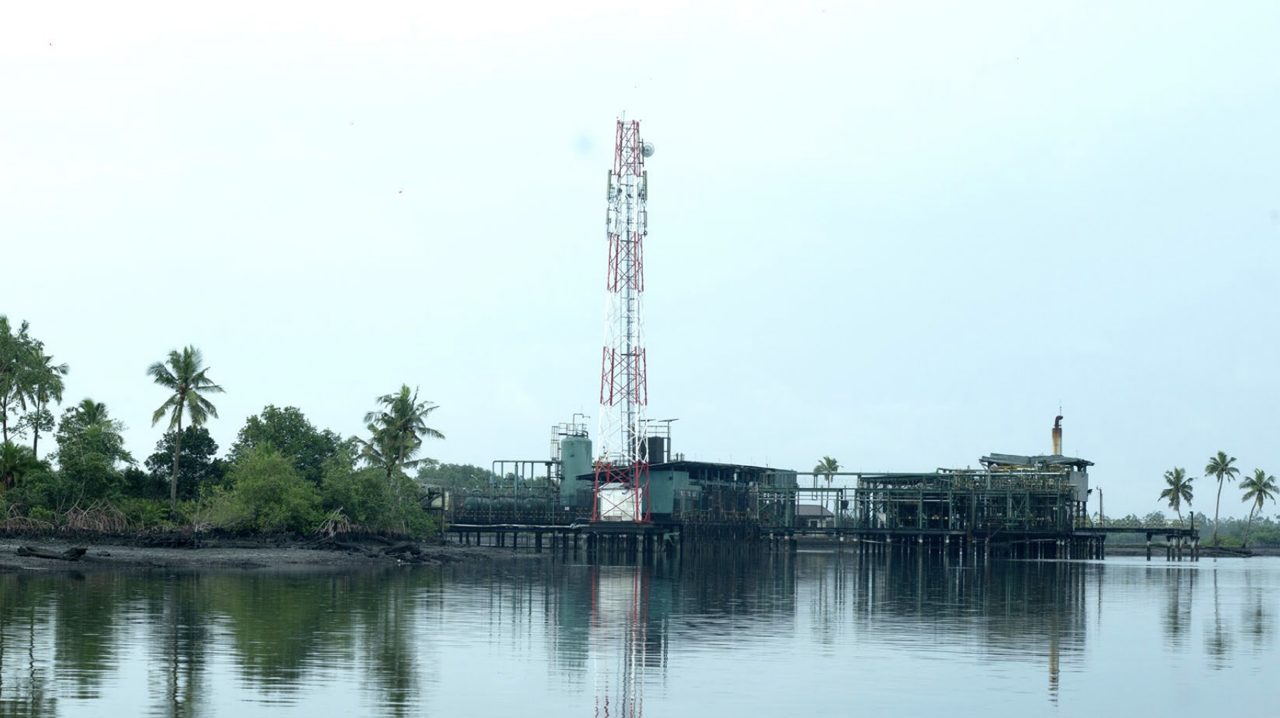
The documents centre on the Nembe Creek Trunk Line near Bille in Rivers State, a pipeline capable of carrying 150,000 barrels of crude a day. As early as 2008, Shell's then technical vice-president for the region, Markus Droll, told colleagues that keeping the line open made him "pretty uncomfortable." Regional executive vice-president Ann Pickard overruled him, stating that continuing operations was "the lower risk to both people and environment," and instructed him to mark his objection as legally privileged so it could not be disclosed in future litigation.
By 2012, staff visits to four theft sites near Bille recorded what an internal report called the "massive impact of oil theft activities." A year later, a senior working group codenamed "Project Madrid" identified 100 illegal refineries along the pipeline route and posed a blunt question to staff: whether they were "comfortable to continue producing, KNOWING that further environmental damage WILL occur?"
The group calculated that shutting the line would cost $194m in the first year and up to $389m over two. Shell chose to keep pumping, setting a threshold of 250 barrels leaked per month before a shutdown would be triggered. Internal audits from 2013, however, found that Shell's Nigerian subsidiary, SPDC, lacked real-time leak monitoring across much of its network, meaning only major ruptures would register.
Parent company involvement
Shell has consistently maintained that its parent entity played no role in Nigerian operational decisions. The claimants' lawyers dispute this, pointing to a weekly "Crude Oil Theft Decision Review Board" at parent-company level that approved pipeline shutdowns, spending and risk tolerances.
Shell ultimately sold SPDC to a Nigerian-led consortium, Renaissance Africa Energy, in 2025, sidestepping decommissioning and clean-up liabilities that Shell's own prior estimates valued at $10.9bn. Renaissance had no financial track record and required Shell to lend it up to $1.2bn to close the transaction. Nigeria's oil regulator had raised doubts about the buyer's capacity, but the deal proceeded after personal intervention by the country's president.
What comes next
In response to the report, Shell said it did not reflect the "challenging operating environment" in the Delta at the time and that SPDC had worked with Nigerian authorities and local communities on spill clean-up. The company's lawyers, it added, will defend the case "vigorously" at trial, with hearings scheduled to begin in March 2027.
The outcome will be watched closely in European capitals, where the case intersects with tightening rules on corporate environmental disclosure and the credibility of ESG commitments made to shareholders.