Drifting SpaceX rocket to strike moon amid growing debris concerns
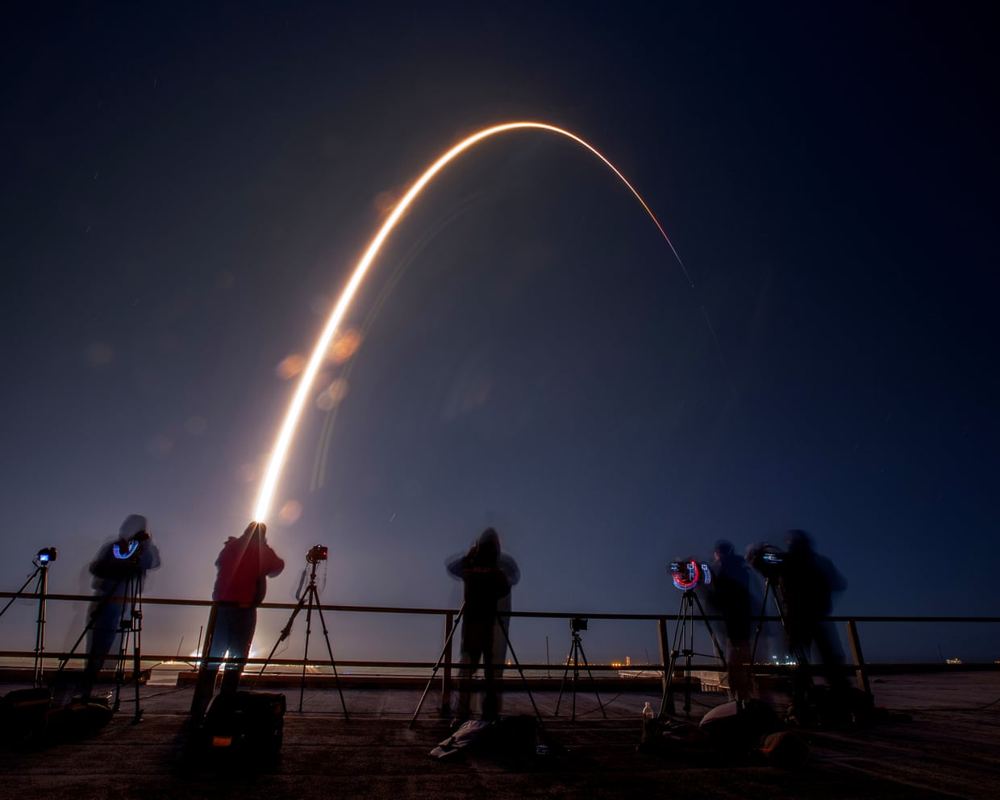
An abandoned SpaceX rocket stage is on an accidental collision course with the moon, underscoring the escalating regulatory and safety challenges of a rapidly expanding commercial space economy.
A drifting SpaceX rocket upper stage is on an accidental collision course with the moon following a launch of lunar landers over a year ago. The heavy booster will strike near the Einstein Crater on the lunar surface this Wednesday.
Space tracking expert Bill Gray predicts the impact will occur at 5,400mph, roughly seven times the speed of sound. The collision will carve out a crater and release energy equivalent to three tons of TNT explosives.
The commercialization of deep space has outpaced the development of standardized disposal protocols for heavy launch vehicles. Space experts note the crash could have been avoided if the upper stage had simply been nudged into a safe orbit around the sun.
"Things are getting crowded up there," Gray said, pointing to the escalating volume of hardware occupying orbital pathways. This marks only the second time a dead rocket is known to have accidentally crashed into the moon, following a Chinese rocket segment that struck the lunar far side in 2022.
The impact will happen on the moon’s near side, though the initial flash will likely be too dim for observers on Earth. However, the ejected stream of dust and rubble is expected to stretch for several miles and remain visible to telescopes for tens of minutes.
Benjamin Fernando of the Los Alamos National Laboratory highlighted the unique environment of the lunar surface. "Gravity on the moon is low and there is no wind to blow the dust away," he said.
Fernando noted that studying the aftermath is crucial for the safety of upcoming commercial and state-sponsored missions. "Part of the reason for our interest in this event is to figure out how much of a hazard debris impacts pose to future astronauts," he added.
Fernando anticipates the crash will leave a crater nearly 90ft across and 16ft deep. While too small to see from Earth, the site will be closely monitored by commercial and state actors mapping the lunar surface.
NASA’s Lunar Reconnaissance Orbiter and South Korea’s Danuri lunar orbiter are scheduled to capture before-and-after imagery of the crash scene. As private companies and national agencies increase their lunar footprint, managing deep-space hardware disposal will become a critical operational and regulatory requirement for the industry.