Generative AI market splinters as ads and older users reshape the sector
The generative AI sector has fragmented into a multi-polar market defined by mainstream adoption and advertising, forcing companies to urgently rethink how consumers discover their brands.
The era of a single dominant AI search product has ended, replaced by a rapidly splintering market. Generative AI websites drew 9.5 billion monthly visits globally between June 2025 and May 2026, a 70 percent increase, while app downloads surged 58 percent to 4.4 billion.
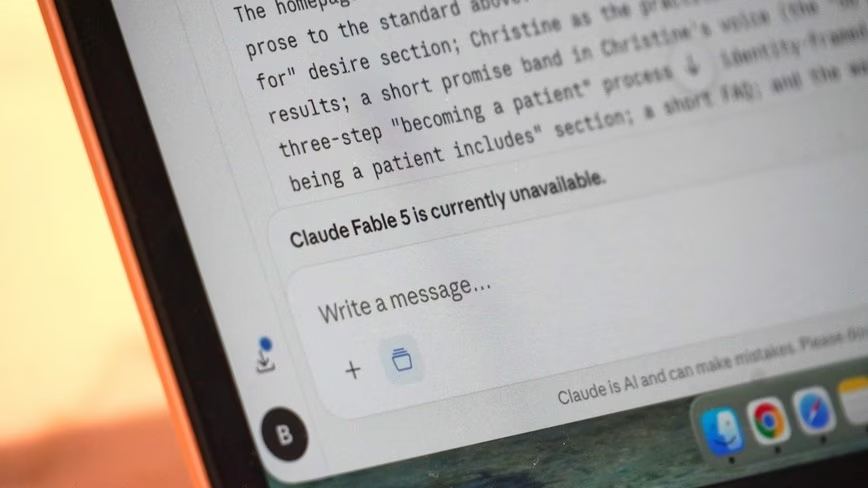
ChatGPT remains the largest standalone platform, but its overall market share is steadily shrinking. Competitors are capturing significant audiences, with US monthly active users for Meta AI, Claude, Grok and Perplexity growing by 435 percent, 349 percent, 117 percent and 94 percent respectively.
Not all established players are benefiting from this expansion, as Microsoft’s 365 Copilot and DeepSeek saw their US user bases fall by 31 percent and 23 percent respectively. Google is responding to the broader shift by burying AI directly into traditional search, surfacing AI overviews on nearly four in ten US queries.
This growth is increasingly being driven by older demographics moving into the mainstream. Users under 35 made up 61 percent of the audience in May 2024, but that figure fell to 50 percent by May 2026 as adoption accelerated among the over-45s.
Meanwhile, a younger cohort is actively resisting the trend and turning to AI-free alternatives. On the DuckDuckGo search engine, 18-to-24-year-olds now account for 33 percent of the user base, double their 16 percent representation across the wider web.
The clearest indicator of market maturation is the rapid introduction of advertising, with the share of ChatGPT conversations containing an ad jumping from 14 percent in May 2026 to 26 percent just one month later. Early buyers include Resume.io, Monday.com and Framer, though the click-through rate remains a slim 0.50 percent.
For European businesses and publishers, this shifting landscape presents a critical commercial challenge. While general news website traffic shrank by 5 percent over the year, AI referral traffic to news publishers exploded by 278 percent.
The mechanics of discovery are fundamentally changing, with the share of AI answers citing a web source rising more than fivefold to 6.8 percent. Users are two to four times more likely to visit a brand recommended by an AI model than a direct rival.
However, optimizing for this new traffic requires different strategies, as 58.8 percent of AI referrals land on homepages rather than the specific deep-linked pages cited by the chatbot. Most cited pages sit two or three folders deep, forcing companies to rethink their site architecture.
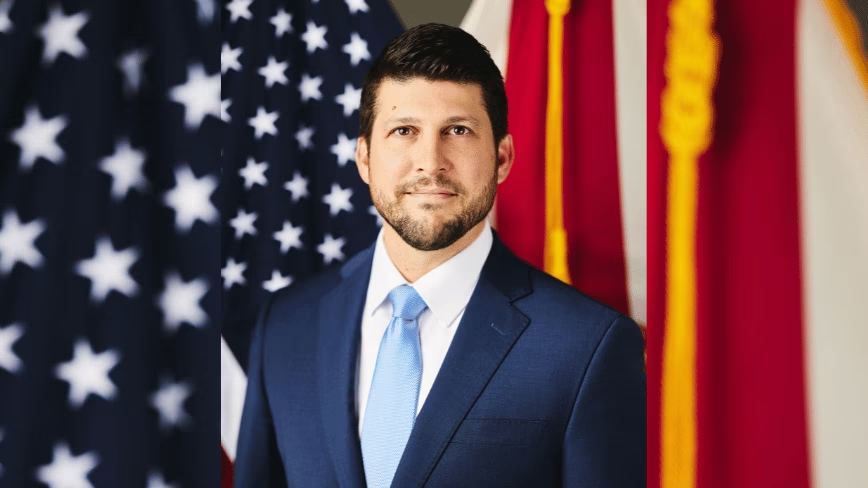
Baruch Toledano, an analyst at the research firm Similarweb, noted that “discovery is no longer tied to a single destination.” These estimates exclude API use and AI folded into other applications, but the underlying commercial trend remains unmistakable.