Chelsea fined £10m by FA over Abramovich-era transfer rule breaches
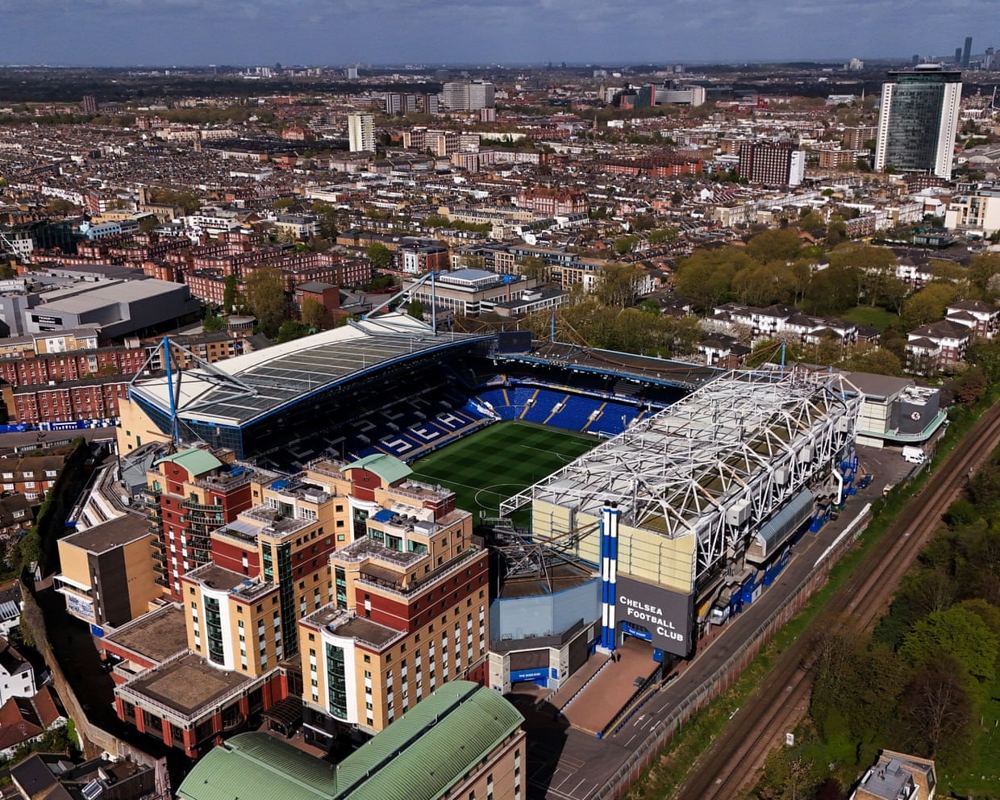
The Football Association's penalty, paired with a suspended transfer ban, closes the last regulatory file on years of off-book dealings at Stamford Bridge and raises uncomfortable questions about how English football polices itself.
Chelsea will pay a £10m fine and accept a suspended two-window ban on registering new players after the Football Association found the club used unlicensed agents and concealed the true nature of transfer dealings between 2009 and 2022. The offences, spanning the ownership of Roman Abramovich, were self-reported by the club's current owners when they took over Stamford Bridge in 2022.
Chelsea said it was "pleased to confirm that this brings all regulatory proceedings against the club to a close," ending a sequence of investigations that also involved the Premier League and Uefa. The FA confirmed the entire fine will be directed into grassroots football.
The breaches touched some of the club's most recognisable names. Transfers involving Samuel Eto'o, Eden Hazard and Willian were among those found to have violated FA rules. The case against Chelsea centred on tens of millions of pounds routed through offshore companies controlled by Abramovich, details of which surfaced through Cyprus Confidential, an investigation built on leaked records from Cypriot financial-services firms.
The independent commission's written reasons were scathing about the previous administration, describing its conduct as showing "a shameful and arrogant disregard for the rules of the game … which has done so much to bring the game of football in general, and the name of CFC into disrepute."
Yet the ruling also exposed tensions within English football's disciplinary architecture. The commission criticised the FA for failing to charge any individuals and for recommending that no sporting sanction be applied. It noted "particular concern" at aspects of the governing body's own case.
The original penalty had been a suspended six-point deduction, but Chelsea successfully appealed after submissions from both the Premier League and the FA argued against a sporting sanction. The appeal board concluded there was insufficient evidence that Chelsea had gained a tangible competitive advantage, replacing the points penalty with the transfer-window ban.
Stefan Borson, head of sport at law firm McCarthy Denning, described the episode as a demonstration of legal skill. "Chelsea's lawyers performed a masterclass in non-adversarial diplomacy with both the FA and the Premier League," he said. "Even where the FA's independent panel disagreed with the position presented by the FA and Chelsea, it still found a way to discount a 15-point deduction starting point down to a six-point suspended penalty. Ultimately, even that was appealed away, leaving Chelsea to pay a final meagre fine out of its retained escrow from Abramovich's proceeds."
The published rulings also disclosed for the first time that BlueCo, the consortium that acquired Chelsea, reached a multi-million-pound settlement with HM Revenue & Customs over transactions dating back to 2011. The appeal board's decision indicated the club repaid at least £1.35m, though the full figure was redacted.
For European football's regulators, the case underscores how opaque ownership structures and offshore payment channels can persist for more than a decade before surfacing. It also leaves an unresolved question: whether a system that levies a fine but charges no individuals is equipped to deter the next round of rule-breaking.