GM and Ford scale back EV rhetoric amid US policy shift
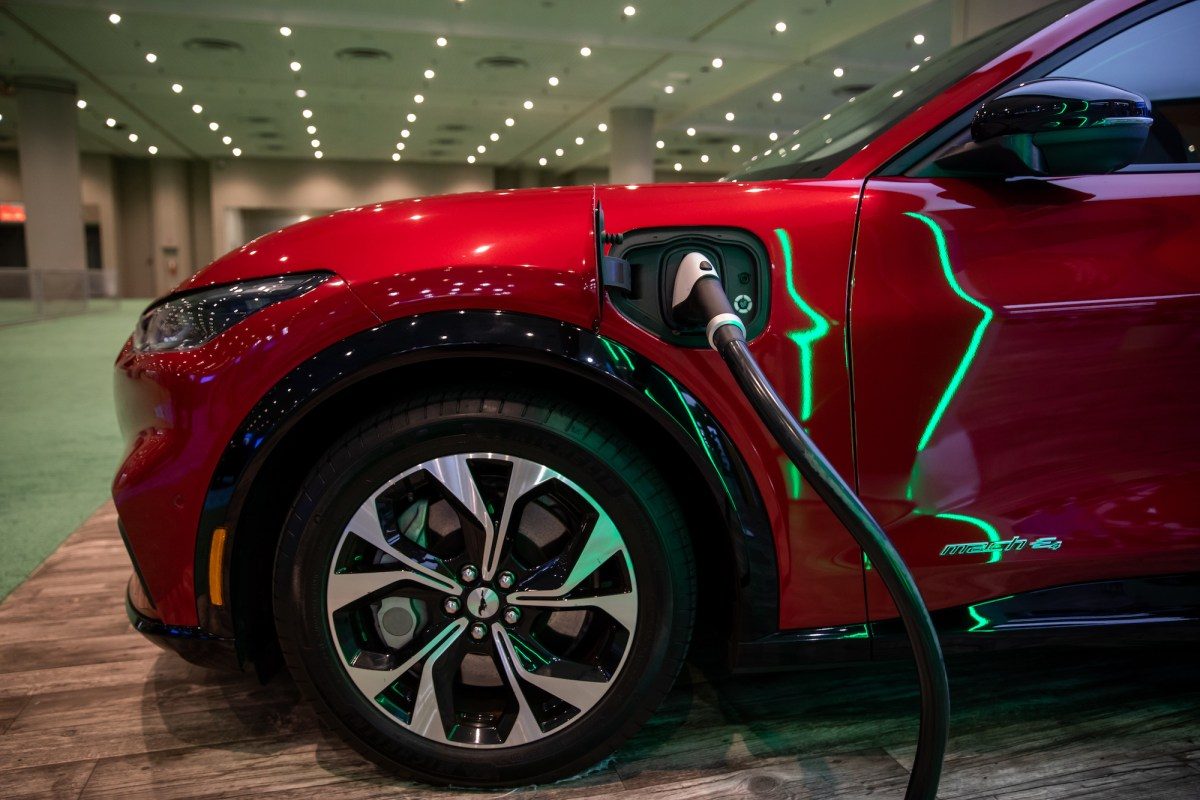
An analysis of earnings calls shows America's two largest automakers have sharply reduced their focus on electric vehicles, a retreat that signals trouble for transatlantic EV supply chains as Washington withdraws subsidies.
General Motors and Ford are dedicating a fraction of their quarterly earnings calls to electric vehicles compared to recent years. An analysis of transcripts dating back to 2019 found that both Detroit giants now mention EVs at a lower rate than they did before the pandemic.
The shift is stark. In late 2020, GM discussed electric vehicles more than 100 times per call, accounting for roughly a third of the entire discussion. By the second quarter of 2026, that figure had fallen to just 21 mentions. Ford followed a similar trajectory, peaking at about a third of its call content during the Biden era before significantly dialing back electric vehicle rhetoric in 2024.
This retreat tracks directly with changing political winds in Washington. The previous administration incentivized zero-emission vehicles through manufacturing credits, charging station funding, and a $7,500 federal tax credit. The current administration has eliminated that tax credit, slashed environmental regulations, and introduced protectionist tariffs that dominated recent earnings discussions.
The automakers maintain that their underlying strategies have not changed. GM spokesperson Jim Cain stated that “EVs are the end game,” pointing to growing market share and investments in new battery technologies. Ford spokesperson David Tovar highlighted the company’s planned “Universal Electric Vehicle” platform, set to launch next year.
For European industry, this American cooling has immediate implications. European automakers and battery suppliers banking on a synchronized transatlantic transition to electric mobility now face a fragmented market. If Detroit is slowing its electric rollout to prioritize higher-margin combustion engines and navigate new trade barriers, European component makers will likely feel the knock-on effects in their order books.
The dynamic is particularly complex for Stellantis. The automaker, which emerged in 2021 from the merger of France’s PSA Group and Fiat Chrysler, was excluded from the earnings call analysis partly because it traditionally lagged its American counterparts in EV adoption. As GM and Ford pivot back toward discussing gas trucks and regulatory headwinds, Stellantis faces the pressure of competing in a US market turning hostile to electrification while simultaneously meeting strict European emission targets.
Ford CEO Jim Farley recently told investors the company “will become a major scaled competitor as we invest in affordable, versatile EVs.” However, that timeline extends to next year at the earliest. Until then, the silence from Detroit speaks volumes about the real-world pace of the global electric transition.