Mudryk cleared to play as WADA threshold change voids doping case
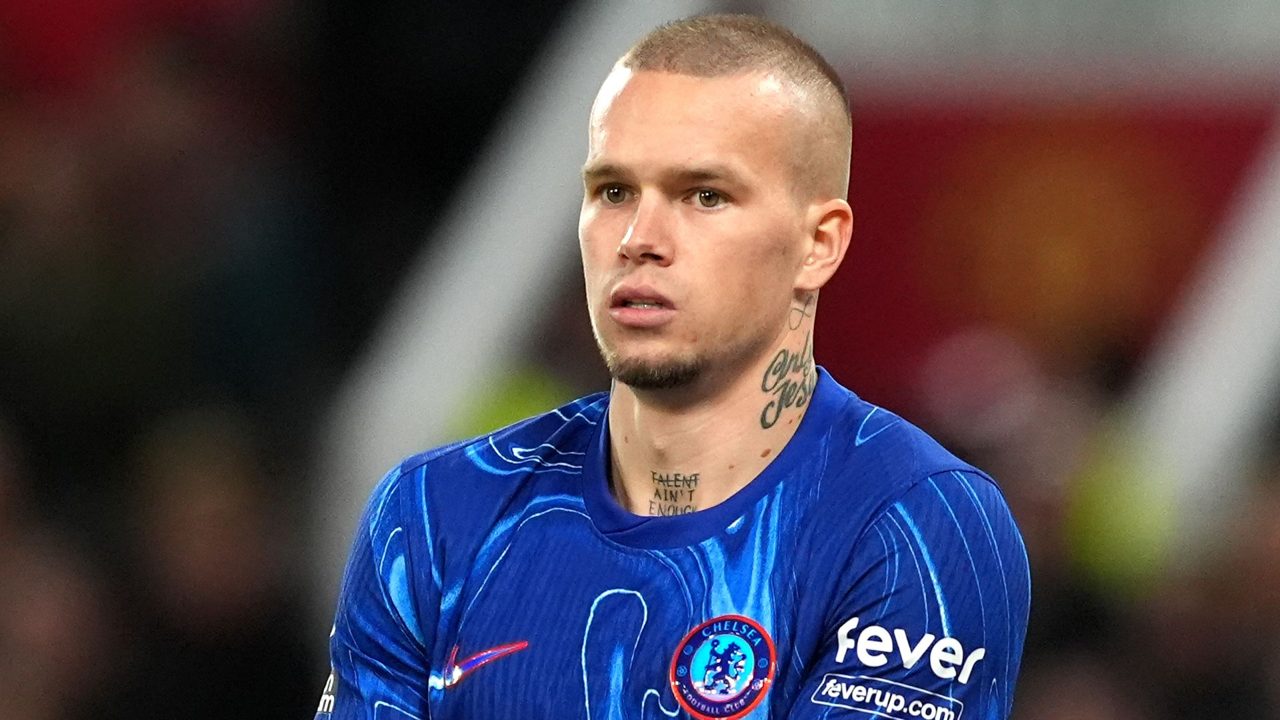
Chelsea's £88m winger Mykhailo Mudryk can return to football immediately after anti-doping authorities agreed that the scientific basis for his meldonium ban no longer holds.
Mykhailo Mudryk is free to play competitive football with immediate effect after the Football Association, WADA and the player reached a settlement that ends a doping case dating back to late 2024. The 25-year-old Chelsea winger had been serving a four-year ban after a test revealed a low concentration of meldonium, a prohibited heart medication, in his sample.
The resolution hinges on a change in World Anti-Doping Agency reporting procedures. Under the revised scientific thresholds, the same sample collected today would not have been flagged as a positive result and no anti-doping rule violation would have followed. The FA confirmed that point explicitly in its statement announcing the settlement.
Under the agreement, Mudryk accepted that the violations as originally charged had occurred, but his period of ineligibility was set equal to the time already served. He has not played since November 2024, meaning roughly 20 months of suspension will stand as the full sanction. His appeal to the Court of Arbitration for Sport is thereby withdrawn.
For Chelsea, the decision carries a clear financial dimension. The club paid £88m to Shakhtar Donetsk for Mudryk in January 2023, and he managed 73 appearances and nine goals before the suspension froze that investment. Chelsea said it would support his "reintegration into the squad" and help him "resume his career," language that signals the club views him as an asset to be recovered rather than written off.
Whether Mudryk features under manager Xabi Alonso this season remains uncertain. He has trained with personal coaches away from Chelsea's Cobham ground during the ban and was recently seen working in a London charity shop. The club retains the option of sending him on loan to rebuild match sharpness.
The case has wider implications for anti-doping governance in European sport. Mudryk had maintained throughout that his sample was contaminated during Ukraine international duty in Albania and Georgia in October 2024. The settlement does not formally vindicate that claim, but the FA's acknowledgment that today's standards would not have produced a charge gives it practical force.
Chelsea's own statement pressed that point, calling the shift in "scientific reporting standards for more reliable testing" an important part of the context. The club framed the outcome as allowing "everyone involved to move forward."
Mudryk described the two years away from the game as "the most difficult period of my career" and said he was "grateful" to return.
The precedent matters beyond one player. If WADA's updated thresholds effectively decriminalise trace-level meldonium findings going forward, governing bodies across European football and other sports may face pressure to revisit open or recently closed cases built on similar analytical ground. For clubs carrying nine-figure squad investments, that question is not merely sporting. It is a balance-sheet issue.