Ukrainian strikes destroy fifth of Russian e-commerce giant Wildberries
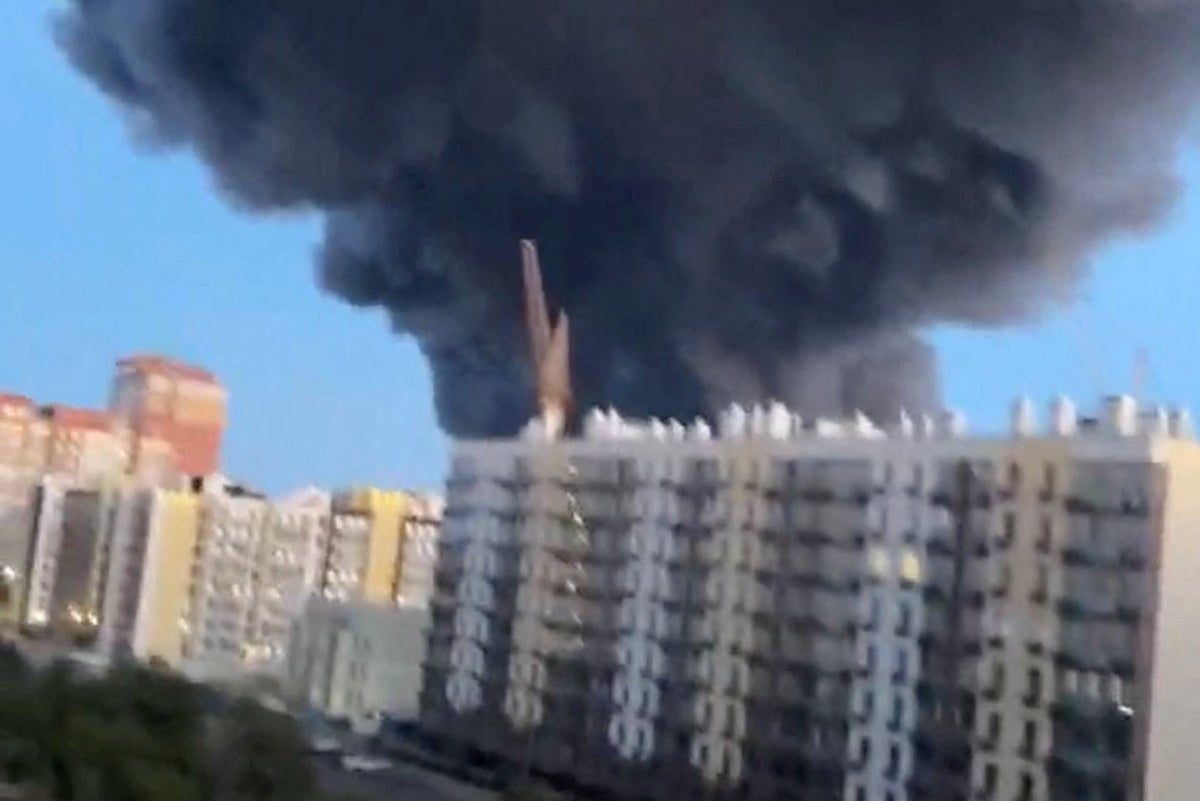
Sustained Ukrainian drone strikes against Russia’s largest online marketplace are destroying vital logistics infrastructure and threatening the financial stability of Moscow's wartime economy.
A major logistics hub operated by the Russian online retailer Wildberries in Yekaterinburg has become the latest target in Kyiv's three-week campaign of nocturnal drone attacks. Since July 18, aerial assaults have damaged at least 20 of the company's warehouses, igniting massive fires and fracturing supply chains across the country.
Analysis of satellite data reveals that fires and structural damage have compromised at least 1.18 million square metres of the company's storage facilities. This represents over a fifth of total capacity, with inventory lost in the Moscow and Tambov regions alone valued at up to $2.9 billion.
Frequently compared to Amazon, the marketplace serves as a foundational pillar of the domestic retail sector. Under the leadership of founder Tatyana Kim, the platform facilitates millions of independent merchants selling everything from household cosmetics to tactical equipment like ammunition pouches and night-vision goggles.
The physical degradation of these sites is now creating systemic risk for the broader financial sector. Denys Shtilerman, an executive at the Ukrainian defense manufacturer Fire Point, argued that the retailer is the nation's largest debtor and its failure could trigger cascading defaults at state-controlled lenders like VTB.
The macroeconomic implications of these disruptions are substantial, given that Wildberries and its rival Ozon generate activity equivalent to 8.5 per cent of national gross domestic product. Because the broader digital retail sector sustains approximately four million jobs, the ongoing destruction directly jeopardizes the livelihoods of more than five per cent of the workforce.
Moscow has a vested interest in preventing a corporate collapse, having acquired a five per cent equity stake in the business earlier this year. Government officials have conceded that a state bailout might be necessary to support the firm, which recently distributed a second round of emergency funds to nearly 100,000 merchants impacted by the blazes.
Ukrainian military planners justify the campaign by alleging the company's transport network actively facilitates military logistics, an accusation the Kremlin firmly rejects. Beyond tactical objectives, the strategy is designed to inflict domestic economic pain on ordinary citizens while the country battles a depreciating currency and accelerating inflation.
The severity of the domestic economic strain was highlighted recently when the central bank cut its benchmark interest rate to 14 per cent. Simultaneously, external pressure is intensifying after the US Senate advanced a sweeping new legislative package with an 86-12 procedural vote to penalize foreign buyers of Russian energy exports.