New UK PM Burnham urged to swap US dependence for European security ties
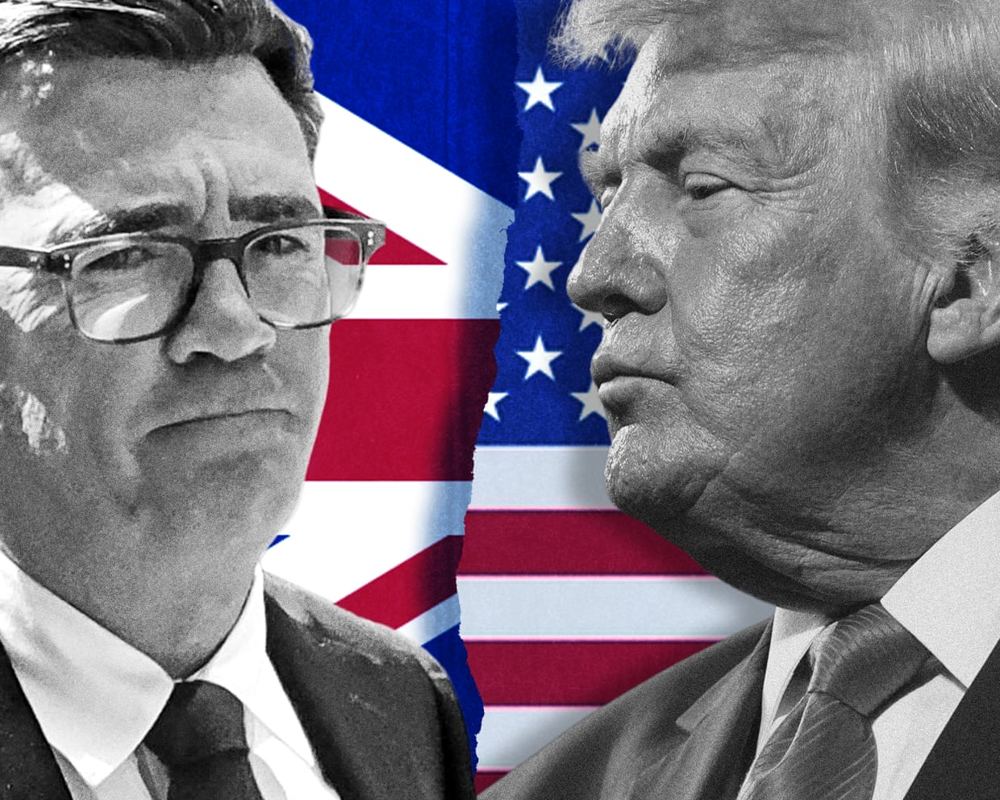
Andy Burnham's strong start as British prime minister faces a Trump-shaped threat, and a growing chorus is pressing him to answer it by anchoring Britain in Europe's fast-maturing defence architecture.
Andy Burnham is barely ten days into his tenure as British prime minister, and the early numbers are striking. One poll puts the jump in his net approval rating at 17 points, with gains across almost every voter category. Even a typically sceptical press has praised his relaxed manner and social-media agility.
Yet those around him know the good weather could end with a single decision made in Washington. His predecessor Keir Starmer watched the first green shoots of economic recovery flattened when Donald Trump joined Israel in striking Iran. The lesson for the new prime minister is blunt: domestic momentum counts for little if external shocks go unmanaged.
The question now circulating in London is how Burnham should handle Trump. Some advisers favour the Starmer method of flattery and avoidance; others insist only confrontation commands respect. Both strategies have been tried by various world leaders, and both have failed. Trump, observers note, operates on an attention span measured in seconds, shifting course without warning or logic.
Even senior US officials privately concede they have little sway over their own president. Britain's national security adviser, Jonathan Powell, is in regular contact with Trump's personal envoy Steve Witkoff, but access is not the same as influence.
Europe's security moment
A growing number of commentators argue that the real answer is not to manage Trump but to reduce exposure to him. That points squarely toward Europe. The EU's SAFE loan programme, worth €150bn, is funding joint defence procurement. Combined with the bloc's ongoing arming of Ukraine, the shift is unmistakable. Mark Leonard, director of the European Council on Foreign Relations, describes it plainly: "The EU is becoming a security community."
The economic logic reinforces the strategic one. Berlin has committed just 8 percent of its €80bn rearmament package to American-made weapons, channelling the rest into European industry. As the EU moves toward a "buy European" procurement model, the continent's defence-industrial base stands to benefit. Britain, outside the bloc, would not.
The case extends beyond military hardware. Mark Carney warned at Davos that economic interdependence has become a weapon, wielded by Washington through tariffs and by Beijing through rare-earth controls. For a mid-sized economy like Britain's, resilience lies in joining a bloc large enough to absorb those shocks, and that bloc is the EU.
Public opinion has moved
Perhaps the most significant development is not in Westminster but among British voters. A European Council on Foreign Relations survey in June found that three-quarters of Britons now want a closer relationship with the EU, and many describe Brexit as a "disaster." When forced to choose, 63 percent prioritised ties with Europe over those with the United States; only 19 percent chose the reverse. A plurality even backed the idea of a European army that includes British troops.
"The waters are much warmer than people realise," Leonard said.
For the rest of the continent, the significance is hard to overstate. Trump has mused about abandoning NATO and threatened to seize Greenland from fellow alliance member Denmark. His support for Ukraine against Russia has been inconsistent at best. A British government willing to re-engage with EU defence and economic structures would alter Europe's strategic calculus at precisely the moment Washington's commitments are most in doubt.
Burnham's stated governing philosophy is to confront problems his predecessors ducked. His first domestic priority is social care reform. Whether he extends that same candour to Britain's place in Europe will shape not just his premiership but the continent's security architecture for years to come.