Italy reintroduces Schengen border checks with Spain over Ceuta crisis
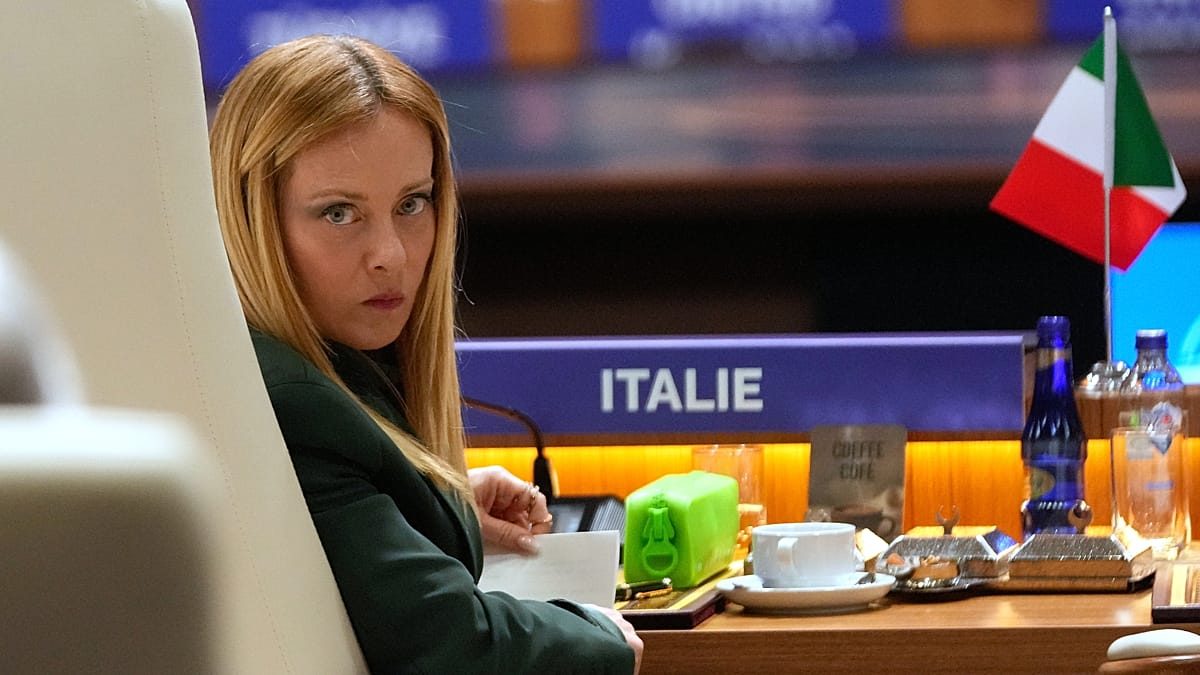
Rome has temporarily halted free movement for non-EU travellers arriving from Madrid following a mass migrant arrival in Ceuta, escalating diplomatic tensions and exposing deep rifts over European border management.
Italy has temporarily suspended the Schengen free movement regime with Spain, ordering targeted checks on non-EU travellers arriving from the country. The decision, formally approved by Interior Minister Matteo Piantedosi, follows the sudden arrival of thousands of migrants in the Spanish North African enclave of Ceuta.
While European citizens travelling between the two nations remain unaffected, the policy shift risks disrupting transit logistics and complicating travel across Southern Europe. The suspension also underscores how migration continues to dictate domestic political agendas, particularly as Italy navigates an election campaign ahead of next year's general vote.
Deputy Prime Minister Antonio Tajani defended the suspension as a "necessary choice to safeguard the security of our citizens and defend the European borders". He argued that the crisis proves border management is a shared responsibility, warning of a "threat of terrorism, which must be countered without hesitation".
Madrid responded with immediate diplomatic and political pushback. Prime Minister Pedro Sánchez argued that "solidarity and empathy are optional", but noted that "respect for European treaties and the facts is not", pointing to Frontex data showing Italy recorded more irregular entries than Spain between 2021 and 2026.
Foreign Minister José Manuel Albares summoned the Italian ambassador to Madrid to demand explanations for the border closures. Spanish officials maintain the Ceuta surge is unrelated to recent domestic regularisation policies, blaming criminal organisations for exploiting a Supreme Court ruling regarding migrants entering by swimming.
The diplomatic fallout has quickly spread across the continent. France announced it will strengthen controls along its land border with Spain, though President Emmanuel Macron simultaneously offered logistical support to help Madrid manage the emergency in the enclave.
Rome's hardline stance has garnered support from several member states, including Finland, the Netherlands, Denmark, the Czech Republic, and Sweden. Finnish Interior Minister Mari Rantanen publicly asserted that "Spain has completely failed to protect the external border of the Schengen area from incursions."
Despite the political friction, European Commissioner for Home Affairs Magnus Brunner sought to downplay immediate security threats to the wider bloc. He confirmed there are currently no movements towards mainland Europe and noted that the Schengen Borders Code already mandates checks on people departing from Ceuta and Melilla.