UK physics faces £160m funding cuts, threatening Jodrell Bank telescope
A £160 million reduction in UK physics funding threatens the iconic Jodrell Bank telescope and international research partnerships, signaling a broader shift toward commercially measurable science at the expense of fundamental discovery.
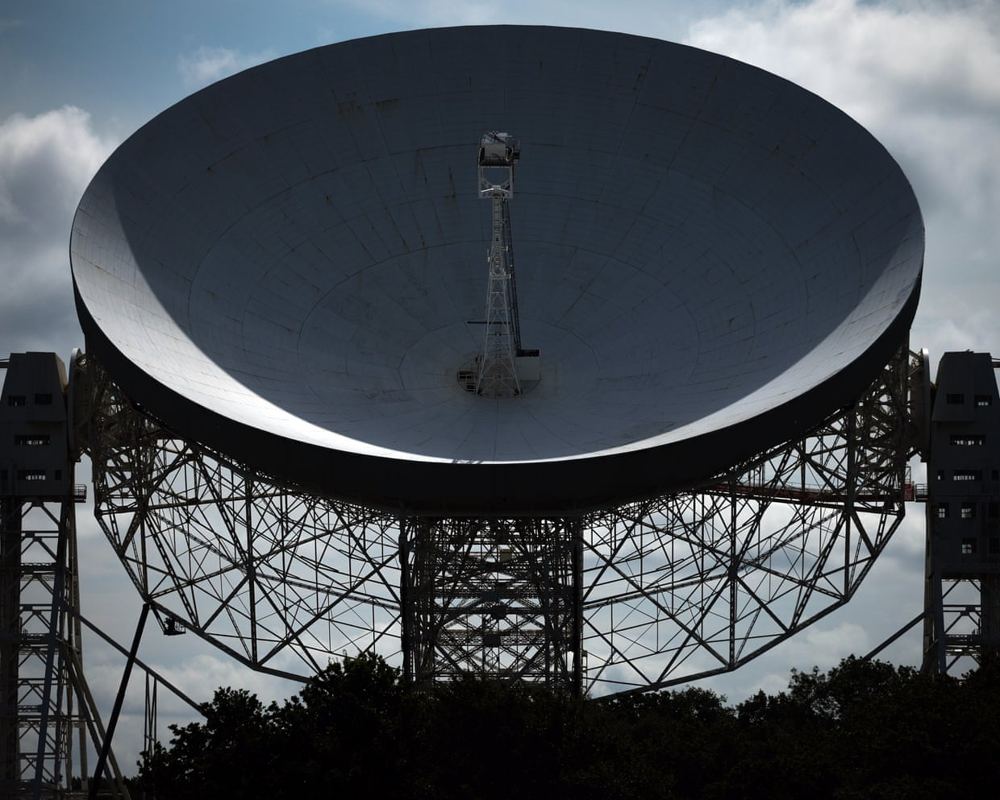
The historic Lovell telescope at Cheshire’s Jodrell Bank Observatory faces closure after March 2028 as government funding is set to end. The decision is part of a broader £160 million savings package over the next four years implemented by the Science and Technology Facilities Council.
The council, which distributes state funds for nuclear, astro, and particle physics, attributes the reductions to project cost overruns. However, the specific cut to the telescope will save just £2.8 million annually.
The reductions highlight a strategic pivot by UK Research and Innovation toward research that delivers measurable economic growth. This reallocation of capital threatens long-term fundamental research, including the nation's international collaborations with European telescope arrays and the Cern facility in Switzerland.
For European investors and technology markets, the shift signals that UK state capital is increasingly tied to immediate commercial returns rather than fundamental discovery. Operating massive, power-hungry scientific instruments has become vastly more expensive amid rising electricity costs, forcing difficult choices about long-term resource allocation.
UK Research and Innovation chief Ian Chapman recently described the scientific community's response to the reductions as hyperbolic. He argued that researchers merely feel that they have been cut, pointing out that overall physics funding has actually increased.
Scientists counter that axing valued, ongoing projects to achieve minor savings against a projected £10 billion budget by 2030 is highly damaging. Researchers warn these reductions could cause the country to lose a generation of scientists in a sector where it currently maintains a world-leading position.
The political landscape surrounding these science budgets has also shifted dramatically. The ministers who originally established these funding priorities, Liz Kendall and Patrick Vallance, have left office, while Andy Burnham has abolished the Department for Science, Innovation and Technology.
A debate continues over how to balance limited resources between commercial projects and fundamental research. Yet physicists maintain that abandoning foundational science risks undermining one of the few sectors where the UK remains globally competitive.