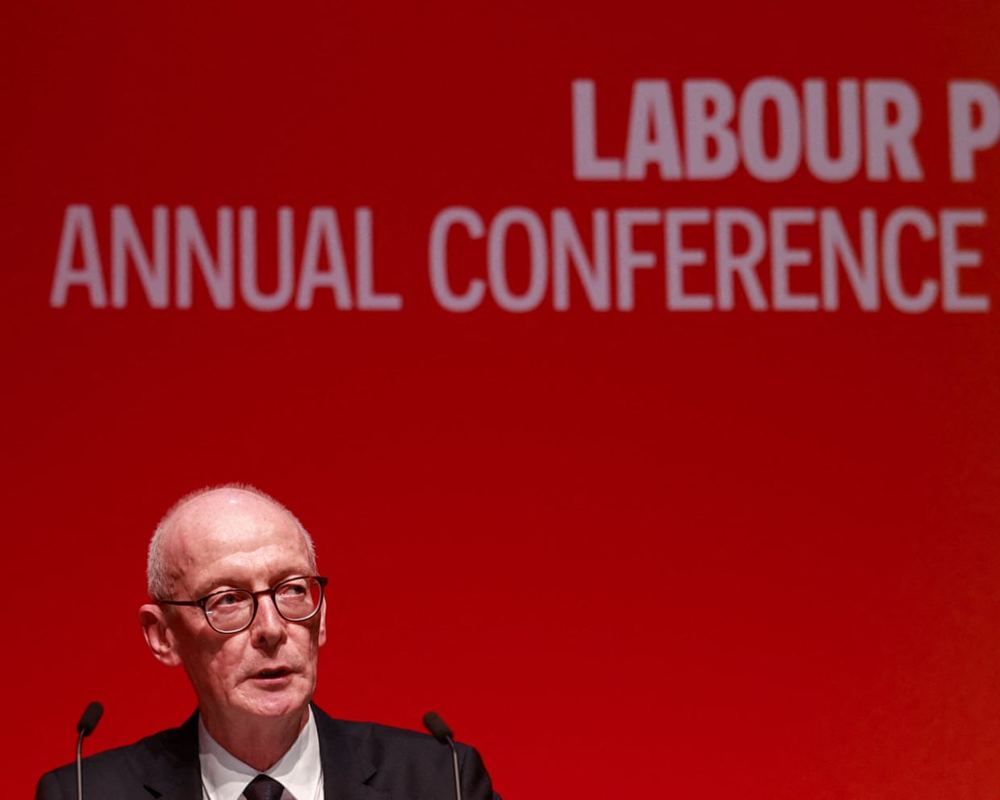
UK PM Burnham faces Labour revolt over North Sea drilling plans

British Prime Minister Andy Burnham is facing the first major revolt of his premiership over potential approvals for new North Sea fossil fuel projects, threatening both his government's unity and investor confidence in the UK's green industrial strategy.
British Prime Minister Andy Burnham faces the first significant rebellion of his premiership over his apparent willingness to approve new North Sea oil and gas drilling. Speaking in Sheffield, Burnham suggested a pragmatic approach, arguing that the core issue is not whether Britain uses fossil fuels, but where they are sourced.
This stance has provoked intense backlash within his own Labour party as the UK endures its worst drought since 1976 alongside severe heatwaves and wildfires. The timing coincides with a stark warning from UN secretary-general António Guterres, who cautioned that every new fossil fuel project makes future heatwaves more dangerous.
Labour MPs fear the political fallout could be severe, particularly the risk of losing climate-conscious voters to Zack Polanski’s Green party. Rachael Maskell, MP for York Central, urged the government to keep carbon in the ground, while Norwich South MP Clive Lewis warned that approving new fields would add the stain of the climate crisis to the party’s record.
Beyond domestic politics, the potential approval of the Jackdaw gasfield and Rosebank oilfield carries significant implications for European markets and green investment. Influential economists argue that increased domestic drilling will not lower British energy bills, as the extracted resources will simply be sold to the highest bidder on international markets.
Mariana Mazzucato, a key influence on Burnham’s economic thinking, warned that proceeding with the projects would undermine the credibility of the UK’s green industrial strategy. She noted that coherent policy signals are essential to maintain investor confidence in Labour’s manifesto mission to build a clean energy superpower.
Nicholas Stern echoed this sentiment, dismissing arguments that domestic production carries a lower carbon footprint than imports and warning it sends a dangerous signal globally. Daniela Gabor, an economics professor at SOAS, criticized the government for caving to the fossil fuel lobby during a period of intense climate volatility.
The projects are already in the planning system, which could allow ministers to bypass Labour’s manifesto pledge to halt new licensing. To avoid a parliamentary revolt, Burnham is expected to make a final administrative decision after consultations conclude in mid-August, rather than forcing a vote.
However, the issue will remain highly sensitive leading up to Chancellor John Healey’s budget on 28 October, which promises fiscal discipline. Some backbenchers are willing to accept these specific fields as a compromise, provided the government draws a firm line against any future licenses and recommits to urgent decarbonisation.