Portland dining sector builds resilient model on local supply chains
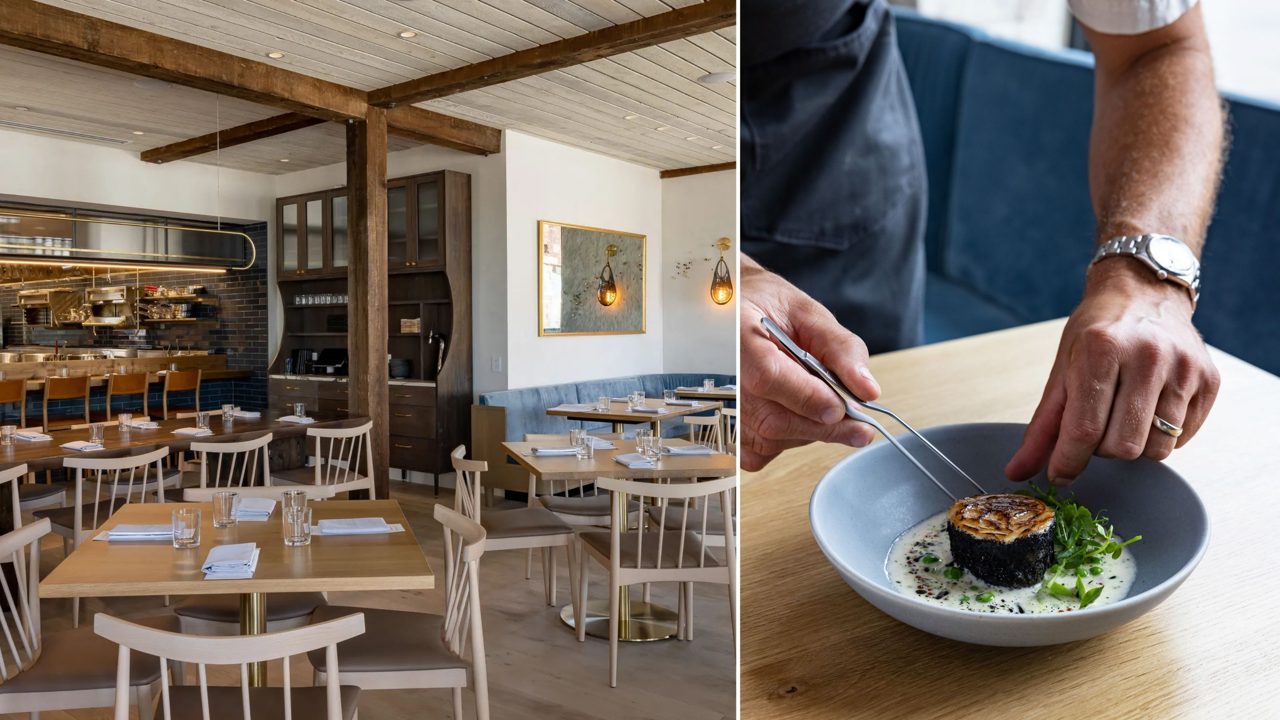
Maine’s restaurant industry relies on independent farms and working waterfronts, demonstrating how localized procurement can sustain high-margin hospitality concepts.
Portland, Maine, has developed a highly resilient hospitality sector anchored by a tightly integrated local supply chain of small farms and working waterfronts. Rather than relying on global imports or high-concept culinary trends, the city’s independent restaurants have built a sustainable economic model centered on regional ingredients.
This localized procurement strategy predates modern industry trends, creating a robust domestic market for regional produce and seafood. The economic foundation relies on direct networks between chefs and local producers, including indigenous agricultural groups in Caribou and specialized livestock suppliers in Western Maine.
For European hospitality operators and investors, the Portland model demonstrates the commercial viability of scaling independent, ingredient-driven concepts. Establishments have successfully expanded from specialized micro-bakeries into multi-course dining venues, proving that meticulous, from-scratch production can drive broader and more profitable revenue streams.
The city’s culinary market was initially catalyzed in the 1990s by restaurateurs who established a template for accessible, inventive cooking. This early market maturity has since attracted international talent, including chefs with backgrounds in Michelin-starred kitchens, who integrate fine-dining techniques with strict local sourcing mandates.
Operations across the city illustrate the financial premium placed on hyper-local supply chains. By utilizing specific regional assets like native brook trout and locally harvested mussels, restaurants command higher price points. This strict adherence to local sourcing effectively insulates their daily operations from broader global supply chain volatility.
Furthermore, the local market supports diverse international concepts that adapt seamlessly to regional supply constraints. Japanese izakayas and neighborhood Italian venues utilize regional grains and daily dock catches. This demonstrates that specialized international menus can be profitably sustained without relying on imported ingredients, provided the local procurement network is robust.
The economic impact extends to specialized food production, with venues operating meticulous micro-bakeries and utilizing wood-fired grills for diverse menu applications. This commitment to in-house production creates a distinct market position that justifies premium pricing for multi-course dining experiences, driving higher overall revenue per customer.