UEFA boycott threat leaves Infantino isolated over World Cup privatisation
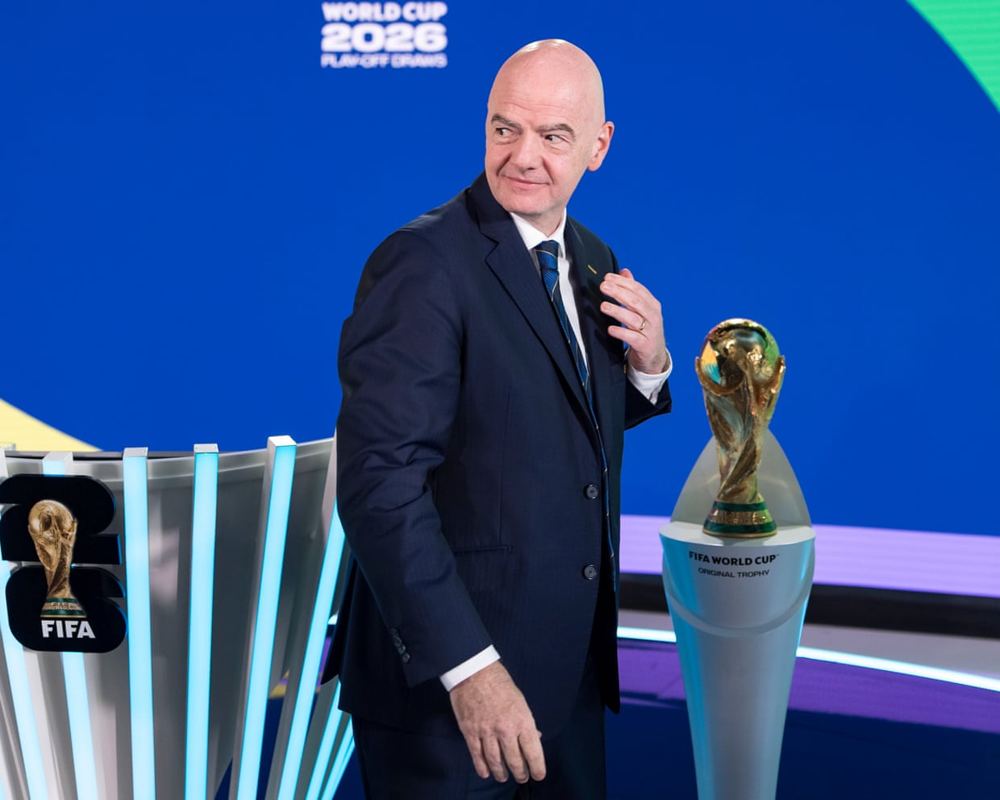
FIFA president Gianni Infantino is facing a collapse of support after UEFA threatened a tournament boycott and his own chief operating officer accused him of deception over a plan to sell World Cup stakes to private investors, threatening the governance of football's most lucrative asset.
FIFA president Gianni Infantino is facing an unprecedented internal revolt over his plan to sell stakes in the World Cup to private investors. The crisis deepened sharply after UEFA’s 55 members unanimously threatened to boycott FIFA competitions, a senior adviser resigned, and the organisation’s own chief operating officer publicly accused Infantino of deception.
The proposed FIFA Forward Enterprise (FFE) plan represents a fundamental shift in the ownership of football’s most lucrative commercial asset. Infantino’s attempt to bypass the sport’s established stakeholders in favour of private capital has triggered a severe corporate governance crisis that extends well beyond the pitch.
Kevin Lamour, FIFA’s chief operating officer and a long-time associate of Infantino, delivered a devastating assessment of the privatisation push. “To put it very clearly and directly: the project that has sparked so much controversy and debate is not a Fifa project,” Lamour stated. “It is the project of one person.”
Lamour accused the president of a “lie by omission over many months” that left FIFA’s own administration deceived. He warned that this unilateral exercise of power showed “a lack of trust, a lack of transparency, a lack of discernment, a lack of good governance. And a serious lack of respect.”
The internal fracture was compounded by the resignation of Carlos Cordeiro, a senior adviser since 2021. Cordeiro called the proposal “a bad deal for Fifa’s member associations, a bad deal for football, and a bad deal for the long-term future of the game”. He noted that FIFA sits on “vast debt-free reserves” and asked: “Why this deal? Why now? What oversight exists? Who benefits?”
Opposition to the scheme is now effectively global. The Asian Football Confederation backed UEFA and Concacaf in demanding the plan be scrapped, warning that the prospect of a World Cup boycott “should concern everyone who cares about the future of our game”. The confederation called for an urgent review of FIFA’s decision-making framework.
For European football, the dispute is as much about economic control as sporting integrity. European leagues and clubs generate the bulk of the sport’s global revenues, and ceding World Cup commercial rights to external investors without consultation threatens the financial ecosystem they dominate.
UEFA is currently playing a waiting game, having secured a united front against the FFE. FIFA has blamed media reporting for the backlash and is lobbying federations to accept the project ahead of a 19 September deadline. While an extraordinary congress could technically be convened if 43 countries request a vote of confidence, the immediate priority is killing the privatisation plan.
Behind the scenes, the political groundwork is being laid for next year’s FIFA election. Infantino had been expected to secure a fourth term comfortably, but UEFA and other confederations are actively seeking alternative candidates. Potential challengers include Concacaf president Victor Montagliani and AFC president Sheikh Salman bin Ebrahim al-Khalifa.
Concerns over FIFA’s direction were further fuelled by revelations that the body has opened a rushed tender for research into expanding the World Cup to 64 teams. For investors and commercial partners, the unfolding saga signals deep instability at the top of an organisation that controls billions in global broadcasting and sponsorship rights.